查找 B2B 毛织产品、买家指南、市场页面、工厂能力和 FAQ 答案。
30 条结果匹配 "QC".
暂无匹配产品。
Every first knitwear order has two routes, and factories rarely publish the second one. From a tech pack a sample takes about 15-25 days; from a style that already exists, about 7. The minimum, the bulk lead time, the labelling and the QC route are identical either way. What changes is where the first physical garment comes from - and what you give up by not starting from a blank sheet.
资源Synthetic yarns get a bad rap in editorial coverage and a quiet pass in the buying office, because the math on a 100,000-piece holiday sweater program rarely pencils in pure wool. This briefing is the version of the conversation you wish your mill would have with you: where acrylic genuinely earns its place (mass-market price points, vivid color, no-fuss care), where it quietly torpedoes a premium brand (hand, breathability, returns from in-store touch tests), and how nylon micro-percentages do real structural work in athletic ribs and high-abrasion zones. We cover the three blend ratios you will see quoted most often, the field-tip hand-feel checks your QC team can do without a lab, and the FOB yarn-price reality that drives most of these decisions in the first place.
资源大多数 AW 针织复盘都开在错误的会议室。财务问为何到岸成本涨了 4%;商品部问米色开衫为何没赶上 9 月初的陈列;QC 问那款大量套口的款式为何退货飙升。每个部门只得到一部分答案,供应商被礼貌性敲打,而同样的三个错误明年照旧出现。本文不一样。它是匿名组合模式,源自我们与中端品牌共同走过的 2025 AW 真实上新——没有具体品牌、没有真名、没有臆造数字。重点是决策的形态,而非具体公司。我们会讲三个有回报的决定:在技术包交付前 4 周锁定纱线库、在装柜前进行工厂 AQL-2.5 验货、为次要 SKU 使用 DDP 条款以减轻薄弱进口团队的压力。我们也会讲三个出错的决定:打样进行三周后新增一个新色、对新色口头同意 MOQ 弹性,以及为了节省几分钱套口费用反而在零售端造成退货问题。规律一目了然但并不光鲜:日历前段的品牌纪律 + 清晰商务条款 + 早期 QC,几乎总是优于事后的小聪明优化。请把本文作为你 2026 AW brief 的检查清单。
资源Pilling is the single most common consumer complaint a QC lead hears about knitwear, and most of the root causes are locked in long before bulk knitting starts. This guide breaks down what pilling actually is — short fibres migrating to the garment surface and tangling under friction — and walks through the levers that decide whether a sweater shrugs off abrasion or balls up after three wears. We cover fibre length and yarn twist at the spinning stage, mill processes such as combing and gas singeing, finishing options including anti-pill chemistry and brushing direction, and the practical Martindale and ICI pillbox tests buyers can specify at the sample stage. Written for QC leads tired of post-sale returns, it is a buying and approval guide, not a marketing pitch.
资源Most sourcing managers get a one-line FOB number from a knitwear factory and have no idea whether the 12.40 USD they are looking at is fair, padded, or hiding a problem that will surface at production. This briefing decomposes a representative 11-14 USD FOB mid-weight men's sweater quote into the cost components factories actually use internally: yarn (usually the largest single bucket at 35-50 percent), knitting machine time, linking labor, dyeing and finishing, trims and branding, QC, factory margin, and commercial overhead. We show ranges rather than false-precision numbers, because the real shape of the cost stack shifts with gauge, fiber, and order size. A 3GG chunky cardigan and a 14GG fine merino crew look like the same product category on paper but have inverted cost structures — one is yarn-heavy and machine-light, the other is the opposite. Knowing which line is fat and which is bone is what separates buyers who negotiate effectively from buyers who chase a five-cent reduction in the wrong place and lose a season to a panicked corner-cut. The article ends with a practical list of RFQ questions that force a supplier to reveal the assumptions inside their quote without demanding their full cost sheet, which no factory will share anyway.
资源Most small and mid-size brands have the same moment of confusion: you pay around 12 dollars for a development sample, then the bulk quote at 500 pieces comes back at around 7 dollars FOB. Your first instinct is suspicion — either the sample was padded or the bulk number is too good to be true. Usually it is neither. Knitwear is unusual among apparel categories because so many of the costs that drive a unit price are one-time setup costs: a yarn dye lot, machine programming, linking calibration, finishing line setup, QC time. When those costs are spread across one piece, you get the sample price. When they are spread across 500, you get the bulk price. This briefing walks through the cost stack honestly. You will see which line items are genuinely fixed, which scale with volume, where the realistic bulk-to-sample ratio sits (55-65 percent for the same SKU), what it means when the gap is wider or narrower than that, and how to negotiate sample charges down without bullying your factory into a number that will haunt the bulk PO. The goal is not to win the sample line — it is to read it correctly so you know what your true landed cost will be and whether the supplier is being straight with you.
资源Shrinkage is the single most common reason a measurement-spec sweater fails inspection at final QC — and the failure almost always traces back to the sample stage, not the bulk run. Wool felts when scales lock together under moisture, heat, and agitation. Cotton swells in water and contracts as it dries, especially in heavier gauges where yarn tension is high. Both behaviors are predictable, both are controllable in production, and both need to be written into the purchase order before bulk knitting starts. This guide walks a QC lead through the physics of shrinkage in wool and cotton knit structures, the production controls Licheng applies at yarn, panel, and finished-garment stages, the tolerance ranges buyers typically write into POs (commonly 1-3%), and the language to use on the PP sample approval form so bulk shrinkage liability is unambiguous.
资源避免大货颜色偏差。一份关于针织色样确认的实操指南——从潘通色卡参考、到 Lab Dip 打色、再到一致的大货——涵盖同色异谱、染缸色差容差、色牢度,以及如何签封颜色让到货毛衣与样品一致。
资源德国仍是欧洲针织采购最为严谨的市场之一。德国买家对规格执行、交期可控、文件齐整以及能在长秋冬销售季中持续表现的纱线品质都有很高的要求。本文从我们作为东莞定制针织品制造商、长期服务德国男装与生活方式品牌的视角写成,涵盖:推动其采购日历的关键节点、打样与大货交期的实际落点、中型德国品牌可规划的起订量、面向 DACH 市场最常用的针型与纱线、品质管控与合规文件的常规结构,以及在 FOB 中国条款下物流、付款与 Incoterms 的常见谈判方式。目标是为采购经理提供一份可在下一次供应商评审中直接使用的工作参考。
资源Between the linking machine and the polybag, a knitted garment goes through five to seven distinct finishing operations. Each one changes the garment in a different way: dimensions, hand, surface, pilling resistance, recovery. When a product developer pulls a sample from the carton and says it 'doesn't feel right,' the fault almost always sits in finishing — not in yarn, not in knitting. This article walks through the finishing line as we run it in Dongguan: what steaming, pressing, brushing, anti-pill treatment, and softener application each do, what they cost, where they go wrong, and what you should and should not specify on a tech pack. The goal is to give a product developer enough vocabulary to look at a sample and point to the step that needs to change, rather than asking the factory to 'make it softer' and hoping.
暂无匹配市场。
我们的贴牌针织支持能力,帮助买家打造自有品牌的毛衣、开衫和针织外套系列,涵盖标签、包装以及可复用的采购细节。工作重心在于实用的 B2B 开发决策,而非零售式视觉呈现,将产品方向、面料选择、样衣审核、量产可行性与可出口品控有机串联。买家可通过本页了解需要准备哪些资料、哪些技术决策会影响成本与交期,以及 Licheng Knitwear 如何将初步采购需求转化为可打样或可量产的方案。
能力我们的纱线与面料支持能力,帮助客户在成本、手感、季节、耐用性及目标零售定位之间挑选合适的纱线成分。工作聚焦于实际的 B2B 开发决策,而非零售式视觉呈现,将产品方向、面料选择、样品评审、生产可行性与出口级品控串联起来。客户可通过本页了解需准备哪些资料、哪些技术决策会影响成本与交期,以及 Licheng Knitwear 如何将初步采购需求转化为可打样或可投产的方案。
能力我们的针型选项能力,帮助客户在粗针质感、中针商业款毛衣与细针高端针织之间做出决定。工作聚焦于实际的 B2B 开发决策,而非零售式视觉呈现,将产品方向、面料选择、样品评审、生产可行性与出口级品控串联起来。客户可通过本页了解需准备哪些资料、哪些技术决策会影响成本与交期,以及 Licheng Knitwear 如何将初步采购需求转化为可打样或可投产的方案。
能力我们的提花与嵌花针织能力,帮助客户开发图案毛衣、北欧花纹、无 logo 的季节性图案以及拼色针织。工作聚焦于实际的 B2B 开发决策,而非零售式视觉呈现,将产品方向、面料选择、样品评审、生产可行性与出口级品控串联起来。客户可通过本页了解需准备哪些资料、哪些技术决策会影响成本与交期,以及 Licheng Knitwear 如何将初步采购需求转化为可打样或可投产的方案。
能力我们的返单计划帮助回头客在已验证的款式上跳过打样环节,将返单的交期从标准 45 天缩短至约 30 天。首单大货发出后,我们将批准的纱线在买家名下保留 90 天,按原 PO 锁定单价,并保留已批准的 tech pack 与放码版型随时复用。返单可完全跳过 lab dip 与样品修改环节,直接进入大货生产,这正是节省时间的关键所在。本计划专为零售档期紧凑的买家与在两次上新之间补库存的 DTC 品牌设计。
能力我们的针织品质管控能力,帮助客户减少尺寸波动、起球风险、色差、辅料问题与最终包装问题。工作聚焦于实际的 B2B 开发决策,而非零售式视觉呈现,将产品方向、面料选择、样品评审、生产可行性与出口级品控串联起来。客户可通过本页了解需准备哪些资料、哪些技术决策会影响成本与交期,以及 Licheng Knitwear 如何将初步采购需求转化为可打样或可投产的方案。
能力我们的环保纱线与包装方案能力,帮助买家探索再生纱线方向、有机棉沟通、低废包装与谨慎的文件审核。工作重心在于实用的 B2B 开发决策,而非零售式视觉呈现,将产品方向、面料选择、样衣审核、量产可行性与可出口品控有机串联。买家可通过本页了解需要准备哪些资料、哪些技术决策会影响成本与交期,以及 Licheng Knitwear 如何将初步采购需求转化为可打样或可量产的方案。
能力我们的毛衣成本规划支持能力,帮助买家评估纱线、针型、单件克重、图案、辅料、数量与包装如何影响报价方向。工作重心在于实用的 B2B 开发决策,而非零售式视觉呈现,将产品方向、面料选择、样衣审核、量产可行性与可出口品控有机串联。买家可通过本页了解需要准备哪些资料、哪些技术决策会影响成本与交期,以及 Licheng Knitwear 如何将初步采购需求转化为可打样或可量产的方案。
能力我们的针织开发设计支持能力,帮助仅有灵感板、参考图、不完整规格或趋势方向的买家,获得可量产的针织方案。工作重心在于实用的 B2B 开发决策,而非零售式视觉呈现,将产品方向、面料选择、样衣审核、量产可行性与可出口品控有机串联。买家可通过本页了解需要准备哪些资料、哪些技术决策会影响成本与交期,以及 Licheng Knitwear 如何将初步采购需求转化为可打样或可量产的方案。
能力我们的样衣修改流程能力,帮助买家管理首样意见、版型调整、纱线变更、颜色微调与产前确认。工作重心在于实用的 B2B 开发决策,而非零售式视觉呈现,将产品方向、面料选择、样衣审核、量产可行性与可出口品控有机串联。买家可通过本页了解需要准备哪些资料、哪些技术决策会影响成本与交期,以及 Licheng Knitwear 如何将初步采购需求转化为可打样或可量产的方案。
Typical checks include measurements, workmanship, knitting defects, color, labeling, packing and final inspection.
FAQCommon checks include measurements, workmanship, finishing, surface cleanliness, label placement, packing and carton condition. Buyer-specific standards should be shared before bulk production.
FAQYes. ODM and OEM projects both need measurement, workmanship, finishing and packing standards. The development route does not replace quality control.
FAQYes - we welcome third-party QC (e.g. AQL inspection before shipment) and provide access for inspectors. We also run our own multi-step QC.
FAQRequire two documents on every shipment: a mill spec sheet from the spinner stating fiber origin, average fiber length, and average fiber diameter; and an independent third-party test report from Intertek, SGS, Bureau Veritas or equivalent covering fiber content and average fiber diameter (micron). Tests should reference your PO number. Pull retention samples at incoming QC and weigh them against tech-pack target weight. For ongoing programs, occasionally send a retention sample to a different lab than the supplier uses. The cost of testing per shipment is small compared to the cost of a returns wave from sub-grade goods reaching customers.
FAQDye-lot mismatch is the most commonly missed at final inspection because factory lighting often hides shade variation that becomes obvious under daylight or D65 store lighting. A light box check at final QC and a written one-lot-per-garment rule from the start of the PO are the two cheapest controls. Linking inconsistency is the second most missed, because it can pass a visual check at final but fail after the consumer's first wash.
FAQNo. It is 50 pieces per colour, with sizes mixed inside the 50, on either route. Bulk lead time, labelling and the QC route are also the same.
FAQYes, openly. Capable factories prefer it because it gives them a concrete target to hit and a fair comparison. The ones who get defensive when they hear there will be paired QC are the ones you most need to know about early. Framing it as "we have a reference garment and we will compare side by side" is normal commercial language; it is not adversarial. The only thing you should not share is the incumbent's pricing — that turns a quality validation into a price war and you lose the signal.
FAQFor most commercial knit programs, 25-30% recycled content blended with virgin or natural fiber holds hand-feel close to the reference swatch and keeps pilling resistance in normal range. At 50%, you start seeing more surface fuzz after wash and slightly reduced dye depth on darker shades — manageable, but it needs tighter QC and the design team should approve the actual blend swatch, not the virgin reference. Above 70%, hand-feel becomes a design choice rather than a compromise. Chemically recycled polyester is the exception and can run at higher percentages without the hand penalty, at a meaningful price premium.
FAQIn our typical industry range, yes — about 10–20% more for the same garment, mostly from yarn cost, longer knit time and tighter QC. The exception is when 12GG is built in a very premium yarn (extra-fine merino, silk blend) and 14GG is built in standard mercerised cotton; in that case yarn cost can dominate and flip the comparison.
Share design ideas, tech packs, product photos, target prices, material preferences or quantity plans. We will review the details and suggest the next development path.
Send Inquiry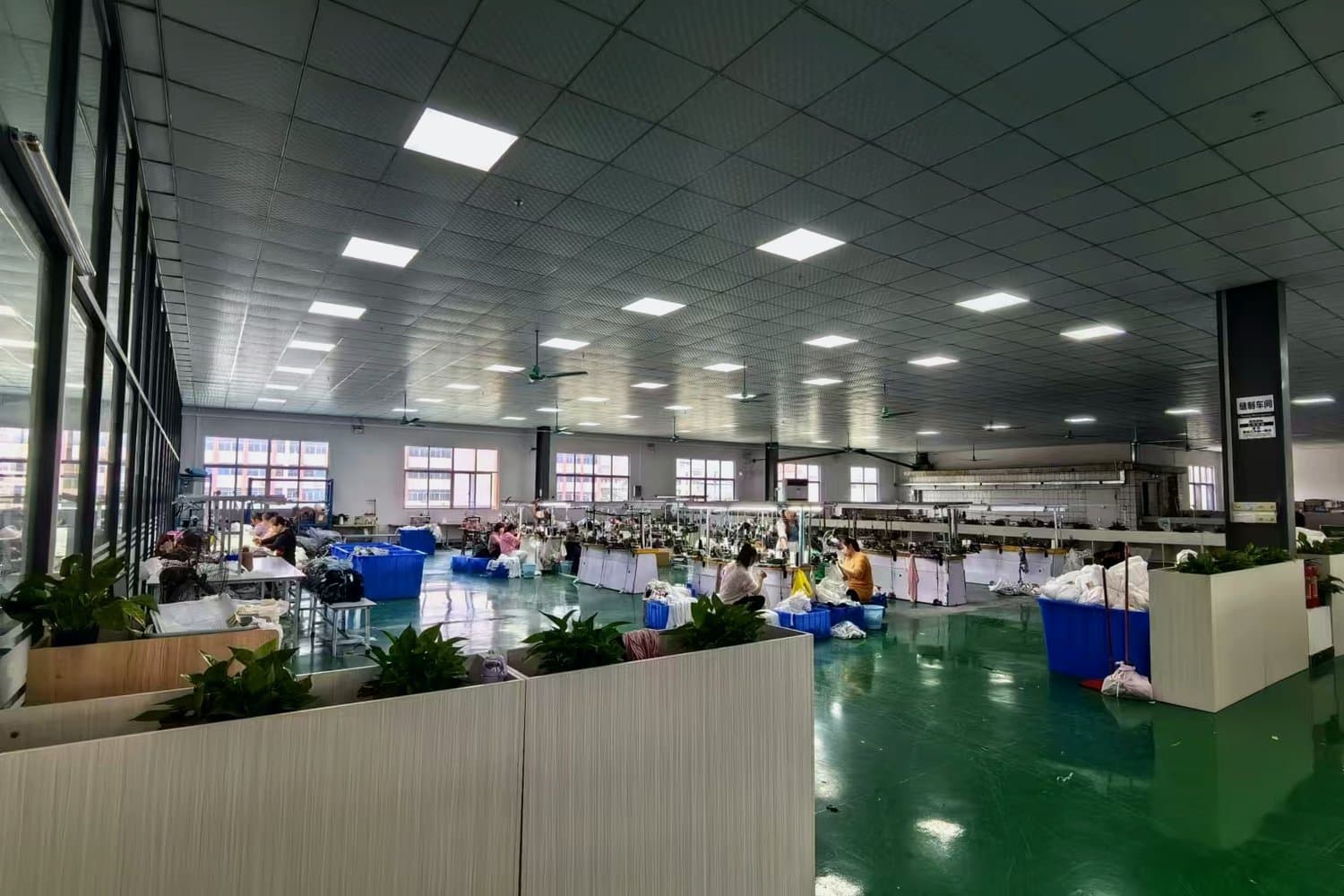
涵盖北美与欧洲常见 OEM/ODM 针织项目的 MOQ、交期、成本区间、针型选择与品控检查点。留下邮箱,30 秒内发送报告链接。
不发垃圾邮件。回复一封即可退订。邮箱仅用于向您发送报告,并在您需要时继续采购沟通。
此处展示的品牌为我们此前服务过的 OEM/ODM 合作方。标识仅作展示,不代表当前的背书关系。