The unit price is only part of landed cost. How your knitwear ships, by sea, air or courier, and how it is packed and documented can change your total cost and lead time as much as the production quote itself. This guide helps B2B buyers understand knitwear shipping and logistics so the final leg of the journey does not derail a launch.
Production ends at the factory door. Your launch depends on everything that happens after it, and that is logistics.
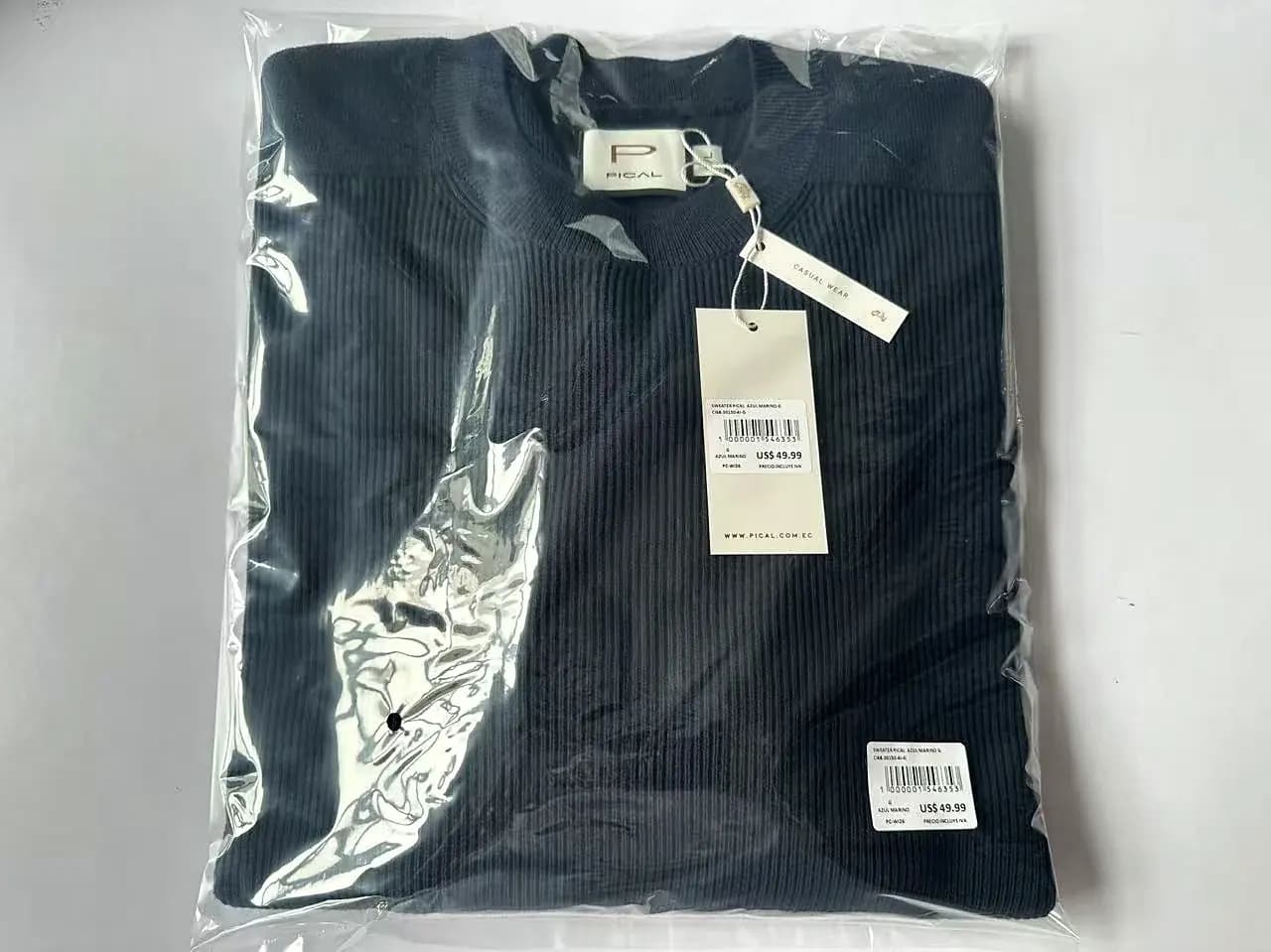
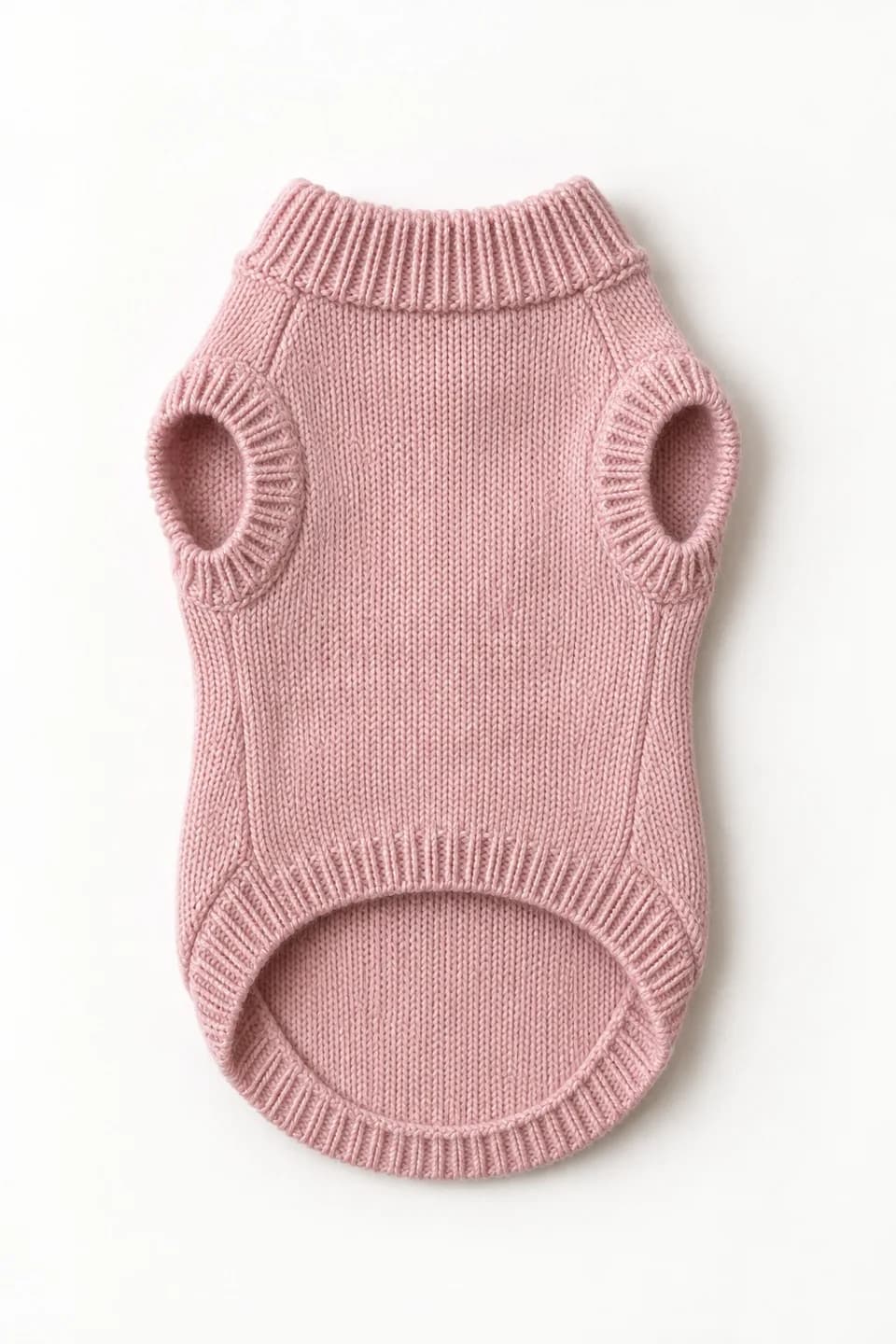
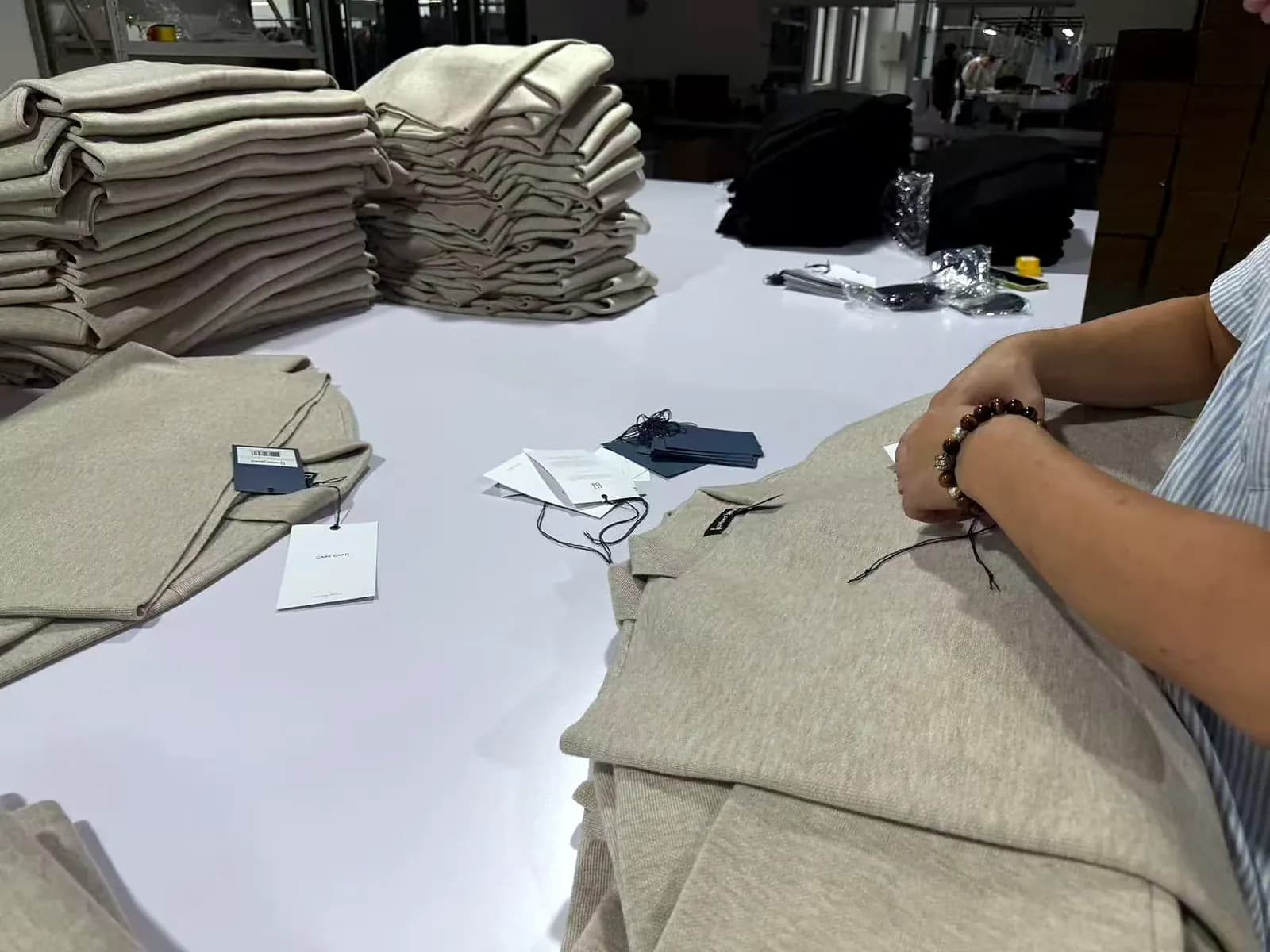
How knitwear is folded, bagged and cartoned affects both protection in transit and shipping cost.
Choosing the Right Method
Sea freight is the default for bulk knitwear because it is by far the cheapest per piece, but it adds weeks, so it must be planned into your timeline. Air freight bridges the gap when you are tight on time but cannot justify courier rates. Express courier is for samples and small urgent shipments. Most buyers ship samples by courier and bulk by sea, switching to air only when a launch date is at risk.
Packing That Protects and Saves
How knitwear is packed affects both protection and cost:
Folding and polybags protect against moisture and dust
Carton sizing affects volumetric weight and freight cost
Cartons packed efficiently reduce wasted space you pay to ship
Labeling (carton marks, barcodes) speeds customs and receiving
Specify your folding, polybag and carton requirements in advance, as noted in the tech pack guide, so packing does not delay dispatch.
Documentation and Customs
Smooth customs clearance depends on correct documents: commercial invoice, packing list, and any certificates of origin or compliance your market requires. Errors here cause delays and storage charges. Confirm the Incoterm so you know who handles which documents and costs.
Planning Logistics Into Your Timeline
Work backwards from your in-store date: add shipping (sea adds weeks), customs clearance, and domestic delivery to the production and sampling timeline. Most missed launches are timeline failures, not production failures, see our sampling lead time guide and seasonal planning guide.
A Logistics Checklist
Choose method by balancing cost, speed and volume
Specify packing to protect goods and control freight cost
Confirm the Incoterm and who handles shipping
Prepare correct customs documentation in advance
Build the full shipping time into your launch calendar
A Worked Landed-Cost Example
Two methods can carry the same 1,000-piece order yet land at very different total cost and date. Knitwear is light but bulky, so freight is usually charged on volumetric weight (carton volume), not the actual weight of the sweaters. The numbers below are illustrative, but the pattern is real and consistent across seasons.
Cost element
Sea freight
Air freight
Transit time
20–40 days
3–7 days
Freight basis
Per cubic metre / container slot
Per chargeable kg (volumetric)
Relative freight cost
Lowest
4–6× higher per piece
Door-to-door lead time
Longest, plan in weeks
Shortest, days
Best when
Date is comfortable, margin matters
Launch date is at risk
The lesson: the cheaper freight line is not automatically the cheaper decision. If air freight rescues a launch window that sea would have missed, the premium is often smaller than a markdown on late, off-season stock. Decide method against your in-store date and your margin, not freight rate alone. Gauge and fiber drive carton density too: a chunky 3GG wool sweater takes far more carton volume per piece than a fine 18GG cotton knit, so a heavy-gauge program ships fewer pieces per cubic metre and leans harder toward sea.
Reducing Volumetric Weight Without Risking the Goods
Because you pay for the space cartons occupy, smarter packing directly lowers freight. Use this checklist before bulk dispatch to keep cartons dense without crushing the knit:
Right-size cartons so there are no large air gaps you pay to ship; avoid oversized "comfort" boxes.
Standardize carton dimensions across the order so they stack tightly in the container or ULD.
Fold consistently to a specified size so polybagged pieces nest squarely rather than bulging.
Cap carton weight (commonly 12–15 kg) so boxes are not over-stuffed and deformed, which wastes stacking space and risks crush damage.
Keep moisture protection — polybags and, for sea freight, desiccant in cartons — so denser packing never trades protection for cost.
Confirm carton marks and a clean packing list match the cartons exactly, so a customs inspection does not stall the whole shipment.
Lock these requirements in writing before production finishes. Changing packing after goods are folded and bagged adds handling days and can push a sea sailing to the next week's vessel.
Common Questions
Who pays for shipping, FOB or door-to-door?
Licheng Knitwear ships FOB, so we deliver the packed, documented goods to the port and you arrange the main freight and import clearance through your forwarder. Confirm the Incoterm up front so both sides know exactly where cost and risk transfer.
Can you air-freight part of an order and ship the rest by sea?
Yes, splitting the shipment is common: a small air batch hits the launch date while the bulk follows by sea at lower cost. Tell us the split when you place the order so packing, marks and documents are prepared correctly for each leg.
How far in advance should I plan shipping into my timeline?
Work backwards from your in-store date and add sea transit (weeks), customs clearance and domestic delivery on top of sampling (15–25 days) and bulk production (30–45 days). Building the full logistics window in early is the single best protection against a missed launch.
Licheng Knitwear supports B2B buyers with FOB shipping, proper export packing and documentation for North America and Europe. Request a quote or browse our products.
---
Talk to our team about this
If you're planning a real project around any of the points above, we'd be glad to take a quick look. Send a short brief and we'll come back within one business day with a practical direction, MOQ + lead time estimate, and a sample plan if it makes sense.
Typically 25-35 days port-to-port to North America or Europe, plus customs clearance and inland delivery. Air freight is faster for samples or urgent top-ups.
Sea (LCL or FCL) for bulk - far cheaper per piece; air for samples, small urgent orders or to hit a tight launch. We advise the mix.
We provide FOB with export docs and commercial invoice/packing list; your freight forwarder handles ocean transport and import clearance.
We focus on men's sweaters, cardigans, knit jackets, jacquard knitwear and private label knitwear. We support B2B buyers with OEM/ODM development, sampling and bulk production planning.
Ready sample styles and selected custom programs can support lower-risk trials before larger seasonal orders.
Yes. Brands, including new labels preparing a first collection, can pay for a sample and see it before placing a production order. Two routes: a ready sample of a published style at USD 60 per piece in about 7 days, or a development sample from your tech pack at USD 150 per style, covering yarn sourcing, knit programming, one prototype and one revision round, in 15-25 days. Cashmere and mohair styles are quoted individually and shipping is charged at cost. Production starts only after you approve the physical sample, at our minimum of 30 pieces per colour with sizes mixed inside the 30. A sample does not commit you to a production run; we do not make garments for personal use.
Ready to Start Your Project?
Get a free catalog or submit an RFQ today. Our team will respond within 24 hours.
MOQ, lead time, cost ranges, gauge selection and QC checkpoints across typical OEM/ODM knitwear programs in NA + EU. Enter your email — we'll send you the report link in 30 seconds.
No spam. Unsubscribe with one reply. We use your email only to send you the report and follow up if you want a sourcing conversation.
Brand names shown are previously serviced OEM/ODM partners. Logos are decorative and do not imply current endorsement.