OEM vs. ODM vs. Private Label vs. White Label bei Strickwaren: Die Definitionen geklärt
Aktualisiert 13.10.202612 min readVon Simon Liu · Licheng Knitwear
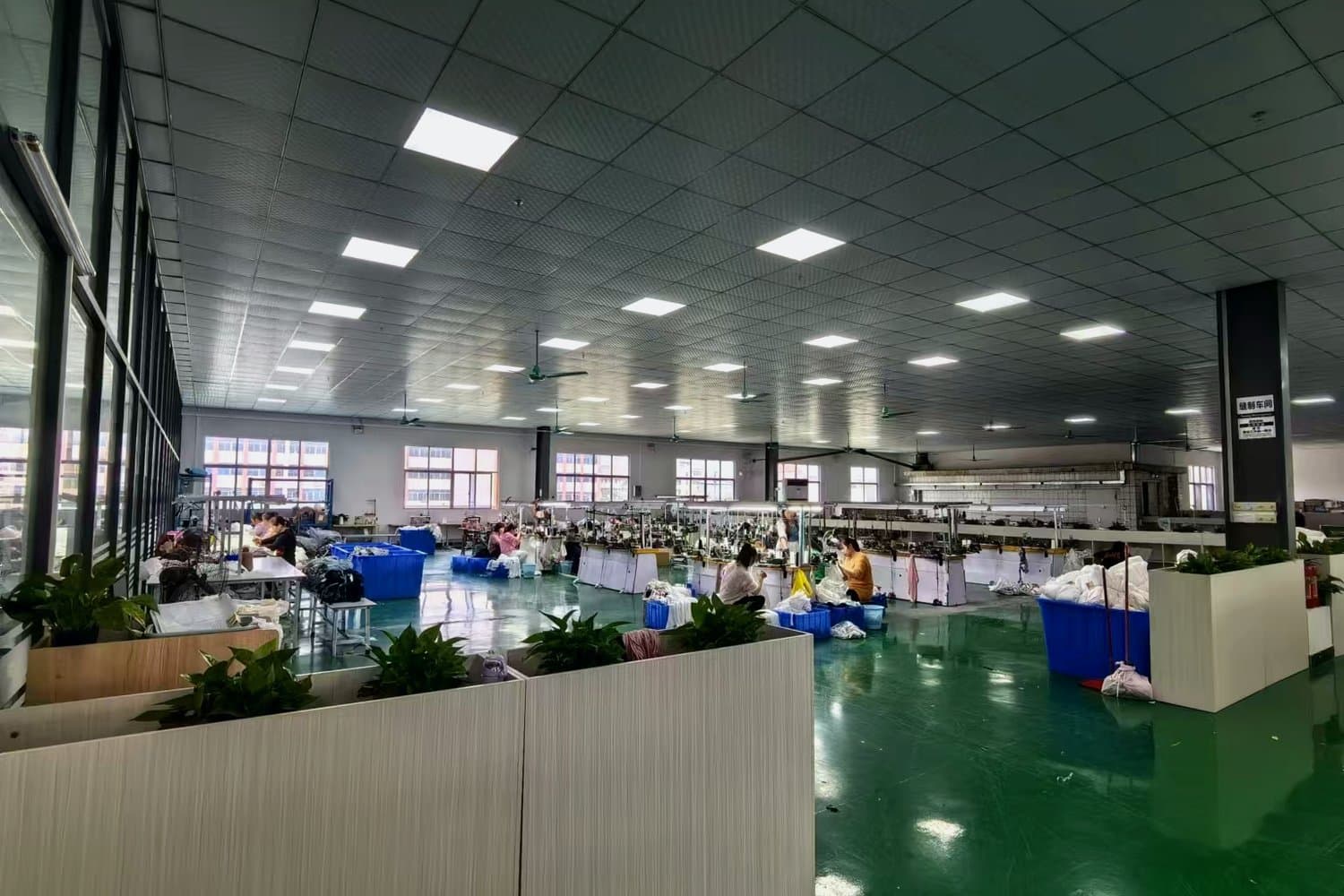
Nur wenige Beschaffungsbegriffe sorgen für so viel Verwirrung zwischen Einkäufer und Lieferant wie OEM, ODM, Private Label und White Label. Sie überschneiden sich, sie werden in Lieferanten-E-Mails austauschbar verwendet, und die falsche Annahme kann bedeuten, dass eine Marke für eine kundenspezifische Entwicklung zahlt, die ihr nie gehörte, oder ein individuelles Design erwartet, während die Fabrik ein generisches Katalogprodukt vorbereitet. Dieser Leitfaden trennt die vier Modelle klar: Wer gestaltet, wem gehört das geistige Eigentum, wer wählt Garn und Zutaten, was bedeutet jedes Modell für MOQ und Lieferzeit, wie sichtbar Ihre Marke für den Endkunden tatsächlich ist, und welche Markenphase typischerweise welchen Weg nutzt. Er ist aus Lichengs Perspektive als Strickwarenhersteller in Dongguan geschrieben, der jede Saison OEM-, ODM- und Private-Label-Programme betreibt, damit aufstrebende Markengründer entscheiden können, welches Beschaffungsmodell zu ihrer heutigen Situation passt.
Nur wenige Beschaffungsbegriffe sorgen im B2B-Strickwarengeschäft für so viel Verwirrung wie OEM, ODM, Private Label und White Label. Lieferanten verwenden sie unpräzise. Einkäufer verwenden sie austauschbar. Dieselbe Fabrik beschreibt dasselbe Programm in einer E-Mail als OEM und in der nächsten als Private Label. Wenn die Bedeutungen unklar sind, passieren zwei teure Dinge: Eine Marke zahlt Entwicklungskosten für ein Muster, an dem sie keine Rechte besitzt, oder sie erwartet ein vollständig kundenspezifisches Design, während die Fabrik im Stillen einen leicht abgewandelten Katalogartikel vorbereitet.
Bei Licheng betreiben wir alle vier Modelle aus unserem Werk in Dongguan — OEM und ODM bilden unseren Kern, Private Label baut auf beiden auf, und gelegentlich erfüllen wir das, was manche Einkäufer White Label nennen, wenn ein Standardmodell die richtige Antwort ist. Dieser Leitfaden trennt die vier Modelle in klarer Sprache: Wer gestaltet das Produkt, wem gehört das geistige Eigentum, wer wählt Garn und Zutaten, was bedeutet jedes Modell für MOQ und Lieferzeit, wie sichtbar ist Ihre Marke auf dem fertigen Pullover, und welche Markenphase nutzt typischerweise welchen Weg. Ziel ist es, einem aufstrebenden Markengründer genügend Vokabular an die Hand zu geben, um Lieferanten die richtige Frage zu stellen und die Antwort korrekt zu lesen.
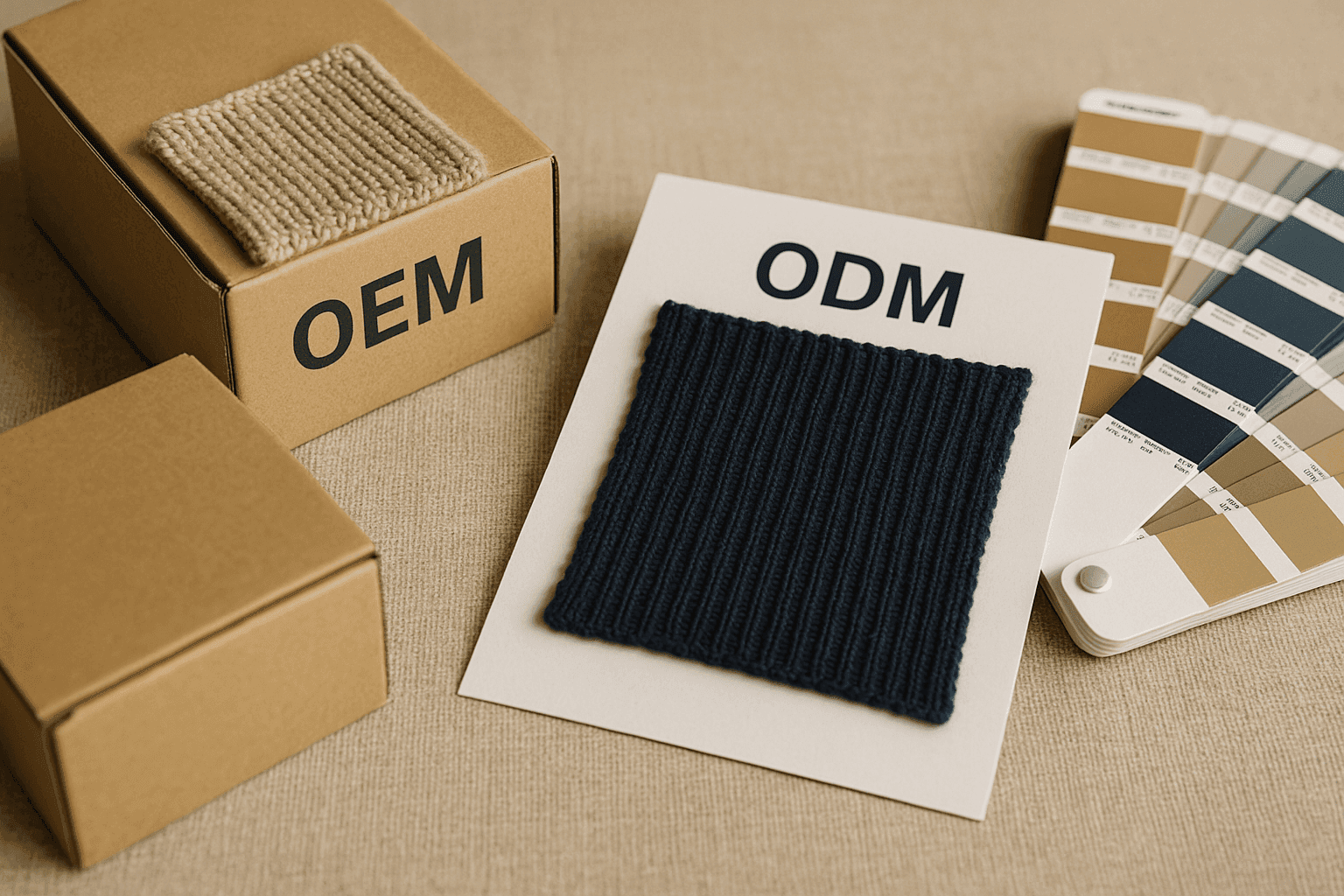
Die vier Begriffe beschreiben zwei getrennte Dinge gleichzeitig: Wer hat das Produkt gestaltet, und wessen Marke kommt darauf. Sobald Sie diese beiden Fragen trennen, überschneiden sich die Bezeichnungen nicht mehr.
1. OEM (Original Equipment Manufacturer)
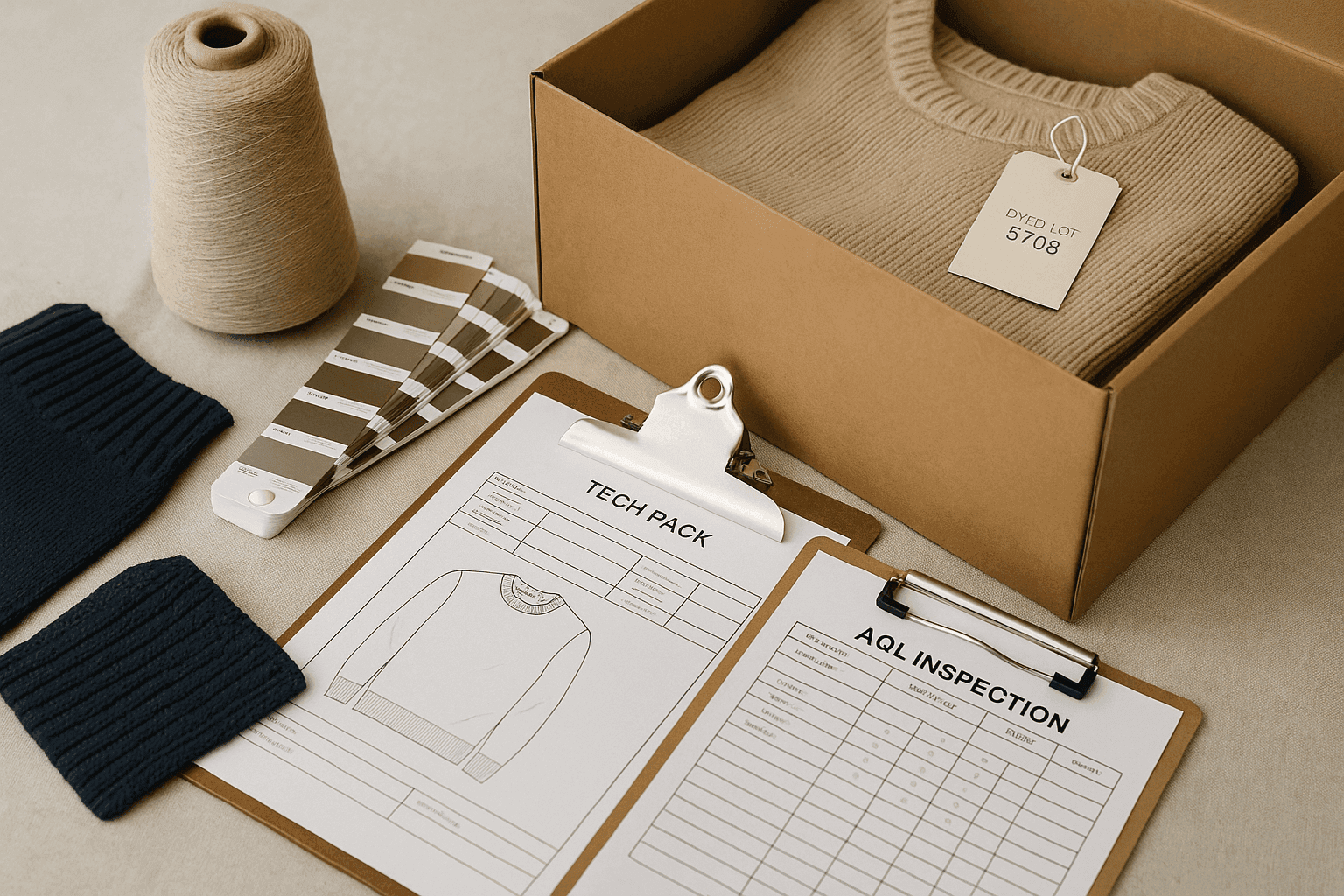
OEM bedeutet, dass der Einkäufer das Design einbringt und die Fabrik es nach dieser Spezifikation fertigt. Bei Strickwaren heißt das: Die Marke liefert ein Tech Pack — Skizze, Maße, Garnvorgaben, Feinheit, Maschenstruktur, Zutaten, Etiketten, Verpackung — und die Fabrik beschafft das Garn, strickt, kettelt, konfektioniert und versendet. Das geistige Eigentum am Design gehört dem Einkäufer. Der Beitrag der Fabrik ist die Fertigungskompetenz: Auswahl der Feinheit, Strickprogrammierung, Ketteln, Waschen und Veredelung.
Bereit, Ihr Projekt zu starten?
Fordern Sie einen Katalog an oder senden Sie heute eine Anfrage. Unser Team antwortet innerhalb von 24 Stunden.
OEM ist das, was die meisten etablierten Marken und designorientierten Start-ups nutzen, sobald sie einen internen oder freiberuflichen Designer haben, der Tech Packs erstellt. Es verschafft der Marke die volle Kontrolle über Silhouette, Passform und Look sowie das vollständige Eigentum am entstehenden Produkt.
2. ODM (Original Design Manufacturer)
ODM bedeutet, dass die Fabrik das Produkt gestaltet hat. Der Einkäufer wählt ein Modell aus der saisonalen Kollektion oder dem Katalog der Fabrik, fordert Anpassungen an — Farbe, Garnmischung, Etikett, manchmal kleinere Silhouettenänderungen — und bestellt darauf basierend. Die Fabrik besitzt das zugrunde liegende Design und das technische Schnittmuster; der Einkäufer besitzt die Bestellung und das Recht, diese fertigen Einheiten unter seiner Marke zu verkaufen.
ODM verkürzt die Markteinführungszeit drastisch. Es gibt keine Silhouettenentwicklung, das Schnittmuster ist bereits gradiert, und ein bekanntes Muster existiert. Es ist der Standardweg für Einkäufer ohne Designteam oder für Marken, die eine Produktkategorie testen, bevor sie sich auf eine maßgeschneiderte Entwicklung festlegen.
3. Private Label
Private Label ist eine kommerzielle Vereinbarung, kein Designmodell. Es bedeutet, dass das Produkt unter der Marke des Einkäufers verkauft wird — das gewebte Etikett des Einkäufers wird eingenäht, der Hangtag des Einkäufers wird angebracht, das Pflegeetikett und die Verpackung des Einkäufers werden verwendet, und die Fabrik ist für den Endkunden nicht sichtbar. Private Label kann auf OEM oder ODM aufbauen. Ein kundenspezifisch gestalteter OEM-Pullover in Ihrer Verpackung ist Private Label. Ein abgewandelter ODM-Katalogpullover in Ihrer Verpackung ist ebenfalls Private Label.
Wenn eine Fabrik sagt „Wir bieten Private Label an", meint sie in der Regel: Wir nähen Ihre Etiketten ein, bringen Ihre Hangtags an, polybeuteln und kennzeichnen die Kartons nach Ihrer Spezifikation und platzieren unsere Marke nirgendwo auf der fertigen Ware. Damit ist nicht zwangsläufig eine Aussage darüber getroffen, wer das Produkt gestaltet hat.
4. White Label
White Label ist ein generisches Produkt, das die Fabrik oder ein Dritter bereits herstellt und das mehreren Einkäufern unter ihrer jeweils eigenen Marke zur Verfügung gestellt wird. Derselbe Pulloverkörper, dieselbe Passform, dieselbe Farbe, dasselbe Garn — verkauft von Marke A, Marke B und Marke C, jeweils mit ihren eigenen eingetauschten Etiketten. Es gibt keine Exklusivität. Es gibt keinen Designbeitrag vom Einkäufer. Das Produkt wird wie eine Massenware behandelt.
Bei Strickwaren ist echtes White Label seltener als bei Hautpflege oder Nahrungsergänzungsmitteln, weil die meisten Fabriken auftragsbezogen statt mit eingelagerter Fertigware arbeiten. Aber es existiert — einfache Rundhalspullover, schlichte Polos, schmucklose Strickjacken — und es ist ein legitimer Weg für Marken, die schnell Volumen zu bekannten Stückkosten benötigen.
Vergleichstabelle
Dimension
OEM
ODM
Private Label
White Label
Wer gestaltet das Produkt
Einkäufer
Fabrik
Beide (baut darauf auf)
Fabrik / Dritter
Wem gehört das Design-IP
Einkäufer
Fabrik
Wer auch immer es gestaltet hat
Fabrik
Wer wählt Garn & Zutaten
Einkäufer spezifiziert, Fabrik beschafft
Fabrik schlägt vor, Einkäufer genehmigt
Je nach zugrunde liegendem Modell
Fabrik, festgelegt
Muster-Lieferzeit (Licheng)
7-25 days
5-15 days (Katalogreferenz)
Je nach zugrunde liegendem Modell
0-7 days (vorhandener Bestand oder fertiges Modell)
Lieferzeit Serie
30-45 days
30-40 days
30-45 days
Oft kürzer, manchmal ab Lager
Typische MOQ (Licheng)
30 pcs/Farbe, bei Skalierung oft 100+
30 pcs/Farbe oder Fabrikmindestmenge
30 pcs/Farbe
Vom lagernden Werk festgelegt, kann niedriger sein
Markensichtbarkeit am Kleidungsstück
Voll (Ihr Design, Ihre Etiketten)
Voll auf Etiketten, geteilt bei Silhouette
Voll
Voll auf Etiketten, keine bei Silhouette
Exklusivität des Designs
Ja, Einkäufer besitzt es
Meist nein, Fabrik darf weiterverkaufen
Je nach zugrunde liegendem Modell
Nein, mehrere Marken führen denselben Artikel
Typische Markenphase
Etabliert oder designorientiertes Start-up
Aufstrebende Marke, Handelseinkäufer, Distributor
Jede Phase, die eine eigene Markenidentität ergänzt
Alle Angaben zu Lieferzeit und MOQ beziehen sich auf Lichengs Katalogprogramme für Strickwaren aus Baumwolle, Wolle und Mischungen bei 3GG bis 18GG. Garnbeschränkte und zertifizierte-Faser-Programme können beide verlängern.
Die Fehlannahmen, die wir am häufigsten sehen
Die Fehlannahmen, die wir am häufigsten sehen
Die Definitionen sind der einfache Teil. Die teuren Missverständnisse entstehen an der Grenze zwischen dem, was ein Einkäufer zu kaufen glaubt, und dem, was der Lieferant tatsächlich anbietet. Dies sind die Muster, die wir bei eingehenden Anfragen am häufigsten sehen.
„OEM" angeboten, ODM geliefert. Ein Einkäufer schickt ein Inspirationsbild und bittet um „OEM, genau wie dieses". Die Fabrik hat ein nahezu identisches Modell in ihrem Archiv, schickt ein Muster aus diesem Block, und der Einkäufer akzeptiert es, weil es richtig aussieht. Sechs Monate später entdeckt die Marke denselben Pullover bei einem Wettbewerber mit anderen Etiketten. Die Arbeit war ODM mit einem Etikettentausch, nicht OEM. Wenn Exklusivität wichtig ist, stellen Sie die Frage ausdrücklich und nehmen Sie sie in die Bestellung auf.
Private Label wird mit exklusivem Design gleichgesetzt. Private Label beschreibt nur die Etiketten und die Verpackung — nicht das Design darunter. Eine Fabrik kann denselben ODM-Körper ethisch korrekt mehreren Private-Label-Kunden in unterschiedlichen Farbstellungen und mit unterschiedlichen Etiketten anbieten. Wenn Sie Designexklusivität benötigen, vereinbaren Sie diese separat vertraglich.
OEM-Entwicklungskosten werden nicht verstanden. Echtes OEM bei Strickwaren umfasst Garnbeschaffung, Strickprogrammierung, Passform-Musterung und Gradierung. Selbst bei Lichengs Katalog-MOQ von 30 Stück pro Farbe ist die Muster- und Programmierzeit echte Arbeit. Einkäufer, die OEM-Maßanfertigung zu White-Label-Preisen erwarten, werden fast immer auf einer ODM-Basis kalkuliert, von der man ihnen nichts sagt.
MOQ-Verwirrung zwischen Modell und Farbe. OEM-MOQ gilt in der Regel pro Modell pro Farbe, weil jede Farbe ein separates Garnfärbelos und Strickprogramm ist. ODM-MOQ kann pro Modell über mehrere Farben hinweg gelten, wenn die Fabrik das Garn bereits vorrätig hat. White-Label-MOQ ist das, was der Lagerhalter festlegt. Die Zahl bedeutet in jedem Modell etwas anderes.
Lieferzeit an der falschen Referenz festgemacht. Die ODM-Lieferzeit wirkt schneller, weil die Designphase bereits abgeschlossen ist. Einkäufer, die ein ODM-Angebot bei der Lieferzeit direkt mit einem OEM-Angebot vergleichen, vergleichen keine gleichwertige Arbeit. Der richtige Vergleich ist die Gesamtzeit vom Konzept bis zur Lieferung.
Welches Modell zu welcher Markenphase passt
Es gibt keinen allgemeingültig richtigen Weg. Die richtige Antwort ändert sich mit der Markenphase, der Designkompetenz, dem Kapital und der Frage, die die Marke in dieser Saison beantworten möchte.
Frühe DTC-Phase oder Testlaunch. ODM mit Private-Label-Verpackung ist in der Regel der schnellste und risikoärmste Weg. Die vorhandenen Schnittmuster der Fabrik funktionieren, die Marke erfährt, ob sich die Kategorie verkauft, und Kapital bleibt für das Marketing erhalten. Wir sehen aufstrebende Marken in den USA, Großbritannien, Deutschland, Frankreich, Spanien und den Niederlanden diesen Weg für ihre ersten 1-3 Modelle nutzen.
Designorientiertes Start-up mit klarer Handschrift. OEM mit Private Label ist selbst bei geringen Mengen der richtige Weg. Der Preis von Katalog-ODM ist, dass die Silhouette nicht Ihre eigene ist und die Differenzierung oberflächlich bleibt. Gründer, die eine Marke auf Passform, Stoffgeschichte oder unverwechselbarer Detailgestaltung aufbauen, sollten sich vom ersten Muster an für OEM entscheiden, den längeren ersten Zyklus akzeptieren und das Ergebnis besitzen.
Etablierte Marke, die ein Sortiment skaliert. OEM ist der Standard. ODM kann für Füllerbasics einspringen, bei denen Designeigentum weniger zählt als Marge und Lieferzeit. Private Label ist implizit.
Marktplatzhändler oder Wiederverkäufer. White Label oder leicht abgewandeltes ODM ist ehrlich darüber, was das Geschäft ist — Distribution, nicht Design. Die Margen sind enger, aber Geschwindigkeit und Kapitaleffizienz sind höher.
Einzelhändler, der ein Eigenmarkenprogramm aufbaut. ODM-plus-Private-Label ist das Standardmodell. Der Einzelhändler gibt Farbe, Etikett und Verpackung vor; die Fabrik steuert Design und Schnittmuster bei. Das Volumen rechtfertigt bei Bedarf moderate Exklusivitätsverträge.
Wie Licheng zu diesen vier Modellen passt
Wir betreiben OEM und ODM als Primärprogramme und bieten Private Label über beide hinweg an. Wir lagern keine Fertigware, daher ist echtes White Label nicht unser Standardangebot, obwohl wir vorhandene Katalogmodelle mit den Etiketten des Einkäufers versenden können, wenn ein Einkäufer schnell ein bekanntes Produkt benötigt.
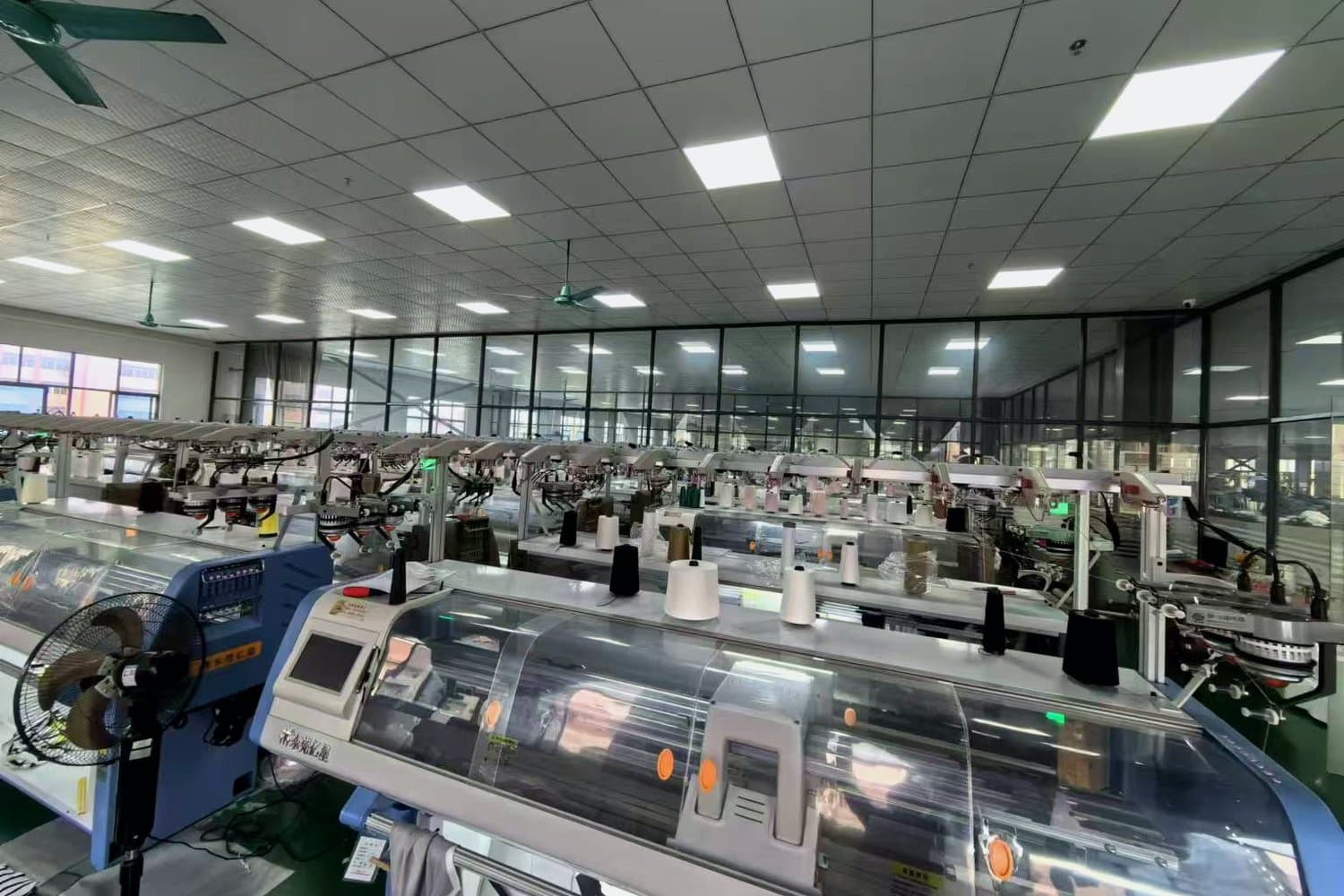
Bei OEM arbeiten wir nach den Tech Packs des Einkäufers mit Feinheiten von 3GG bis 18GG, wobei 5GG, 7GG und 12GG am häufigsten sind, und wir beschaffen Garne aus Baumwolle, Wolle, Kaschmir, Alpaka, Mohair und Mischungen nach der Spezifikation des Einkäufers. Die Muster-Lieferzeit beträgt je nach Garnverfügbarkeit und Schnittmusterkomplexität 7-25 days; die Serien-Lieferzeit beträgt 30-45 days. Die Katalog-MOQ liegt bei 30 Stück pro Farbe, wobei der angebotene Stückpreis bei 100, 300 und 500 Stück sinkt.
Bei ODM wählen Einkäufer aus unserer saisonalen Kollektion — den in unserem Katalog unter lcsweater.com sichtbaren Modellen — und fordern Anpassungen an. Die Muster-Lieferzeit ist kürzer, weil das Basisschnittmuster existiert. Private Label baut auf beiden Programmen auf: gewebtes Hauptetikett, gewebtes oder gedrucktes Pflegeetikett, Hangtag und Verpackung alle nach Spezifikation des Einkäufers, wobei unsere Marke auf der fertigen Ware fehlt.
Welches Modell ein Einkäufer auch wählt, AQL-Inspektion, Nadeldetektion und Metalldetektion gelten einheitlich. Das Modell bestimmt, wer den Pullover gestaltet hat und wem die Rechte gehören; es ändert nichts daran, wie der Pullover gefertigt und geprüft wird.
Was Sie vor der Unterzeichnung einer Bestellung klären sollten
Wenn Sie ein Angebot erhalten, sagt Ihnen die vierbuchstabige Abkürzung in der Betreffzeile weniger als die Antworten auf diese fünf Fragen. Holen Sie sie schriftlich ein, bevor die PI erstellt wird.
1. Wem gehört das Design-IP — Einkäufer, Fabrik oder geteilt? Falls geteilt, zu welchen Bedingungen?
2. Ist das Design exklusiv für unsere Marke, oder kann die Fabrik dasselbe Schnittmuster an andere verkaufen?
3. Wessen Tech Pack regelt die Produktion — unseres oder das interne Spezifikationsblatt der Fabrik?
4. Welche Etiketten, Hangtags und welche Verpackung tragen die fertigen Einheiten, und wessen Marke erscheint irgendwo auf oder im Kleidungsstück?
5. Was ist die MOQ-Einheit — pro Modell, pro Modell pro Farbe oder pro Gesamtbestellung — und wie lang ist die Muster-Lieferzeit, bevor die Serie startet?
Wenn der Lieferant alle fünf Fragen klar beantwortet und die Antworten zu der von ihm verwendeten Abkürzung passen, beginnt die Beziehung auf solidem Boden. Wenn die Antworten vage sind oder zwischen E-Mails schwanken, ist das genau das Missverständnis, das zu klären ist, bevor Geld fließt.
---
Sprechen Sie mit unserem Team darüber
Wenn Sie ein konkretes Projekt rund um einen der oben genannten Punkte planen, schauen wir uns das gerne kurz an. Senden Sie uns ein kurzes Briefing, und wir melden uns innerhalb eines Werktags mit einer praktischen Richtung, einer Schätzung zu MOQ + Lieferzeit und bei Bedarf einem Musterplan.
Nein. OEM beschreibt, wer das Produkt entworfen hat — der Einkaeufer hat es entworfen, die Fabrik hat es gefertigt. Private Label beschreibt, wessen Marke auf dem fertigen Produkt steht — die Etiketten, der Hangtag und die Verpackung des Einkaeufers werden verwendet. Ein Pullover kann gleichzeitig OEM und Private Label sein, er kann aber auch ODM und Private Label sein, wobei die Fabrik den Pullover entworfen hat und der Einkaeufer lediglich seine Etiketten hinzugefuegt hat. Private Label ist eine Verpackungs- und Brandingvereinbarung, kein Modell des Designeigentums.
Standardmaessig ja. Unter den ueblichen ODM-Bedingungen besitzt die Fabrik das Design und das zugrunde liegende Schnittmuster und kann denselben Koerper anderen Einkaeufern in unterschiedlichen Farben und Etiketten anbieten. Wenn Exklusivitaet fuer Ihre Marke wichtig ist, vereinbaren Sie diese separat — entweder als bezahlte Exklusivitaetsgebuehr auf dieses Schnittmuster, eine zeitlich befristete regionale Exklusivitaet oder einen vollstaendigen Design-Buyout. Lassen Sie sich die Exklusivitaet schriftlich auf der Bestellung bestaetigen; sie ergibt sich nicht aus der Bezahlung von Mustern.
Nicht zwingend. Bei Licheng liegt die Katalog-MOQ fuer OEM und ODM gleichermassen bei 30 Stueck pro Farbe. Der Unterschied liegt darin, was die Untergrenze bestimmt: Die OEM-MOQ wird durch Mindestmengen der Garnfaerbung und die Strickprogrammierzeit festgelegt, die ODM-MOQ davon, ob die Fabrik das Garn bereits vorhaelt. Bei ungewoehnlichen Garnmischungen oder zertifizierten Fasern koennen die OEM-Mindestmengen auf 100-300 Stueck pro Farbe steigen; eine bestimmte Farbe auf Standardgarn bleibt bei 30 Stueck, mit einem Kleinpartie-Faerbezuschlag unterhalb der Faerbepartie der Spinnerei. ODM-Mindestmengen bleiben tendenziell naeher an der Katalogbasis, da das Garn im Haus ist.
ODM mit Private-Label-Verpackung ist fast immer am schnellsten, da Design, Schnittmuster und Gradierung bereits existieren. Erwarten Sie bei Licheng eine Muster-Lieferzeit von 5-15 Tagen und eine Bulk-Lieferzeit von 30-40 Tagen. OEM fuegt darueber hinaus Entwicklungszeit hinzu, da jede Silhouette von Grund auf gemustert und bemustert wird — realistisch betraegt die Gesamtzeit vom Konzept bis zur gelieferten Bulk-Produktion zwei bis vier Monate. White Label ist am schnellsten, wenn das Produkt auf Lager existiert, aber die Optionen sind auf das beschraenkt, was die Fabrik bereits produziert.
Ja, und das ist ein verbreiteter Weg. Viele aufstrebende Marken beginnen mit zwei oder drei ODM-Modellen in Private-Label-Verpackung, um die Kategorie zu validieren und Kundenfeedback zu sammeln, und beauftragen dann OEM-Entwicklungen fuer Modelle, die sie vollstaendig besitzen wollen. Die Fabrikbeziehung, Passformdaten, Etikettenkonfiguration und Qualitaetssysteme werden uebertragen, sodass der zweite Zyklus schneller laeuft als der erste. Der Schluessel liegt darin, ehrlich zu sich selbst und zur Fabrik zu sein, welche Modelle ausschliesslich Ihnen gehoeren muessen und welche als Kataloganpassungen voellig in Ordnung sind.
Wir konzentrieren uns auf Herrenpullover, Cardigans, Strickjacken, Jacquard-Strickwaren und Private-Label-Strickwaren. Wir unterstützen B2B-Käufer bei OEM/ODM-Entwicklung, Mustererstellung und Serienproduktionsplanung.
MOQ, Lieferzeiten, Kostenspannen, Feinheitenwahl und Qualitätsprüfpunkte typischer OEM/ODM-Strickprogramme für Nordamerika und Europa. E-Mail eintragen — den Link schicken wir in 30 Sekunden.
Kein Spam. Abmeldung mit einer einzigen Antwort. Wir nutzen Ihre E-Mail ausschließlich, um Ihnen den Report zu senden und auf Wunsch das Sourcing-Gespräch fortzusetzen.