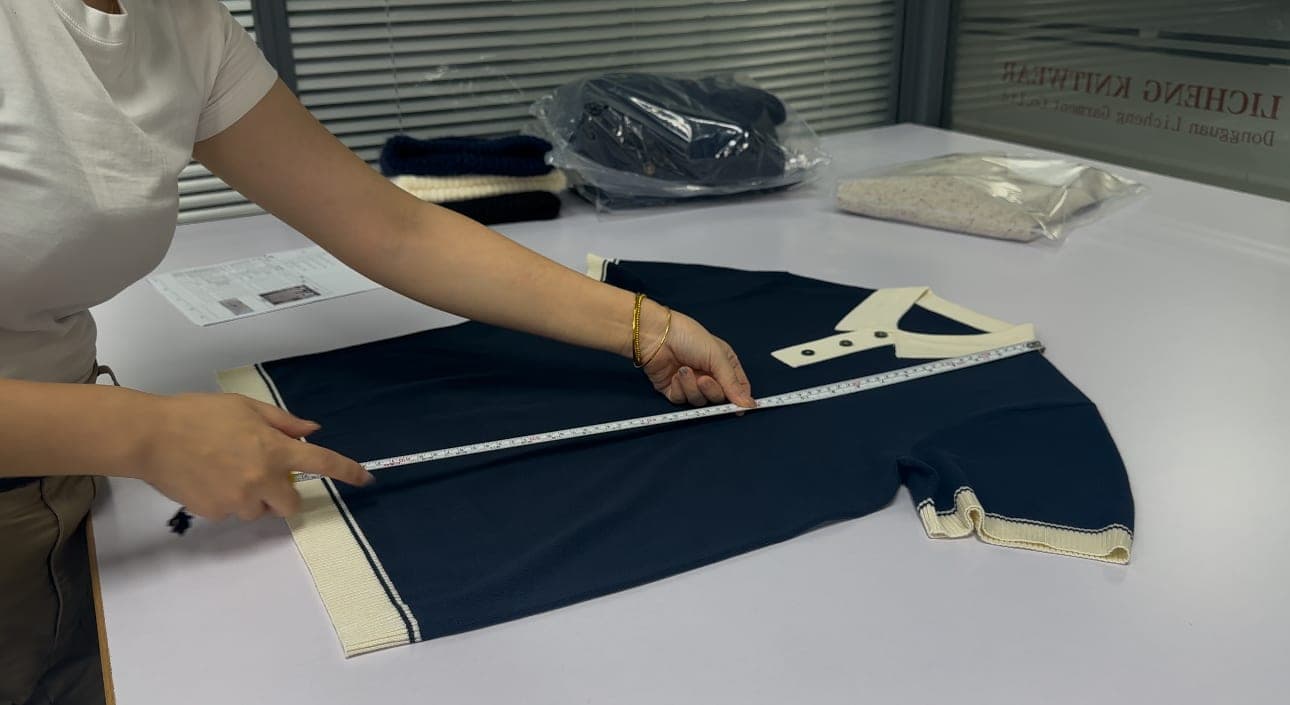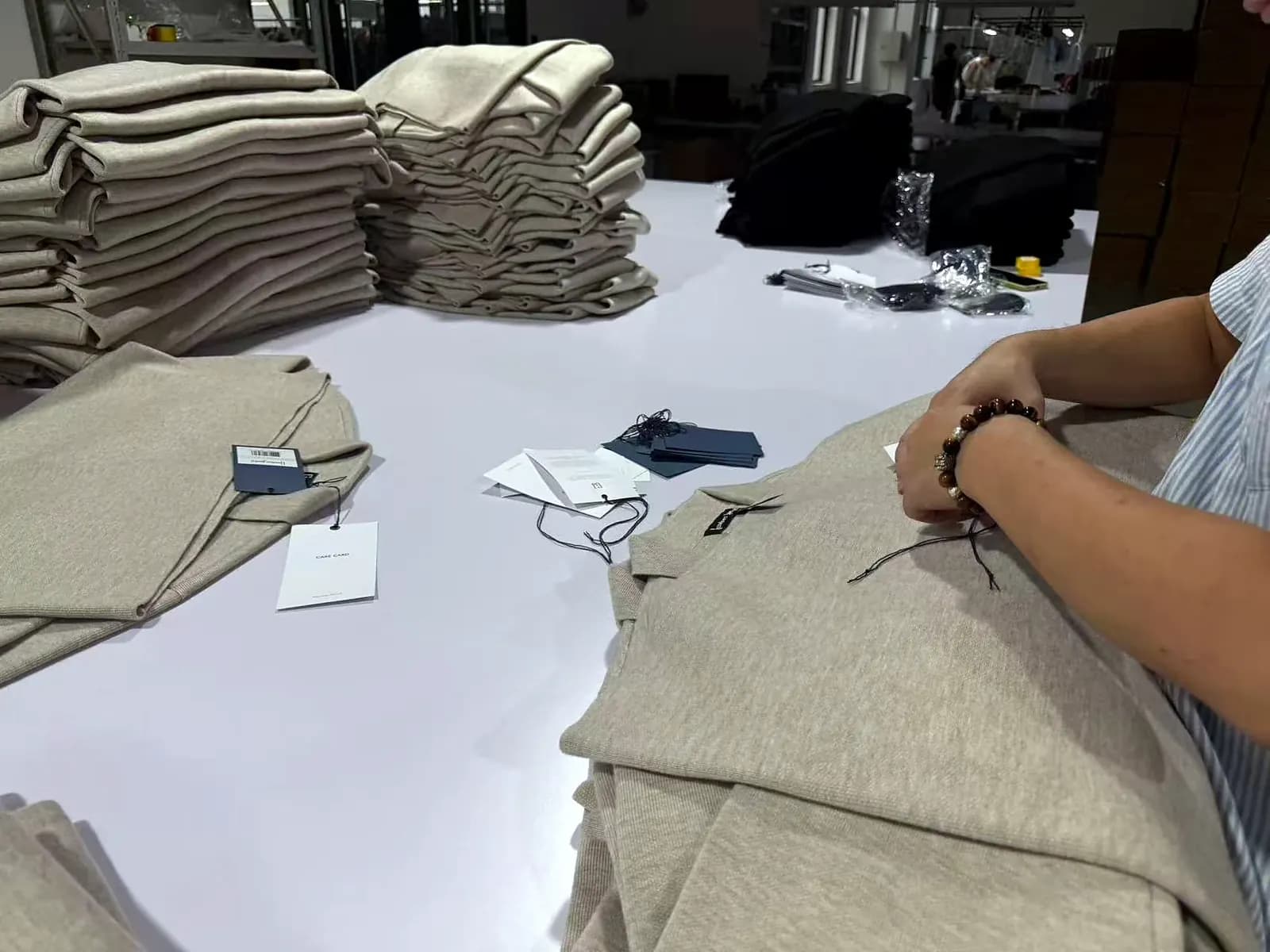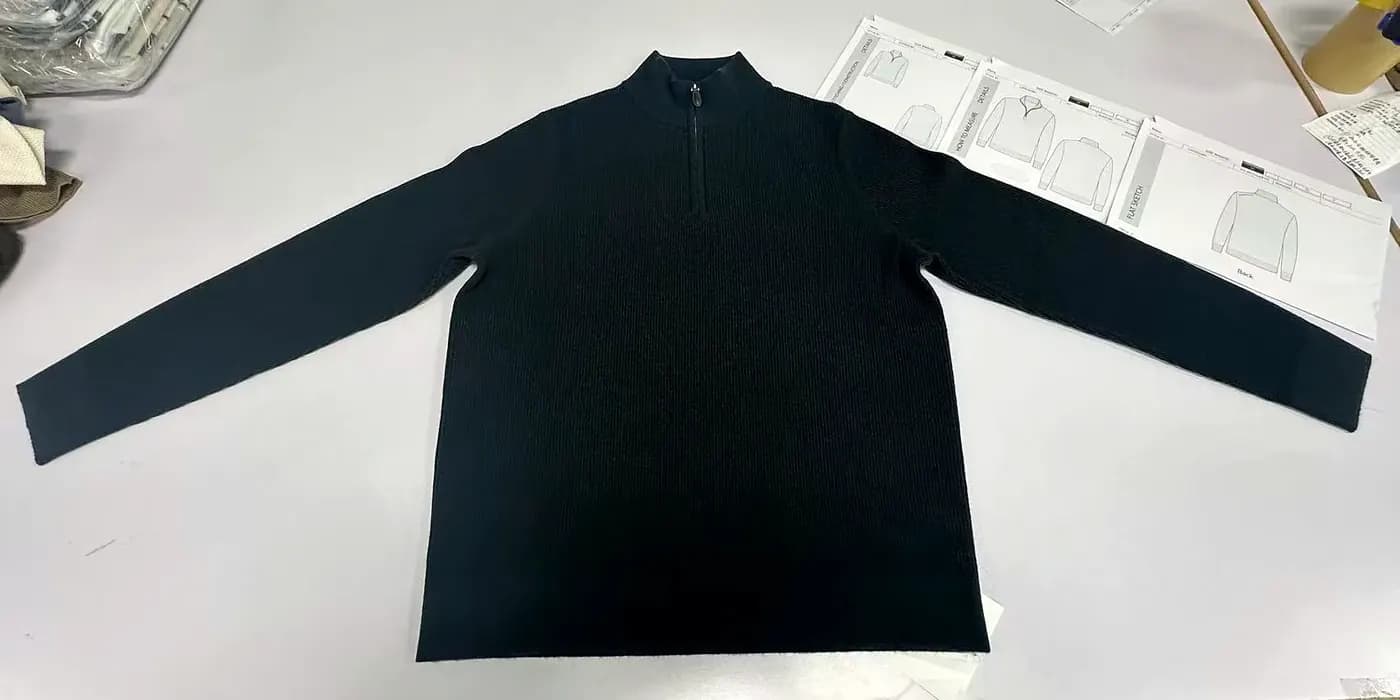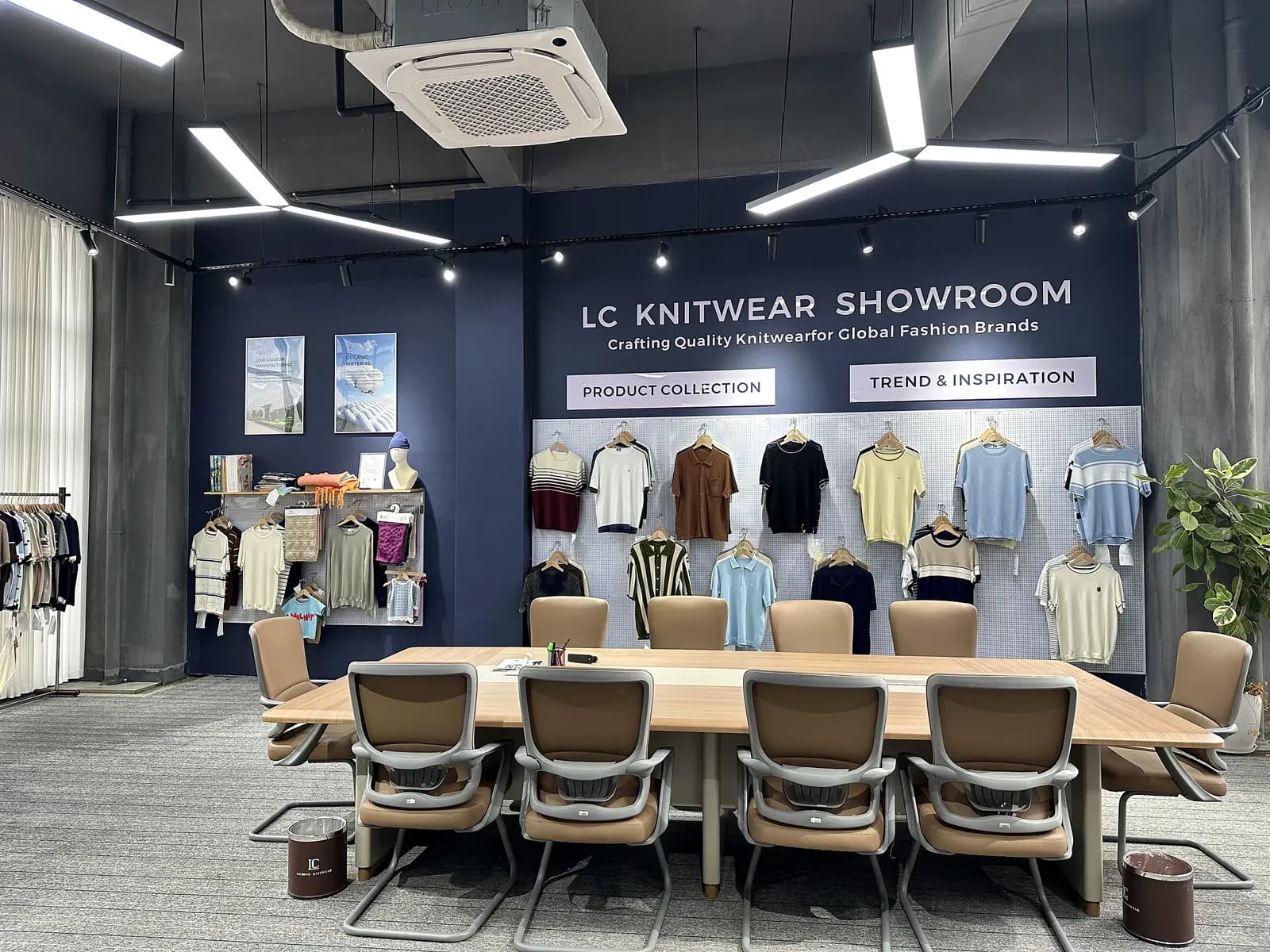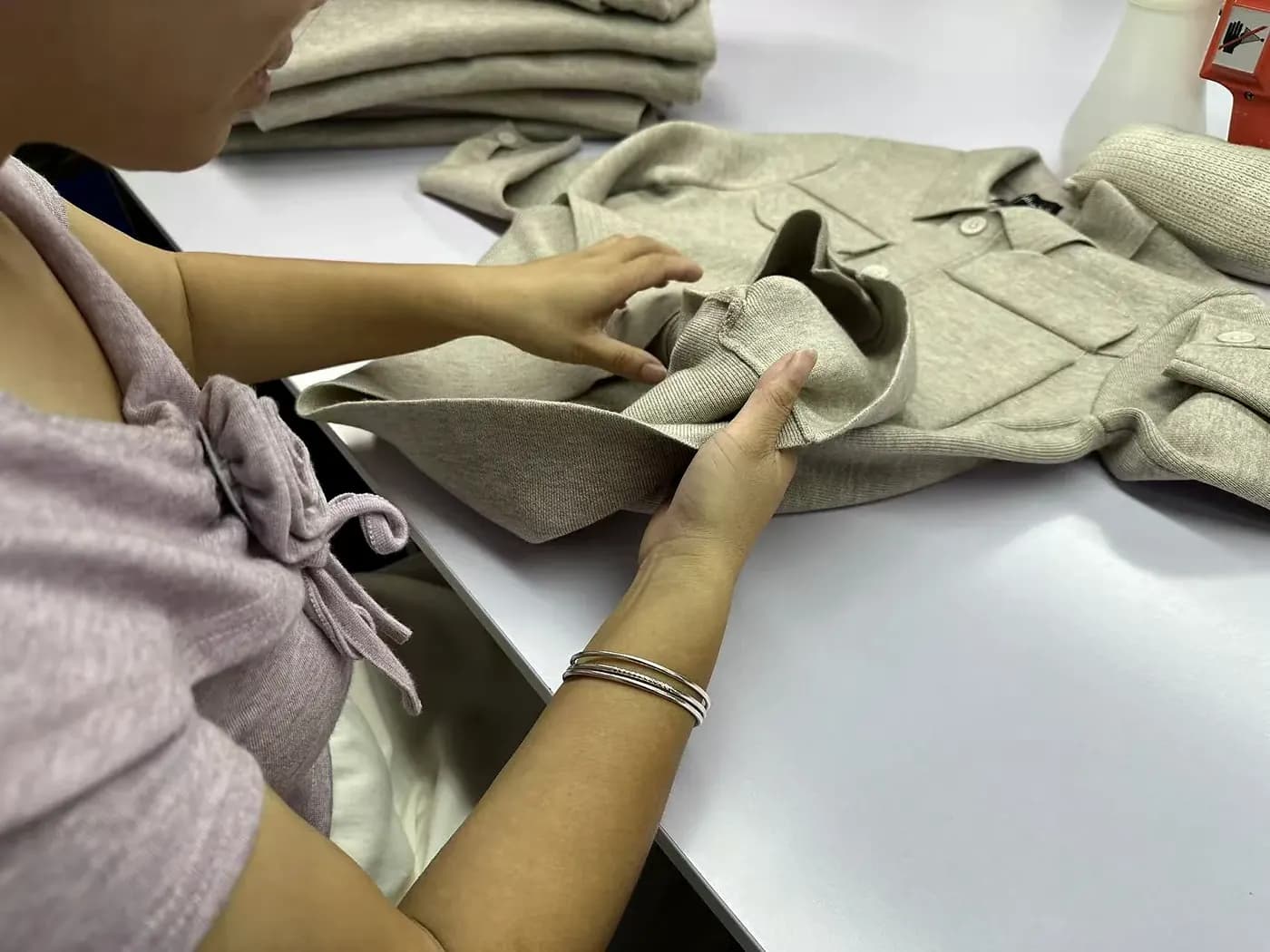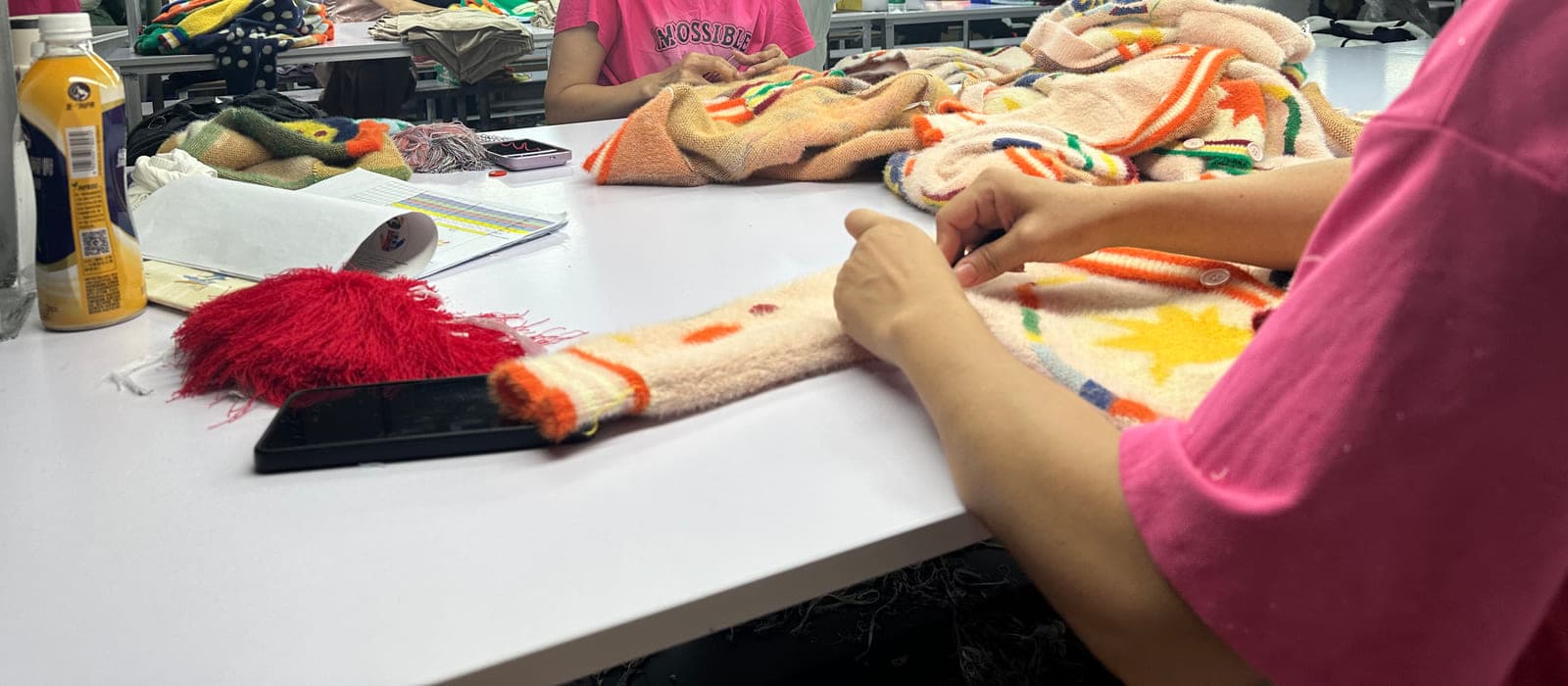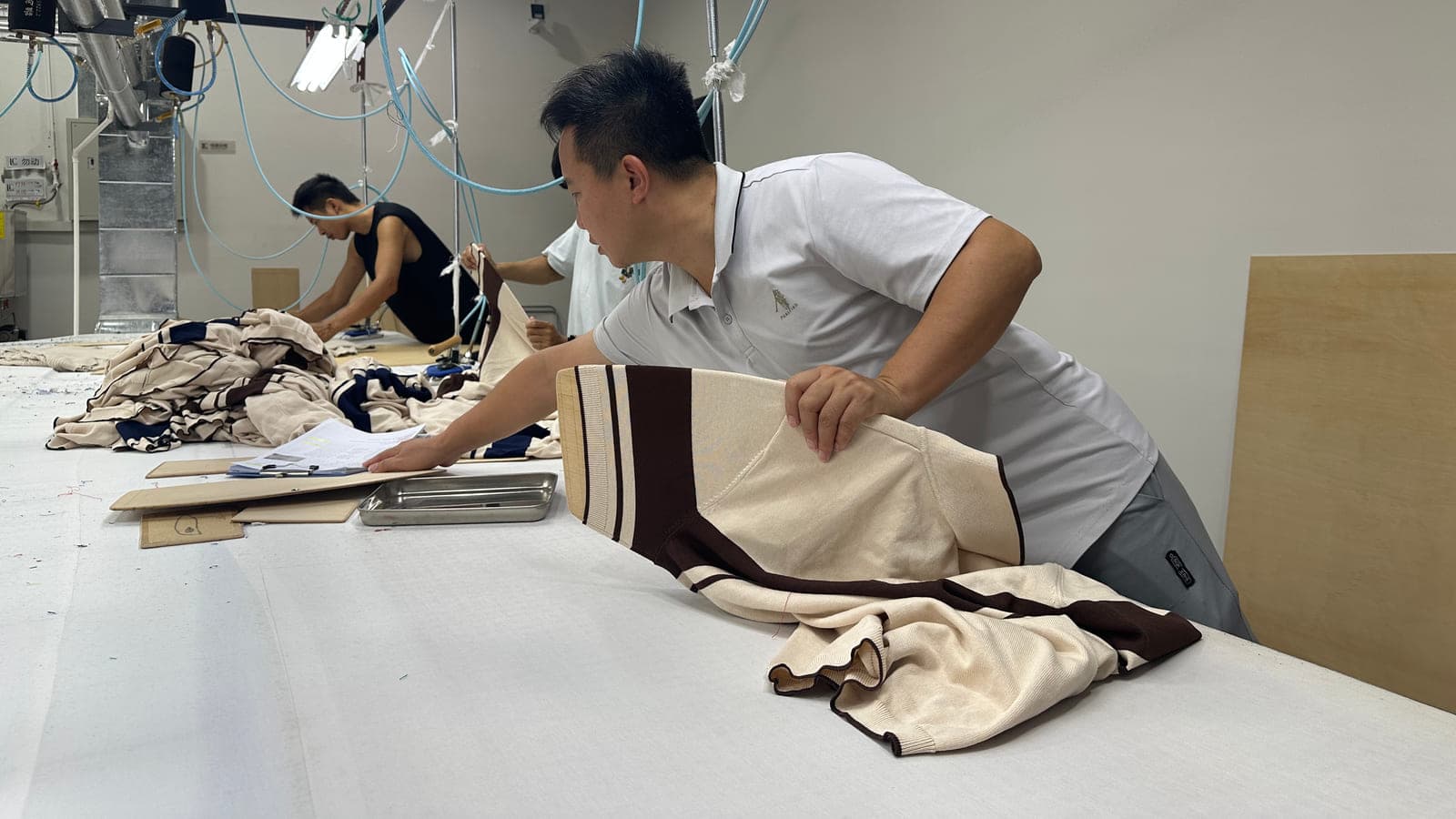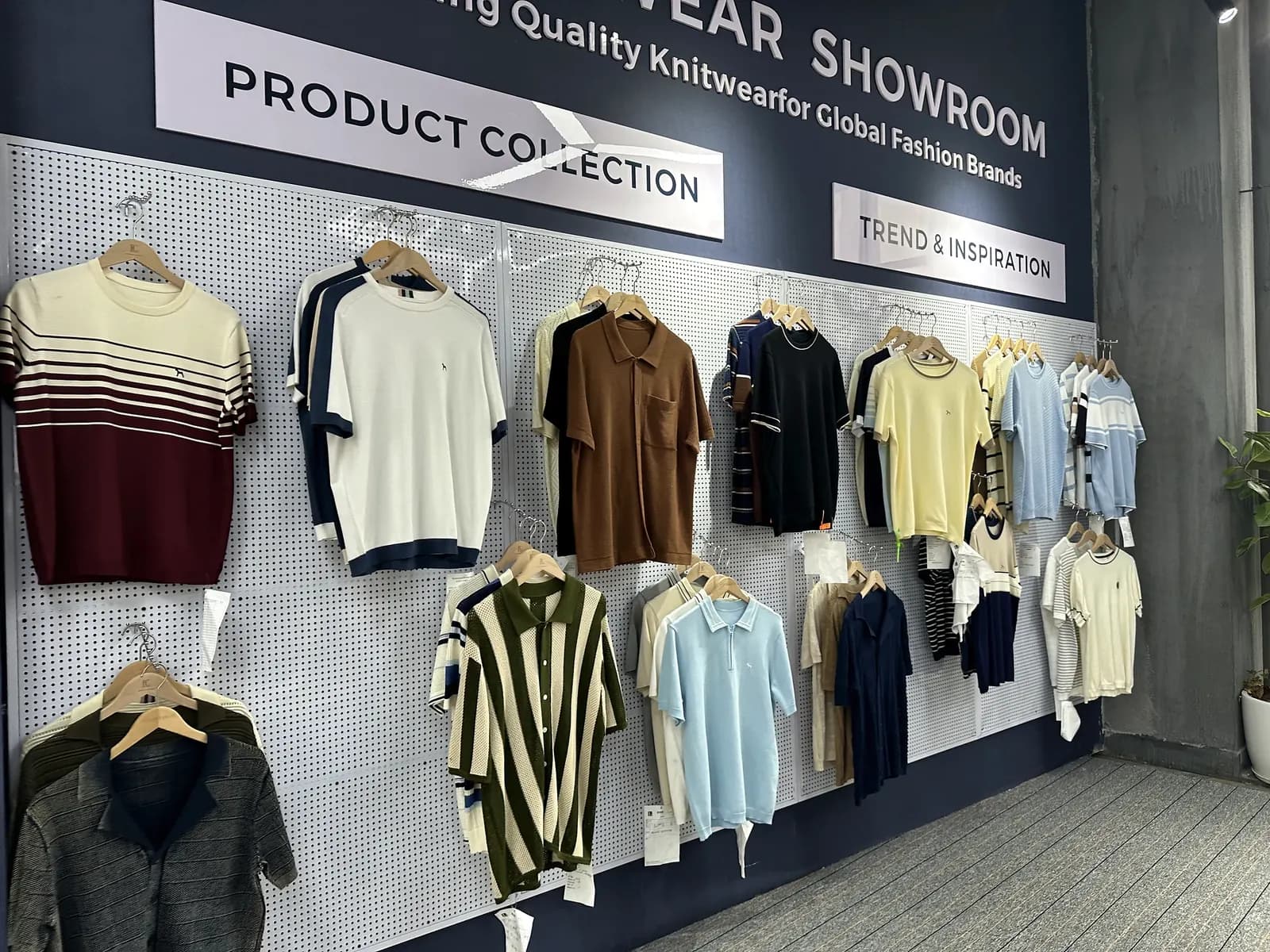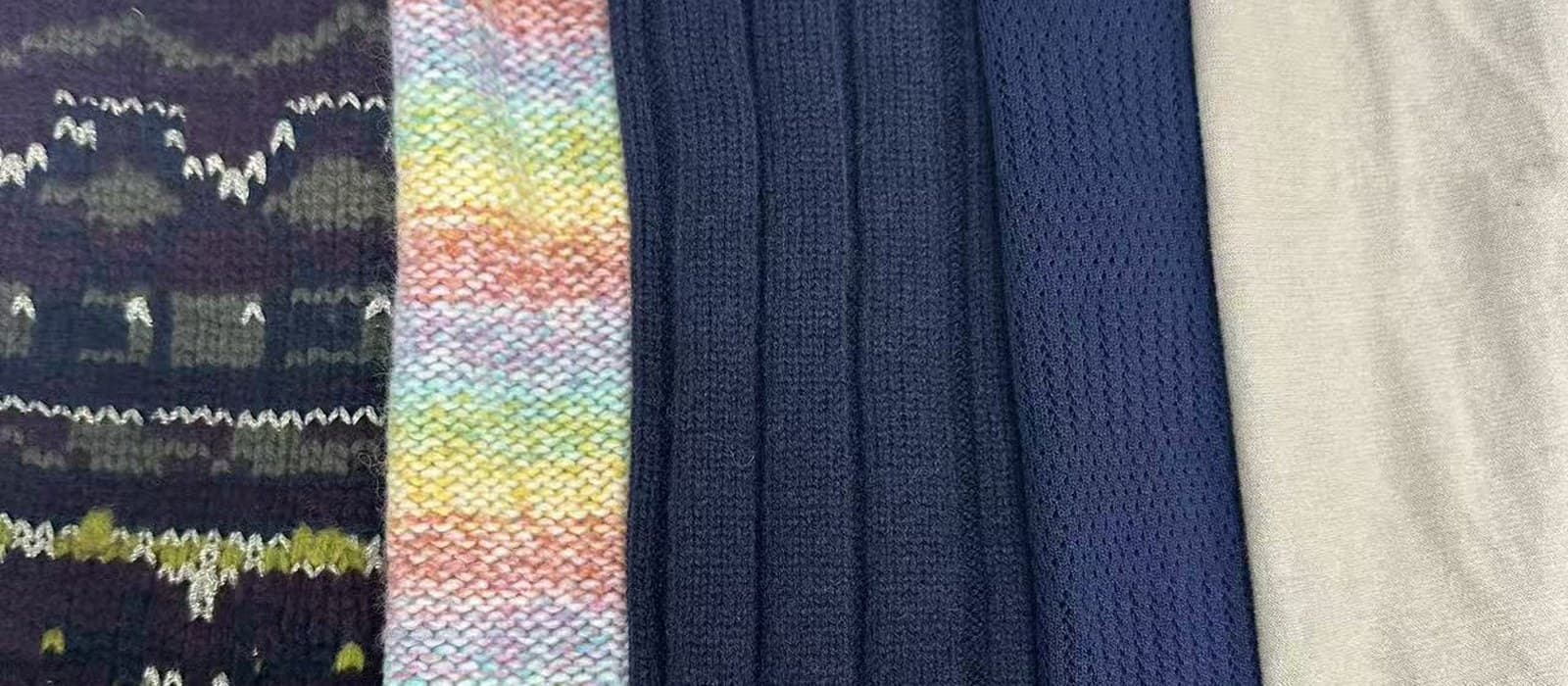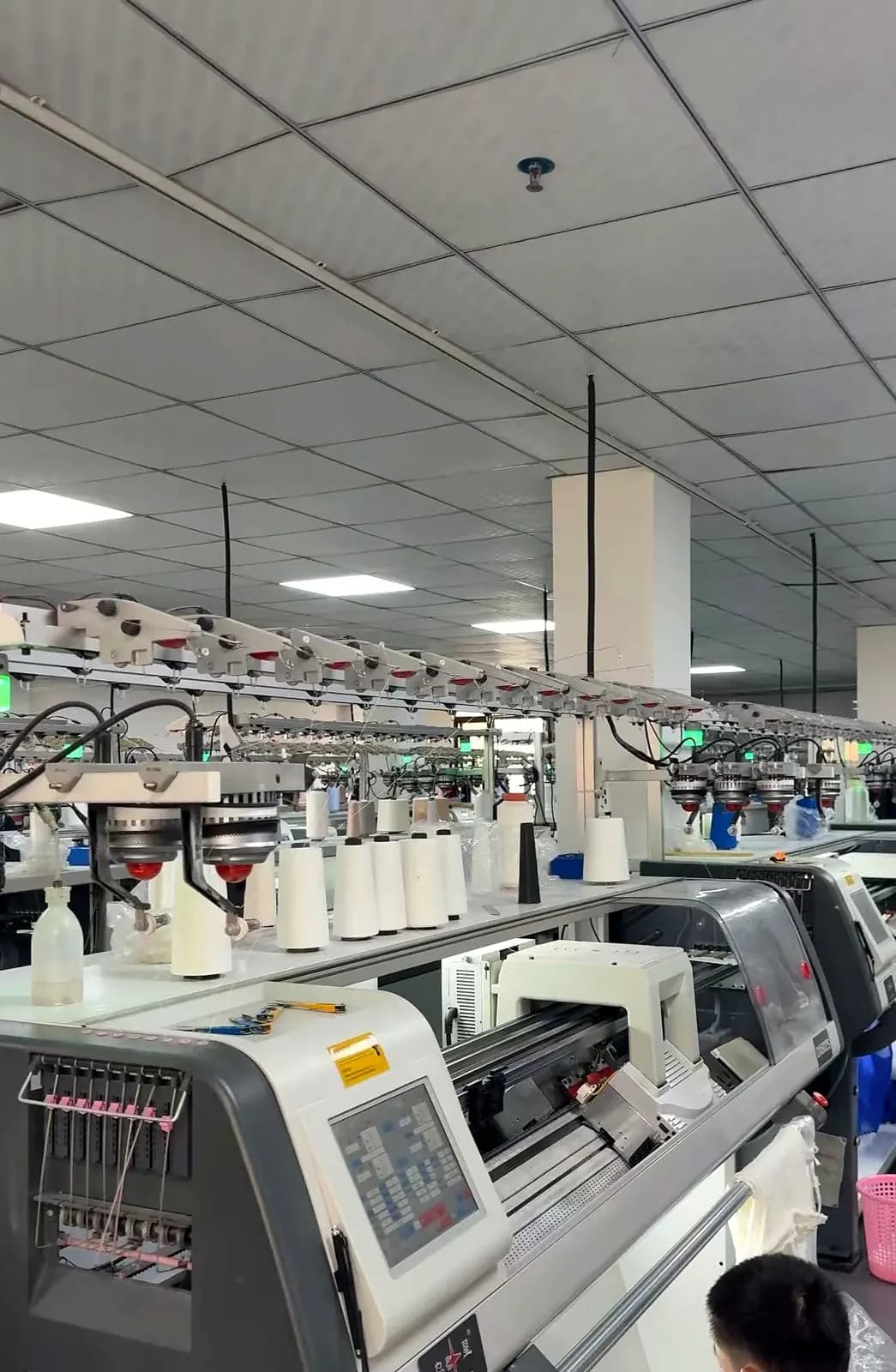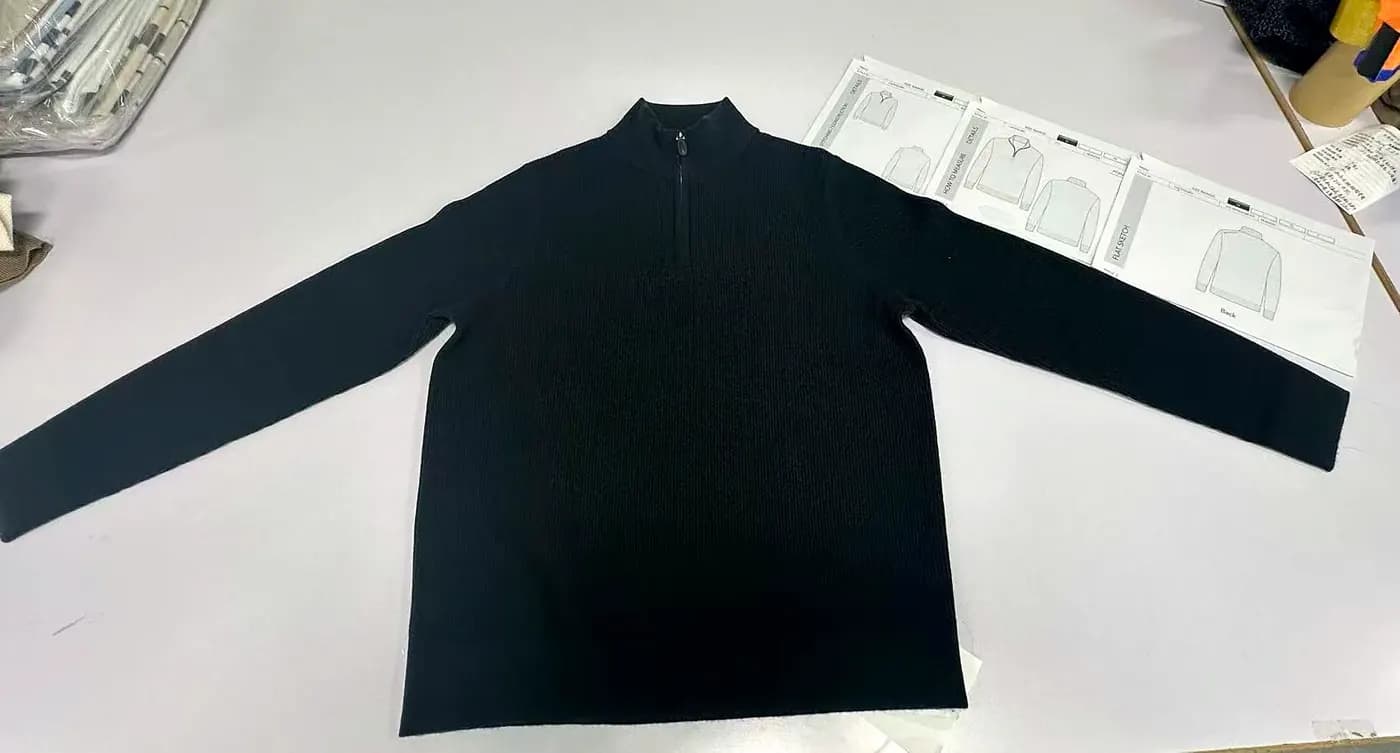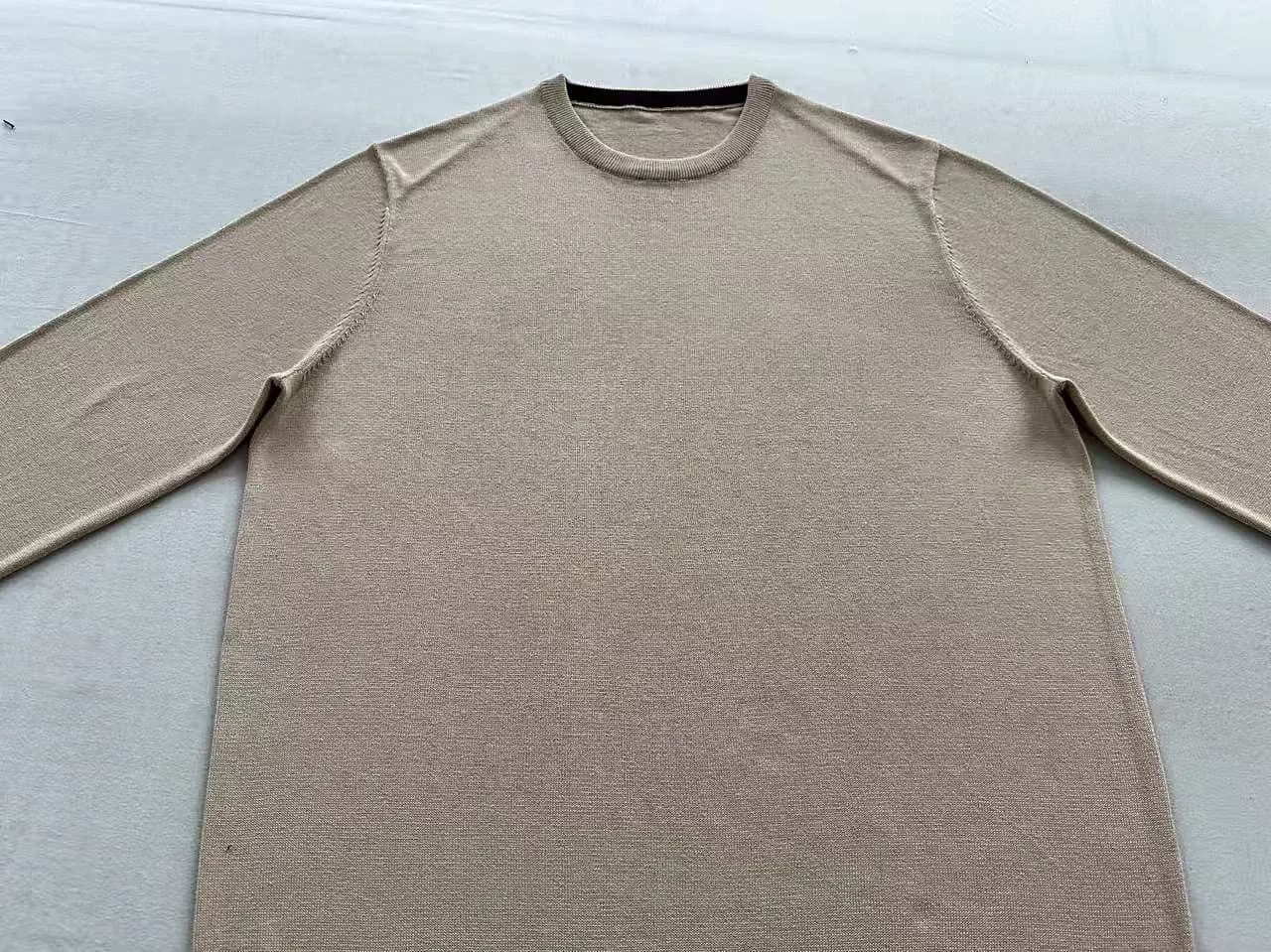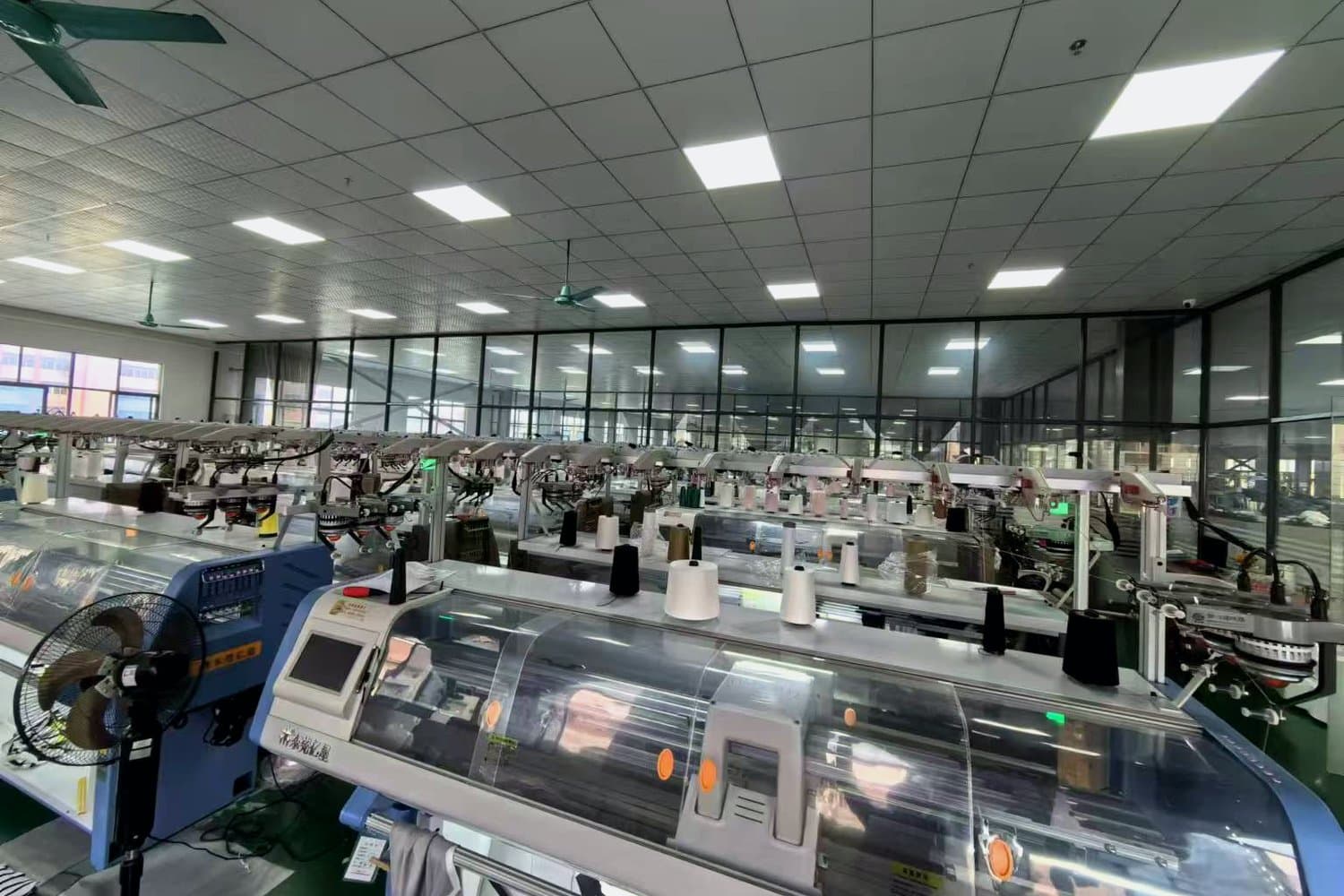
We focus on men's sweaters, cardigans, knit jackets, jacquard knitwear and private label knitwear. We support B2B buyers with OEM/ODM development, sampling and bulk production planning.
面向 B2B 买家的定制针织制造、材料、产品开发与品质控制指南。
Craftsmanship
面向开发图案毛衣、花型开衫与定制图案的品牌,对比提花与嵌花针织工艺的实操指南。
阅读指南 ->Product Development
如何开发男士半拉链与四分之一拉链毛衣:从拉链与领型选择到纱线和针型,助力 B2B 品牌打造商务运动风针织系列。
阅读指南 ->Comparison
Every first knitwear order has two routes, and factories rarely publish the second one. From a tech pack a sample takes about 15-25 days; from a style that already exists, about 7. The minimum, the bulk lead time, the labelling and the QC route are identical either way. What changes is where the first physical garment comes from - and what you give up by not starting from a blank sheet.
阅读指南 ->Product Development
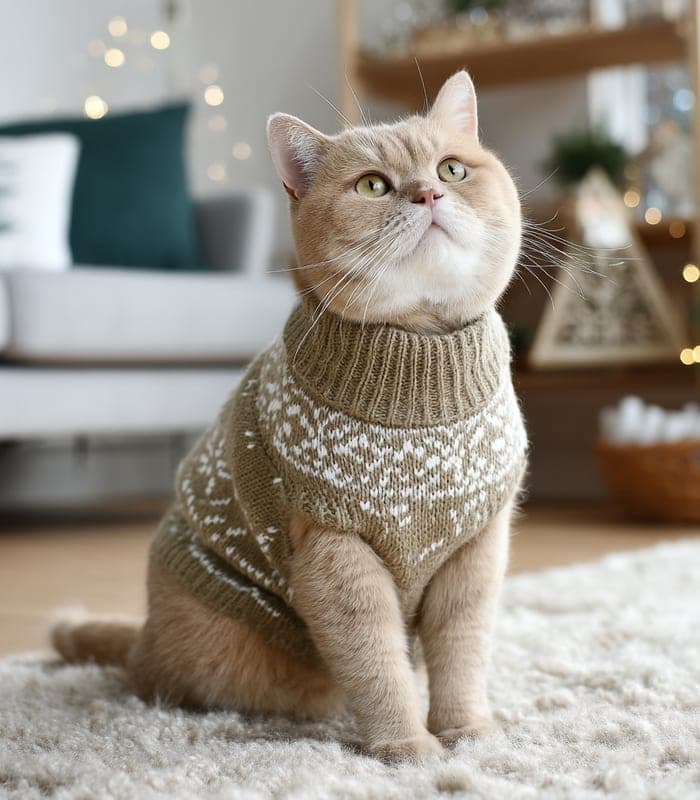
A pet knitwear sourcing read counted from our own published range: two separate size runs rather than one stretched chart, acrylic on 12 of 17 styles for wash durability, 10 of 17 at 7GG-12GG, and why the harness opening has to be on the tech pack before knitting.
阅读指南 ->Product Development
面向 B2B 服装品牌开发男士针织 polo 的实操指南,涵盖领型、门襟、纱线与针型,适用于春夏与全年系列。
阅读指南 ->Comparison
Knitted-in or applied: which route a pattern, logo or motif should take on a knit garment, what each costs, the gauge and colour-count limits, and the tests that catch failures late.
阅读指南 ->为 B2B 品牌提供童装针织生产指南,涵盖安全合规、尺码、材质选择与设计要点。
7 min read - Guide
面向秋冬市场的针织外套开发指南,适合规划棒球领、立领拉链及混合外层款式的买家。
6 min read - Guide
如何开发针织飞行员夹克、衬衫外套及针织外套混搭款,涵盖结构、闭合方式、纱线与产品定位,专为 B2B 品牌而写。
5 min read - Guide
AW27 women's knitwear from the factory floor: five directions with gauge, yarn booking pressure and published FOB medians. 7GG is the AW workhorse (32 of 65 women's styles); the cashmere base yarn is a $20-per-piece decision; a knit set costs nearly double a knit dress.
8 min read - Guide
A precise read of which EU rules bind a knitwear programme in 2026 and which bind somebody else. The 6 August 2026 REACH formaldehyde date does not apply to consumer knitwear — entry 77 excludes articles covered by entry 72, where the limit is 75 mg/kg and has been since 2020. Plus the ESPR unsold-goods ban (large companies only), the real textile EPR timeline, GPSR, and what is not law at all.
6 min read - Guide
大多数采购经理都是用昂贵的方式学会 LCL 与 FCL 的区别:在临界订单上订错舱位,然后眼睁睁看着目的港费用吃掉所有节省的运费。针织品让这个决定比看起来更棘手——毛衣体积大却几乎不占重量,所以货代常说的“15 CBM 以下走拼箱”这种标准建议,必须先换算成件数、纸箱数和你能承受的交期弹性,才在你的报表上有意义。本文围绕一票典型的针织品订单,从盐田或深圳发往美东或北欧的真实场景,详细拆解成本测算。我们会讲清楚:零售折叠 PVC 袋包装下每立方米能装多少件毛衣;一旦把目的港费用算进去,LCL/FCL 的真实盈亏平衡点落在哪里;拼箱比整柜多出的 5–10 天运输时间会如何影响你的上架日期;以及货代在初始报价中悄悄遗漏的费用项目。我们还会分析那些 CBM 测算里看不到的次级成本:拼箱因多次操作而增加的破损风险、海关查验时的滞箱风险,以及干净提单与 CFS 拆箱在清关代理工作量上的差别。读完之后,你应该能在 30 秒内扫一眼报价单和装箱清单,就判断出自己是不是要多付钱了。
5 min read - Guide
大多数首次入局的服装品牌低估了针织首发的两件事:技术包之前需要做多少决策;以及一旦缸号锁定,日历会变得多么不留情。本组合案例研究讲述了一个美国 D2C 品牌的 30 SKU 首发系列——没有内部技术设计师,股权融资紧张——并梳理了真正跑通的 90 天时间线。我们会讲到:第 1–2 周以纱线库实地走访替代技术包;ODM 开发阶段由我们的板房主导;PP 样品迭代;两个深色色样的补救过程;一款需要重新放码的方型外套;以及最终在第 14 周如期发运的大货生产窗口。重点不是品牌——这里不用真实名字,模式由我们多个回头客户的真实行为合成。重点是纪律:在技术包反复修改前先锁定色彩组合;把单色 30 件的 MOQ 当成特性而非负担;明白哪些环节值得花修改次数,哪些不值得。买家读完本文应能对成本、节奏,以及创始人本能想压缩时间线却反而代价更高的那些瞬间,建立现实的心智模型。
7 min read - Guide
Most small and mid-size brands have the same moment of confusion: you pay around 12 dollars for a development sample, then the bulk quote at 500 pieces comes back at around 7 dollars FOB. Your first instinct is suspicion — either the sample was padded or the bulk number is too good to be true. Usually it is neither. Knitwear is unusual among apparel categories because so many of the costs that drive a unit price are one-time setup costs: a yarn dye lot, machine programming, linking calibration, finishing line setup, QC time. When those costs are spread across one piece, you get the sample price. When they are spread across 500, you get the bulk price. This briefing walks through the cost stack honestly. You will see which line items are genuinely fixed, which scale with volume, where the realistic bulk-to-sample ratio sits (55-65 percent for the same SKU), what it means when the gap is wider or narrower than that, and how to negotiate sample charges down without bullying your factory into a number that will haunt the bulk PO. The goal is not to win the sample line — it is to read it correctly so you know what your true landed cost will be and whether the supplier is being straight with you.
6 min read - Guide
Shrinkage is the single most common reason a measurement-spec sweater fails inspection at final QC — and the failure almost always traces back to the sample stage, not the bulk run. Wool felts when scales lock together under moisture, heat, and agitation. Cotton swells in water and contracts as it dries, especially in heavier gauges where yarn tension is high. Both behaviors are predictable, both are controllable in production, and both need to be written into the purchase order before bulk knitting starts. This guide walks a QC lead through the physics of shrinkage in wool and cotton knit structures, the production controls Licheng applies at yarn, panel, and finished-garment stages, the tolerance ranges buyers typically write into POs (commonly 1-3%), and the language to use on the PP sample approval form so bulk shrinkage liability is unambiguous.
7 min read - Guide
We focus on men's sweaters, cardigans, knit jackets, jacquard knitwear and private label knitwear. We support B2B buyers with OEM/ODM development, sampling and bulk production planning.
Ready sample styles and selected custom programs can support lower-risk trials before larger seasonal orders.
Yes. Brands, including new labels preparing a first collection, can pay for a sample and see it before placing a production order. Two routes: a ready sample of a published style at USD 60 per piece in about 7 days, or a development sample from your tech pack at USD 150 per style, covering yarn sourcing, knit programming, one prototype and one revision round, in 15-25 days. Cashmere and mohair styles are quoted individually and shipping is charged at cost. Production starts only after you approve the physical sample, at our minimum of 30 pieces per colour with sizes mixed inside the 30. A sample does not commit you to a production run; we do not make garments for personal use.
Our sample fee is not refundable. Yarn sourcing, knit programming, machine setup and hand linking cost about the same whether one piece follows or five hundred, which is why the fee exists at all. It is credited against your first bulk order placed within six months of sample approval: 100% of a development sample fee, 50% of a ready sample fee.
Yes, for brands developing a style. One development piece is fine, with no commitment to bulk: a development sample is USD 150 per style and covers yarn sourcing, knit programming, one prototype and one revision round, in 15-25 days (cashmere and mohair are quoted individually). If you then go to production, the minimum is 30 pieces per colour with sizes mixed inside the 30, and the full USD 150 is credited against a first bulk order placed within six months of approving the sample. We do not make garments for personal wear.
Plain and striped styles using the same yarn and colour can be combined toward a minimum of 30 pieces, with mixed sizes. For example, four plain styles of 25 pieces each in the same yarn and colour total 100 pieces and meet that minimum. Different yarns or colours are counted separately. Jacquard and intarsia require 30 pieces per pattern; quantities from different patterns cannot be combined. Send us your styles, yarns, colours and quantities so we can confirm how the minimum applies to your project.
Cannot find what you need? Our team can create a custom guide or template for your specific project.
Request Custom Resource ->