Bijgewerkt 18-8-202612 min readBy Simon Liu · Licheng Knitwear
How to manage knitwear reorders and scale production for growing B2B brands, covering consistency, pricing at scale and reorder-ready relationships.
Landing a successful first order is the start, not the finish. How you handle reorders and scale production determines whether a bestseller becomes a reliable revenue stream or a missed opportunity. This guide covers managing knitwear reorders and scaling production for growing B2B brands.
A reorder is not just "make it again." Yarn lots, lead times and pricing all shift at scale, and planning for that is what keeps a bestseller in stock.
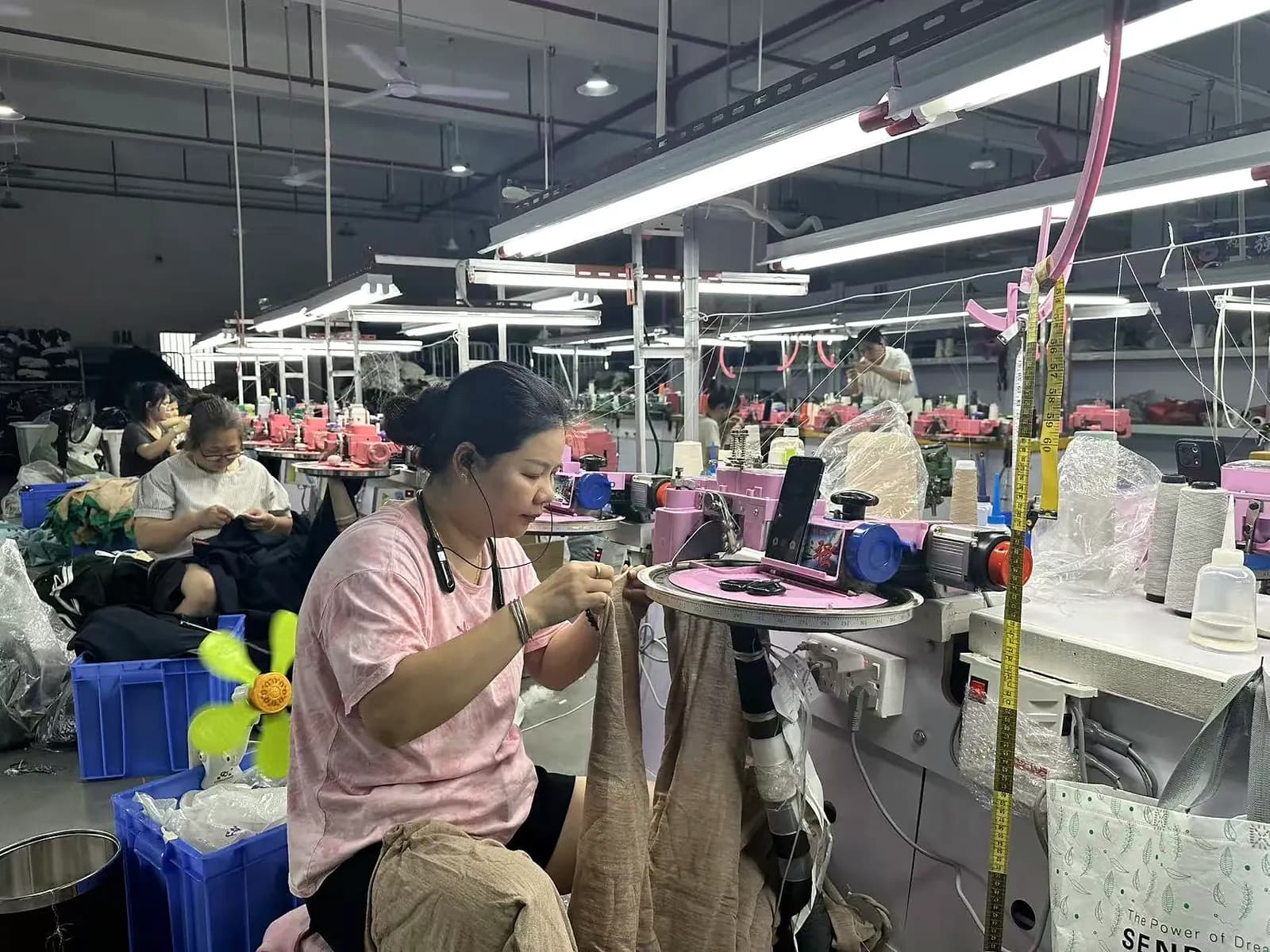
A reorder is not instant. It needs the same yarn lead time and production time as the original, plus attention to consistency, the reorder must match the first run. Brands that treat reorders as an afterthought run out of their bestseller at peak demand. Plan reorder windows into your seasonal calendar from the start.
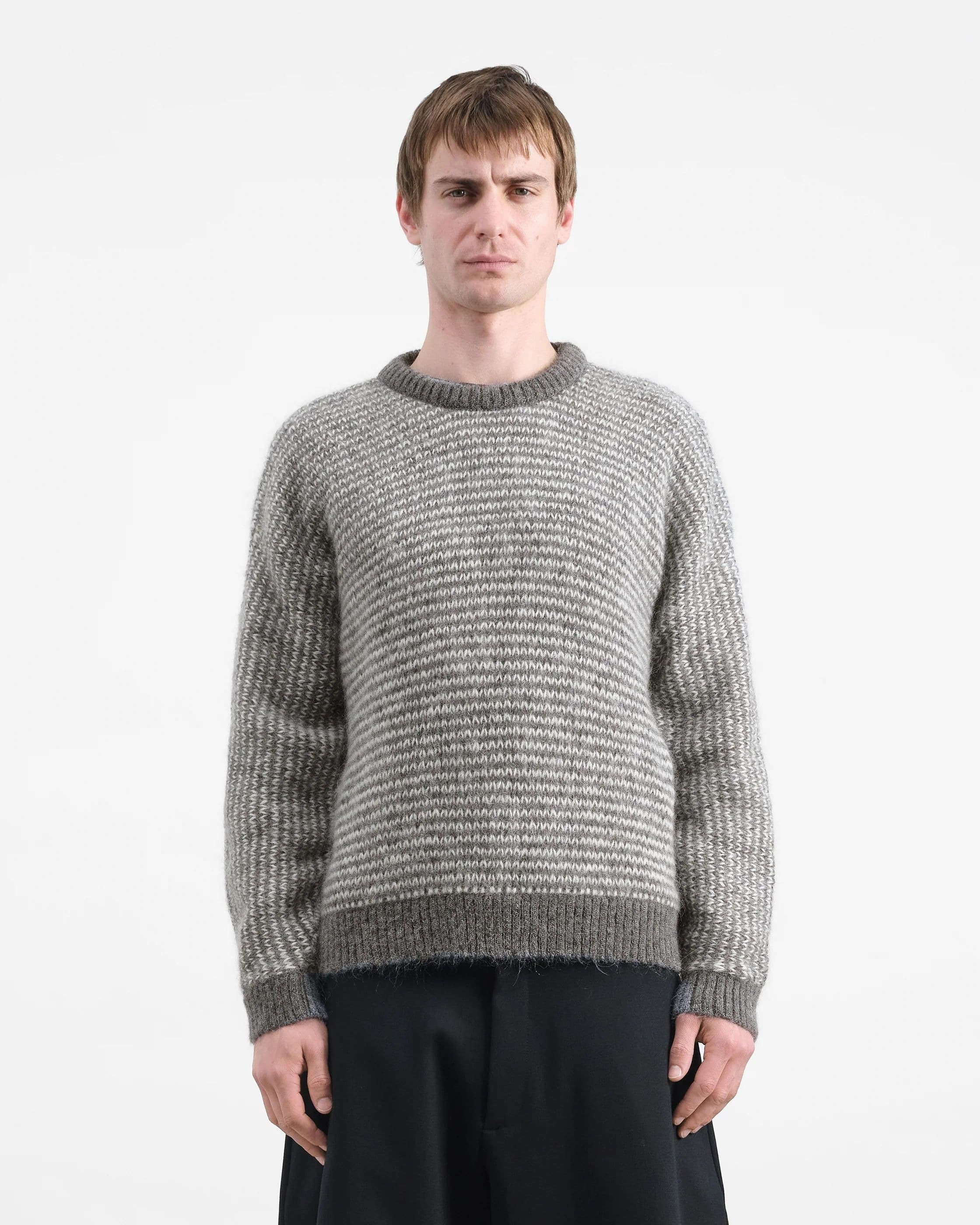
Core styles that reorder consistently are the backbone of a profitable range, consistency across runs is everything.
Ready to Start Your Project?
Get a free catalog or submit an RFQ today. Our team will respond within 24 hours.
The biggest reorder risk is variation between runs, especially color (different dye lots) and measurements. To keep reorders consistent:
Keep the approved PP sample as the reference standard for every run
Specify dye-lot matching or accept minor variation knowingly
Reorder enough to use a full dye lot where possible
Use the same factory so tooling and know-how carry over
Color shade variation between an original and a reorder is a common, visible problem, see our common quality problems guide.
How Pricing Changes at Scale
As volumes grow, unit economics improve: fixed costs (setup, sampling) spread across more units, and larger yarn purchases unlock better rates. Use scale to negotiate better pricing or move from stock to custom yarn, see our cost factors and MOQ guides. A growing relationship also tends to bring more favorable payment terms.
Scaling Smoothly
Stage
Focus
First order
Test demand, low risk
First reorder
Confirm consistency, refine fit
Scaling
Better pricing, custom yarn, more colors
Established
Planned seasonal buys, reliable reorders
As you scale, you can also move from ready or ODM styles toward full custom development on your bestsellers, see our OEM vs ODM guide.
Building a Reorder-Ready Relationship
The factory relationship is the asset that makes scaling smooth. A partner who knows your products, holds your reference samples, and communicates well can turn reorders around reliably. This is why choosing the right manufacturer for the long term matters more than chasing the lowest first-order price.
A Reorder Checklist
Plan reorder windows into the seasonal calendar
Keep approved PP samples as the standard
Specify dye-lot consistency
Use scale to improve pricing and terms
Stay with a factory that knows your products
Timing a Reorder: A Worked Example
The most common reorder mistake is placing the order too late. A reorder runs on the same clock as the original: yarn procurement, then sampling if anything changed (15–25 days), then bulk production (30–45 days), plus shipping. Work backwards from the date you need stock in your warehouse.
Say a merino crew neck sells through faster than expected and you want fresh stock on the shelf by October 1 for autumn. A realistic backward plan looks like this:
Milestone
Lead time
Target date
Stock needed in warehouse
—
Oct 1
Sea freight + customs
~30 days
ship by Sep 1
Bulk production
30–45 days
start by Jul 18
Confirm yarn lot + approve any sample change
15–25 days
confirm by Jul 5
Place reorder PO
—
early Jul
If your reorder is identical to the approved PP sample, you can usually skip new sampling and shorten the front of this timeline. The moment a reorder changes anything — a new color, a yarn swap, a gauge change from 7GG to 12GG — treat it as fresh development and rebuild the sampling stage. A "small" change still needs an approved sample before bulk.
Identical Reorder vs. Modified Reorder
Not every reorder is the same animal. Knowing which type you are placing sets the right expectation on lead time, price, and risk.
Factor
Identical reorder
Modified reorder
New sample needed
Usually no
Yes — re-approve PP sample
Lead time
Bulk only (30–45 days)
Add 15–25 days sampling
Color / dye lot
Match existing standard
New lab dip + bulk dye lot
Pricing
Same or improved at volume
Re-quote if yarn or gauge changes
Main risk
Dye-lot shade drift
Fit and hand-feel differences
Decision guidance: if a buyer wants only "more of the same," lock the approved PP sample as the standard and confirm dye-lot handling up front. If they want to evolve the style — a recycled-yarn version certified to GRS, a heavier 3GG chunky cut, or a softer cashmere blend — budget the sampling window and have the factory quote the change before committing to bulk. Bundling several modified styles into one development round is more efficient than drip-feeding changes one at a time.
Common Questions
Can I reorder fewer than the original quantity?
Yes — our MOQ stays at 50 pcs per style/color for reorders, so you are not forced into a larger commitment. That said, reordering enough to consume a full dye lot is the surest way to avoid visible shade variation between runs.
How long does a straight reorder take if nothing changes?
An identical reorder against an approved PP sample skips new sampling and runs on bulk production only, typically 30–45 days plus shipping. Place the PO early enough to clear that window before your in-stock date.
Will my reorder be a perfect color match to the first run?
A different dye lot can show minor shade variation, which is normal in knitwear. We hold your reference standard and can specify dye-lot matching; reordering in larger blocks to use one dye lot is the most reliable way to keep color consistent.
Licheng Knitwear supports reliable reorders and scaling for growing B2B brands, holding reference standards and offering better terms as volumes grow. Request a quote or browse our products.
---
Talk to our team about this
If you're planning a real project around any of the points above, we'd be glad to take a quick look. Send a short brief and we'll come back within one business day with a practical direction, MOQ + lead time estimate, and a sample plan if it makes sense.
When anything changes - a new colour, a yarn swap or a gauge change - treat it as fresh development and approve a sample again. An identical reorder against the approved PP sample usually skips sampling.
Work backwards from the date stock is needed: allow for yarn confirmation and any sample change of 15-25 days, bulk production of 30-45 days, and sea freight and customs of around 30 days. For stock on the shelf by 1 October, that means placing the PO in early July.
Keep the approved PP sample as the reference standard, specify dye-lot matching, reorder enough to use a full dye lot where possible, and stay with the same factory so the programme and know-how carry over.
Usually. Fixed costs such as set-up and sampling spread across more units, and larger yarn purchases unlock better rates. Scale can also be used to move from stock to custom yarn, and a growing relationship tends to bring more favourable payment terms.
On an identical reorder, shade drift between dye lots. On a modified one, differences in fit and hand-feel - which is why a modified reorder is re-sampled and re-quoted if the yarn or gauge changes.
We focus on heren truien, cardigans, gebreide jacks, jacquard knitwear en private label knitwear. We ondersteuning B2B-kopers met OEM/ODM ontwikkeling, sampling en bulkproductie planning.
B2B breigoedfabrikant | OEM/ODM en private label | Export naar Noord-Amerika en EuropaE-mail: info@lcgarment.cn | Tel: +86 151 7024 4792