REACH & Restricted Substances in Knitwear: The EU Chemical Compliance Buyer's Guide
Aktualisiert 19.9.202612 min readVon Simon Liu · Licheng Knitwear
What REACH (Reg. 1907/2006) restricts in knitwear — azo dyes/aromatic amines, CMR/disperse dyes/phthalates, nickel on trims, formaldehyde — plus SVHC/SCIP duties, how OEKO-TEX covers most of it, and a buyer test-report checklist.
Quick answer — what REACH means for knitwear sold in the EU: REACH (Reg. 1907/2006) restricts certain chemicals in textiles through Annex XVII. The ones that catch knitwear: azo dyes that can release carcinogenic aromatic amines (Entry 43 — restricted in textiles with skin contact), a list of CMR substances incl. disperse dyes and phthalates (Entry 72), nickel release from metal trims like zips and buttons (Entry 27), and formaldehyde used in some finishes. Separately, if an article contains more than 0.1% by weight of an SVHC (Substance of Very High Concern), you have information and SCIP database obligations. None of this is optional — it's EU law, enforced at customs and by market surveillance. The practical move is simple: source from a supplier who already tests to these limits (OEKO-TEX Standard 100 covers most of them) and can hand you the test reports. The breakdown and a buyer checklist are below.
1. What REACH Annex XVII actually restricts in knitwear
REACH is the EU's chemicals regulation; its Annex XVII is the list of restrictions that apply to finished articles — including the dyes, finishes and trims on a sweater. The entries that matter for knitwear:
Entry 43 — azo dyes / aromatic amines. Certain azo dyes can break down into carcinogenic aromatic amines. They're restricted in textiles that come into contact with skin (the limit is very low — around 30 mg/kg for the relevant amines). This is the single most-tested REACH item for apparel.
Entry 72 — CMR substances in clothing and textiles. A list of substances that are carcinogenic, mutagenic or toxic to reproduction (CMR), including certain disperse dyes (restricted above ~50 mg/kg) and phthalates (CMR phthalates capped around 1000 mg/kg total). Applies to clothing and textiles in skin contact.
Entry 27 — nickel. A migration limit on nickel released from metal parts in prolonged skin contact — relevant to zip pulls, buttons, rivets and metal trims on cardigans and knit jackets.
Formaldehyde. Used in some easy-care/anti-shrink finishes; restricted/limited and routinely tested, especially for next-to-skin and children's items.
2. SVHC and the SCIP database (the one people miss)
Beyond Annex XVII, REACH maintains a Candidate List of Substances of Very High Concern (SVHCs). If an article contains an SVHC above 0.1% by weight, the supplier/importer has to communicate that down the chain and — for articles placed on the EU market — submit data to the EU's SCIP database (run by ECHA). For most plain knitwear this rarely triggers, but trims, coatings and some finishes can, so it's worth confirming your supplier checks.
3. How OEKO-TEX makes this manageable
Here's the practical shortcut: OEKO-TEX® Standard 100 tests finished textiles against a list of harmful substances that already covers the main REACH items — restricted azo dyes/amines, formaldehyde, nickel release, phthalates and more, often to limits stricter than the law. So a garment certified or produced to OEKO-TEX Standard 100 is, in practice, already lined up with the REACH restrictions buyers care about. It doesn't replace REACH, but it's the most efficient evidence that the chemistry is under control. (See our certifications guide for how the standards fit together.)
4. The buyer's REACH checklist for knitwear
What to confirm
Why it matters
What a ready supplier provides
Azo dye / aromatic amine testing (Entry 43)
Carcinogenic-amine risk; most-enforced item
Test report on the dyed fabric
CMR / disperse dye / phthalate limits (Entry 72)
EU restriction on clothing in skin contact
Test report covering the relevant substances
Nickel release on metal trims (Entry 27)
Zips, buttons, rivets in skin contact
Trim test report / compliant trim sourcing
Formaldehyde in finishes
Limited, routinely tested
Finish test report
SVHC > 0.1% / SCIP
Information + SCIP database duty
Confirmation of SVHC screening
OEKO-TEX Standard 100
Covers most of the above efficiently
Valid certificate + scope
A clean approach: specify OEKO-TEX-grade yarn and trims up front, and ask for the relevant test reports on the actual fabric and trims before bulk — not a generic certificate for a different article.
5. How Licheng handles chemical compliance
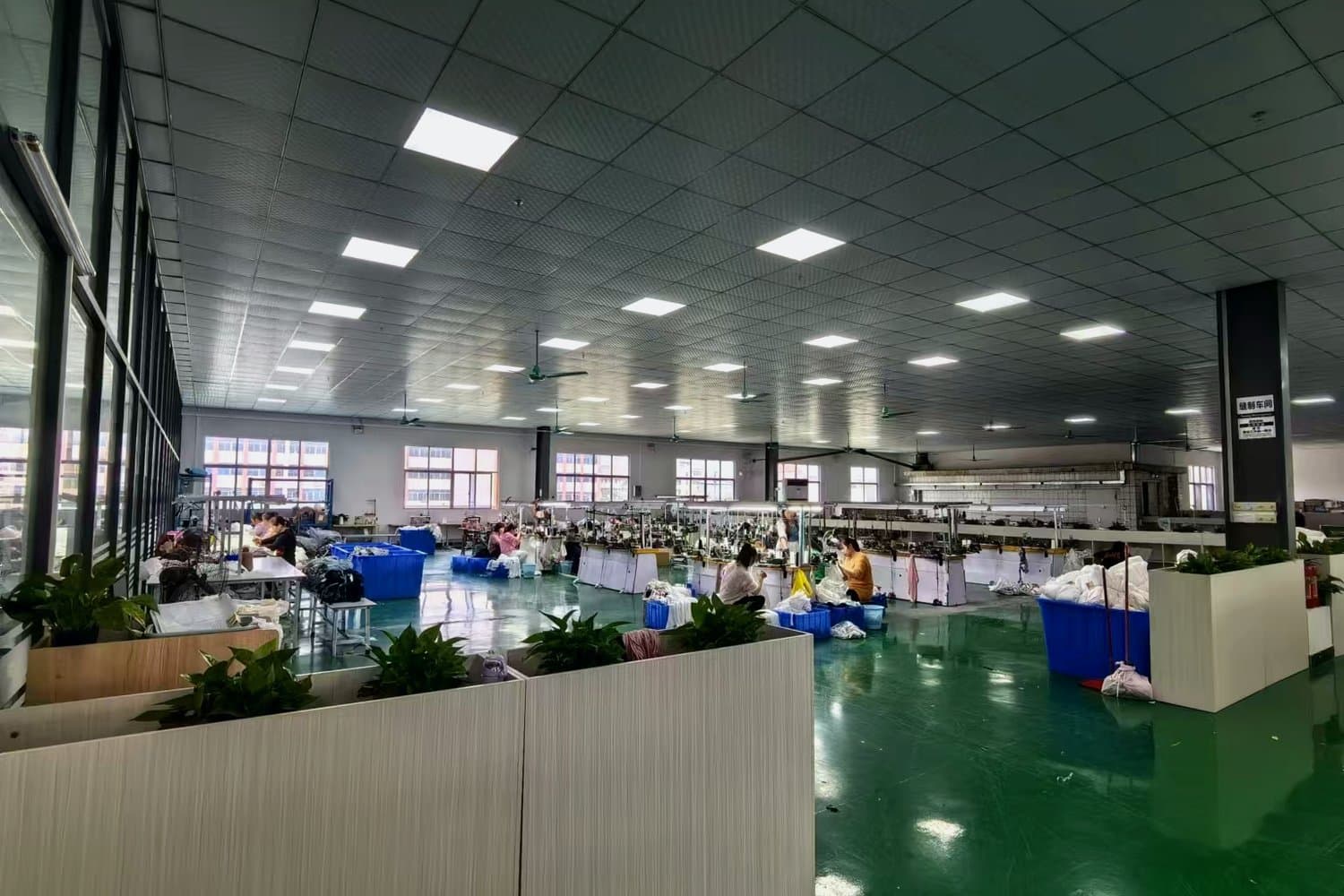
Because our buyers ship into Europe and North America, we produce to OEKO-TEX Standard 100 processes and work with yarn and dye houses that hold their own scope certificates, so the restricted-substance items above are controlled at source. We can provide the relevant test reports (azo/amines, formaldehyde, nickel on trims, phthalates) on the actual materials for your project, alongside the EU Authorized Representative and packaging-EPR basis on our Trust Center. It means the chemistry is documented before bulk, not discovered at customs.
Send a tech pack and your destination markets and we'll come back with a quote plus the test documentation your buyer or retailer will want. Request a quote →
Common Questions
Does REACH apply to clothing and knitwear?
Yes. REACH (Reg. 1907/2006) restricts certain substances in finished textiles through Annex XVII — notably azo dyes/aromatic amines (Entry 43), CMR substances including disperse dyes and phthalates (Entry 72), nickel release from metal trims (Entry 27), and formaldehyde. It applies to anything placed on the EU market.
If I have OEKO-TEX, am I REACH-compliant?
OEKO-TEX Standard 100 tests against most of the REACH-restricted substances, often to stricter limits, so it's strong evidence the chemistry is controlled — but it doesn't legally replace REACH. Keep the relevant test reports and confirm any SVHC/SCIP points.
What is the SCIP database?
A database run by ECHA. If an article contains a Candidate-List SVHC above 0.1% by weight and is placed on the EU market, suppliers must submit information about it to SCIP. Most plain knitwear doesn't trigger it, but trims and coatings can.
Which knitwear components fail REACH most often?
Dyed fabric (azo dyes/amines), certain prints (disperse dyes/phthalates), and metal trims (nickel) are the usual culprits. Asking for test reports on the actual dyed fabric and the actual trims — not a generic certificate — is the best protection.
Do children's knit items have stricter rules?
Effectively yes — phthalate and formaldehyde scrutiny is higher for items in close or prolonged contact, and some markets add their own children's-product requirements. Flag children's items to your supplier so testing is specified accordingly.
---
Talk to our team about this
Planning an EU range and want the chemistry documented up front? Send your tech pack and destination markets and we'll reply within one business day with a practical direction, MOQ + lead time, and the test reports your market expects.
REACH restricts hazardous substances (SVHCs, azo dyes, certain chemicals) in textiles sold in the EU. Compliant knitwear stays within these limits.
Use tested materials (e.g. OEKO-TEX Standard 100), compliant dyes and finishing, and keep documentation. We produce to these standards.
No, but OEKO-TEX Standard 100 tests for many of the same harmful substances and helps demonstrate chemical safety alongside REACH.
Wir konzentrieren uns auf Herrenpullover, Cardigans, Strickjacken, Jacquard-Strickwaren und Private-Label-Strickwaren. Wir unterstützen B2B-Käufer bei OEM/ODM-Entwicklung, Mustererstellung und Serienproduktionsplanung.
Verfügbare Musterstile und ausgewählte kundenspezifische Programme ermöglichen risikoärmere Testläufe vor größeren Saisonaufträgen.
Ja. Marken, auch neue Labels vor ihrer ersten Kollektion, können ein Muster bezahlen und es ansehen, bevor sie einen Produktionsauftrag erteilen. Zwei Wege: ein Ready-Sample eines veröffentlichten Modells für USD 60 pro Stück in etwa 7 Tagen, oder ein Entwicklungsmuster nach Ihrem Tech-Pack für USD 150 pro Modell – inklusive Garnbeschaffung, Strickprogrammierung, einem Prototyp und einer Korrekturrunde – in 15-25 Tagen. Kaschmir- und Mohair-Modelle werden einzeln kalkuliert, der Versand wird zum Selbstkostenpreis berechnet. Die Produktion startet erst nach Freigabe des physischen Musters, ab 30 Stück pro Farbe, Größen innerhalb der 30 mischbar. Ein Muster verpflichtet Sie nicht zur Produktion; Kleidung für den privaten Gebrauch fertigen wir nicht.
Bereit, Ihr Projekt zu starten?
Fordern Sie einen Katalog an oder senden Sie heute eine Anfrage. Unser Team antwortet innerhalb von 24 Stunden.
MOQ, Lieferzeiten, Kostenspannen, Feinheitenwahl und Qualitätsprüfpunkte typischer OEM/ODM-Strickprogramme für Nordamerika und Europa. E-Mail eintragen — den Link schicken wir in 30 Sekunden.
Kein Spam. Abmeldung mit einer einzigen Antwort. Wir nutzen Ihre E-Mail ausschließlich, um Ihnen den Report zu senden und auf Wunsch das Sourcing-Gespräch fortzusetzen.
Die gezeigten Marken sind zuvor betreute OEM/ODM-Partner. Die Logos sind dekorativ und bedeuten keine aktuelle Empfehlung.