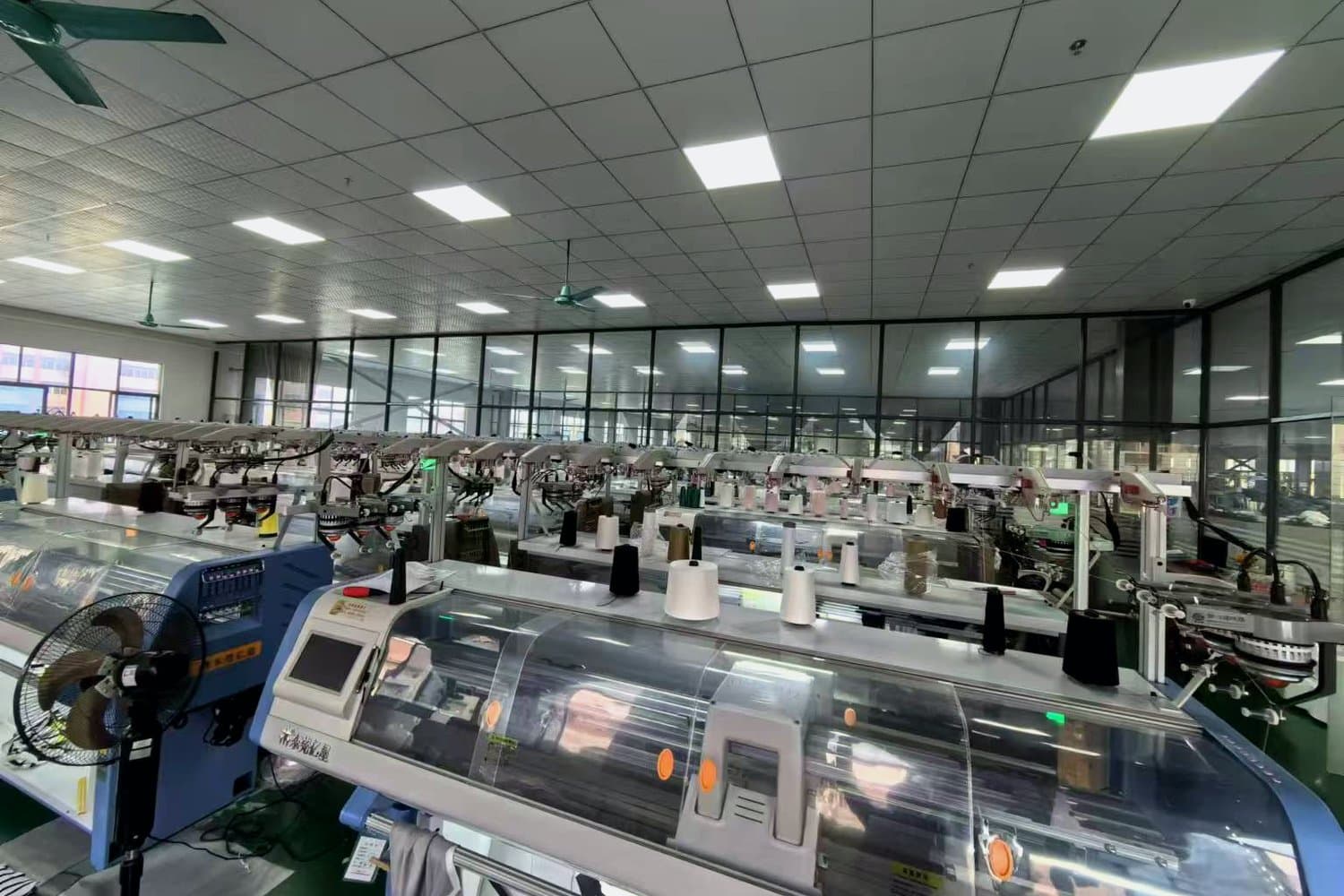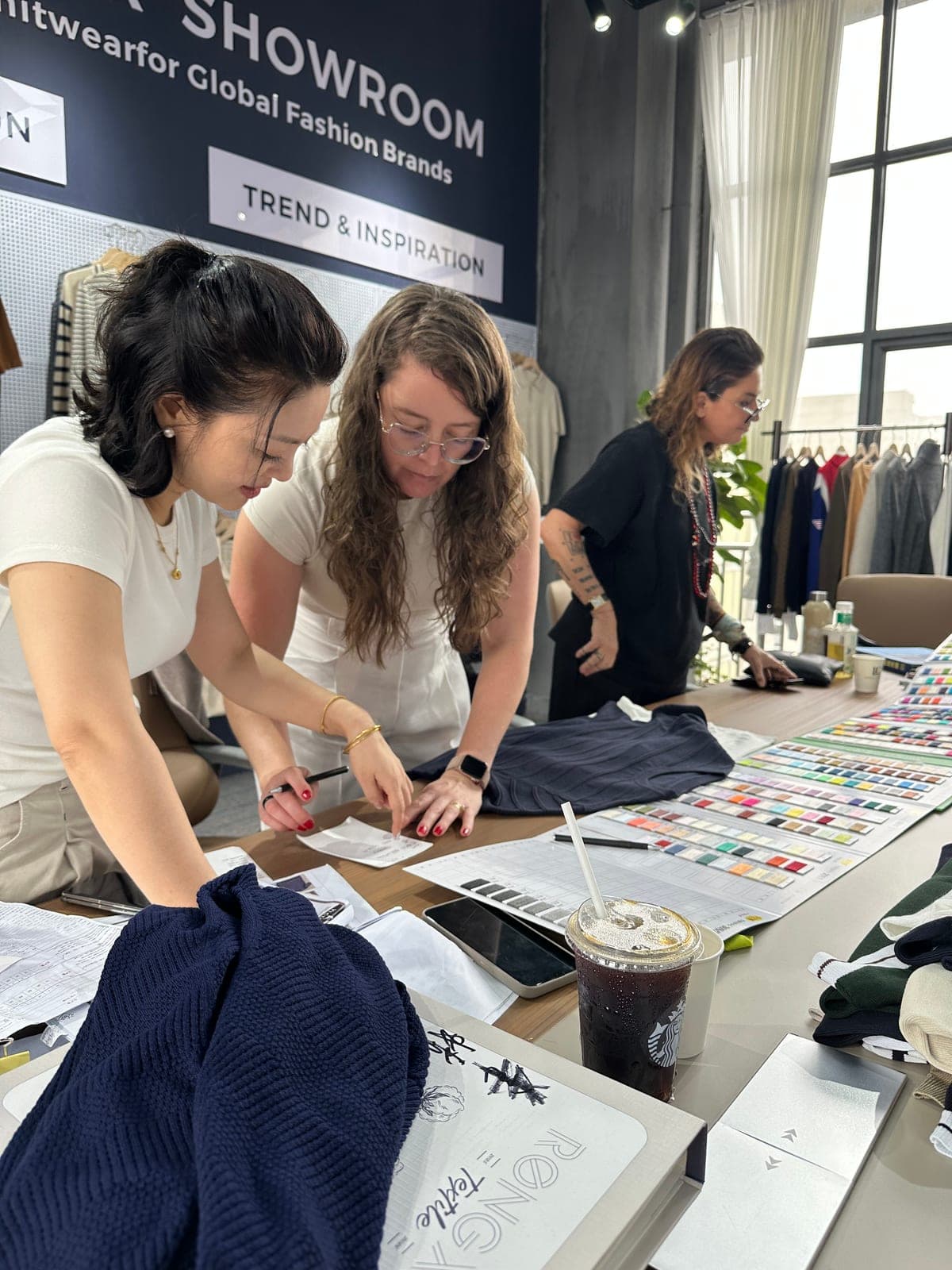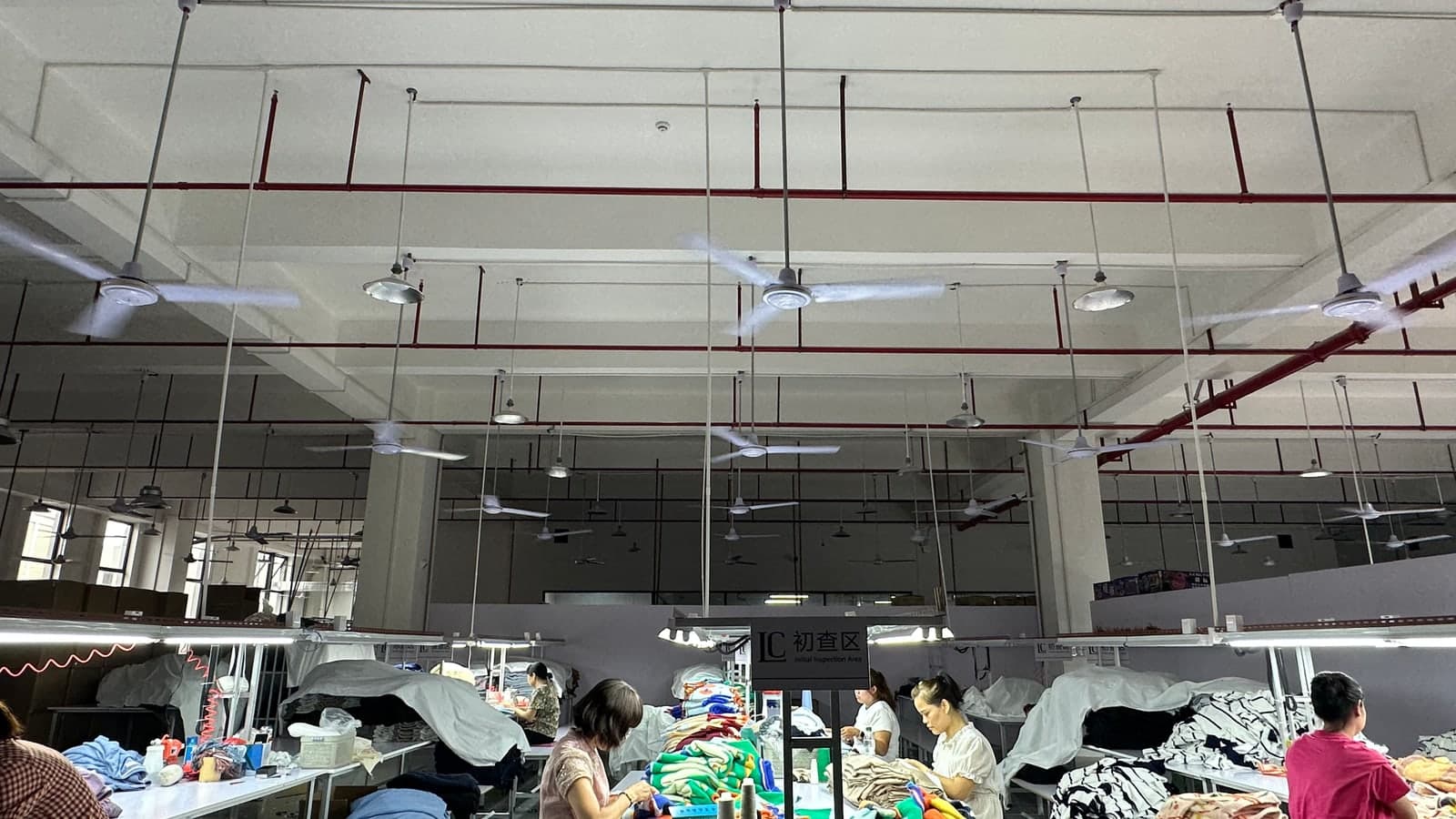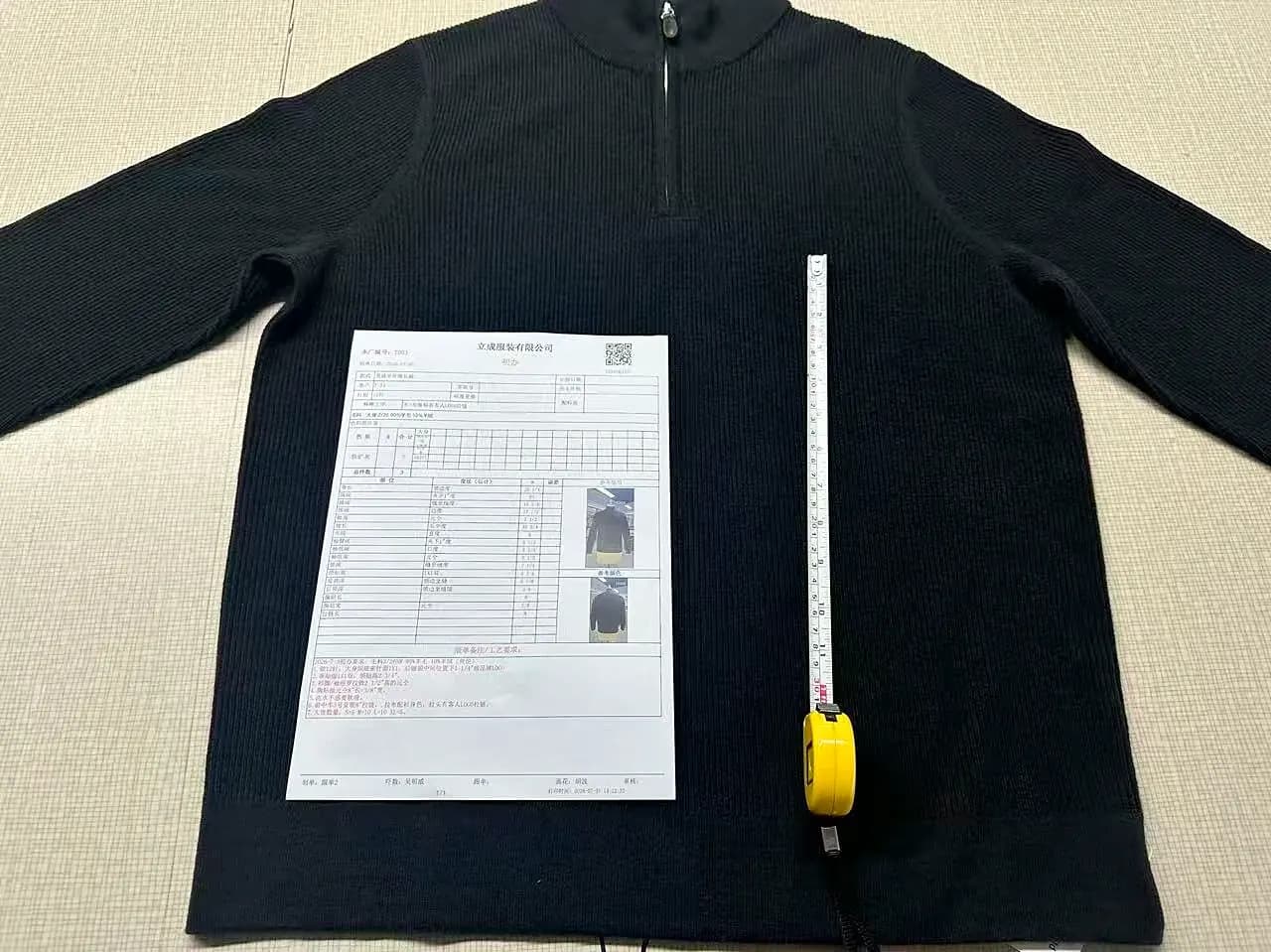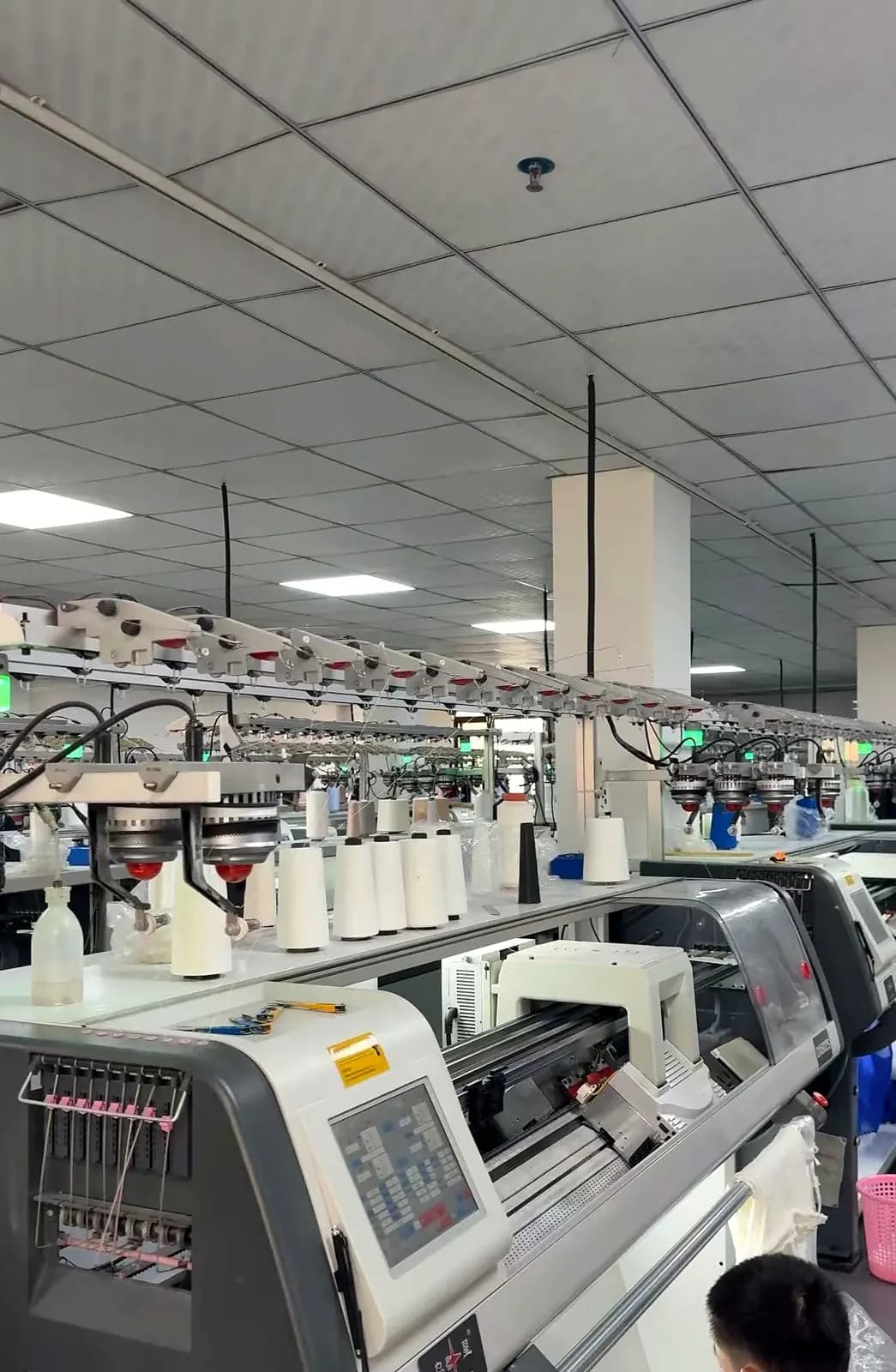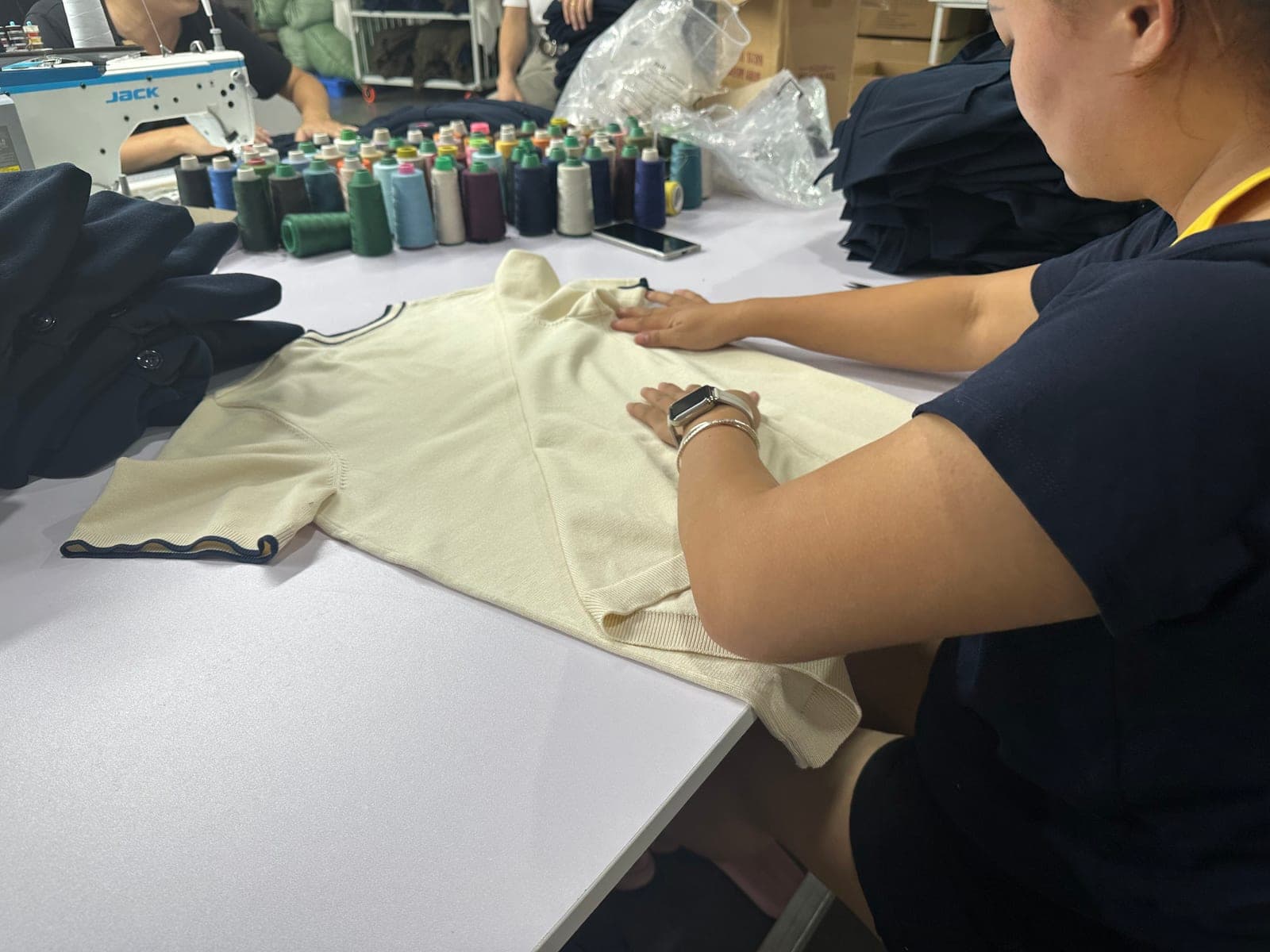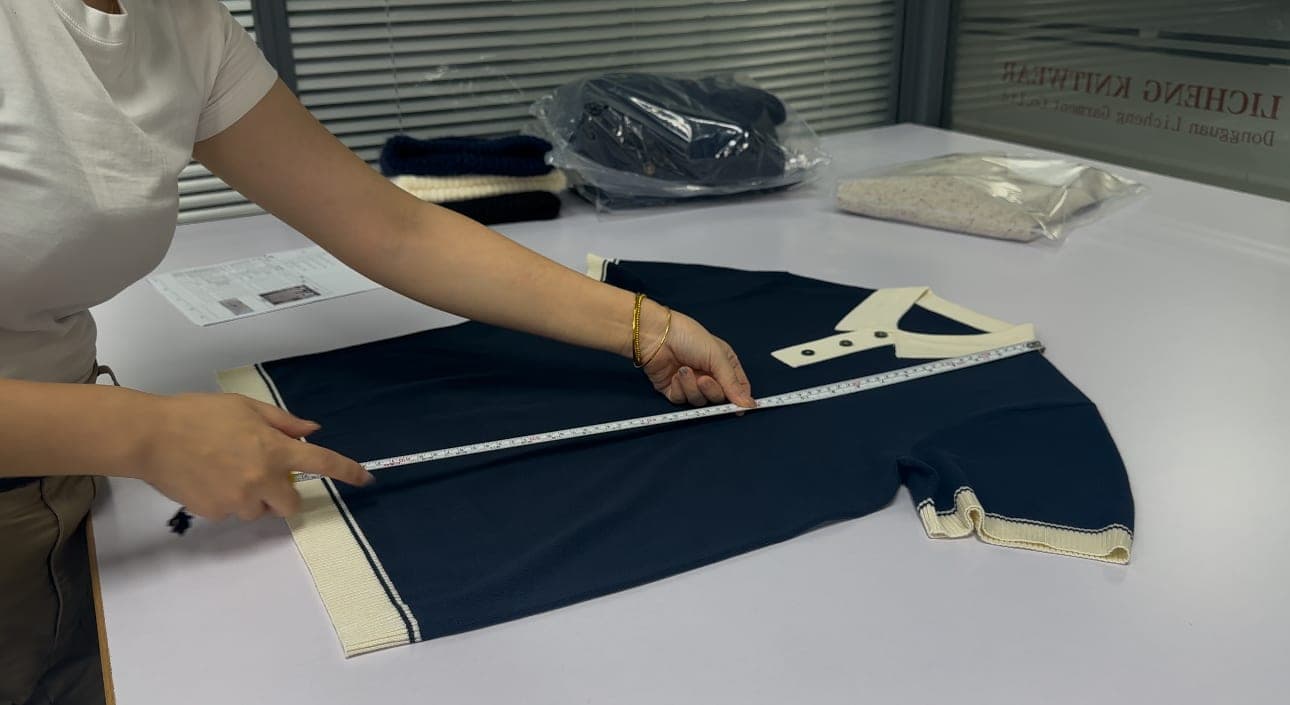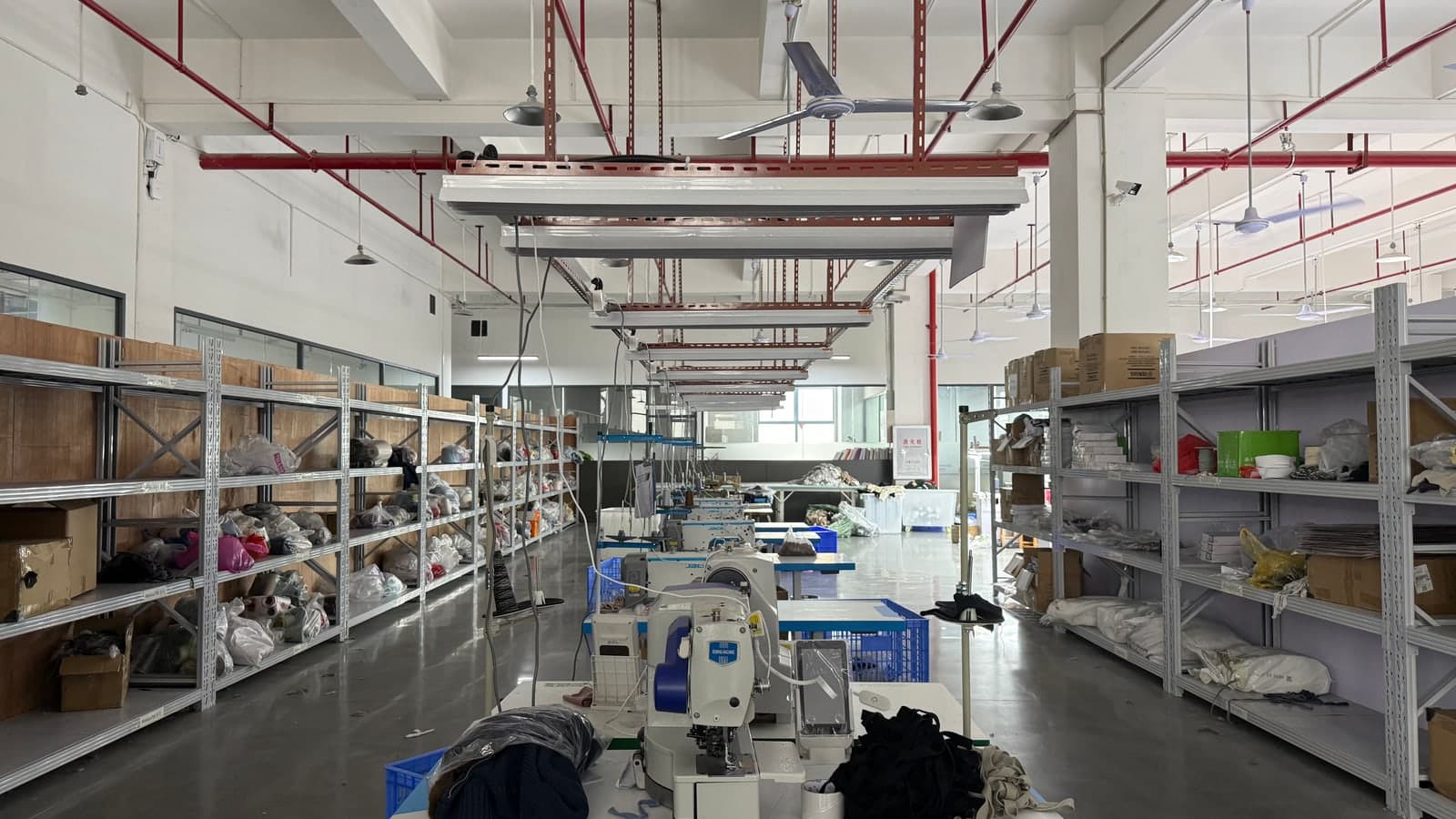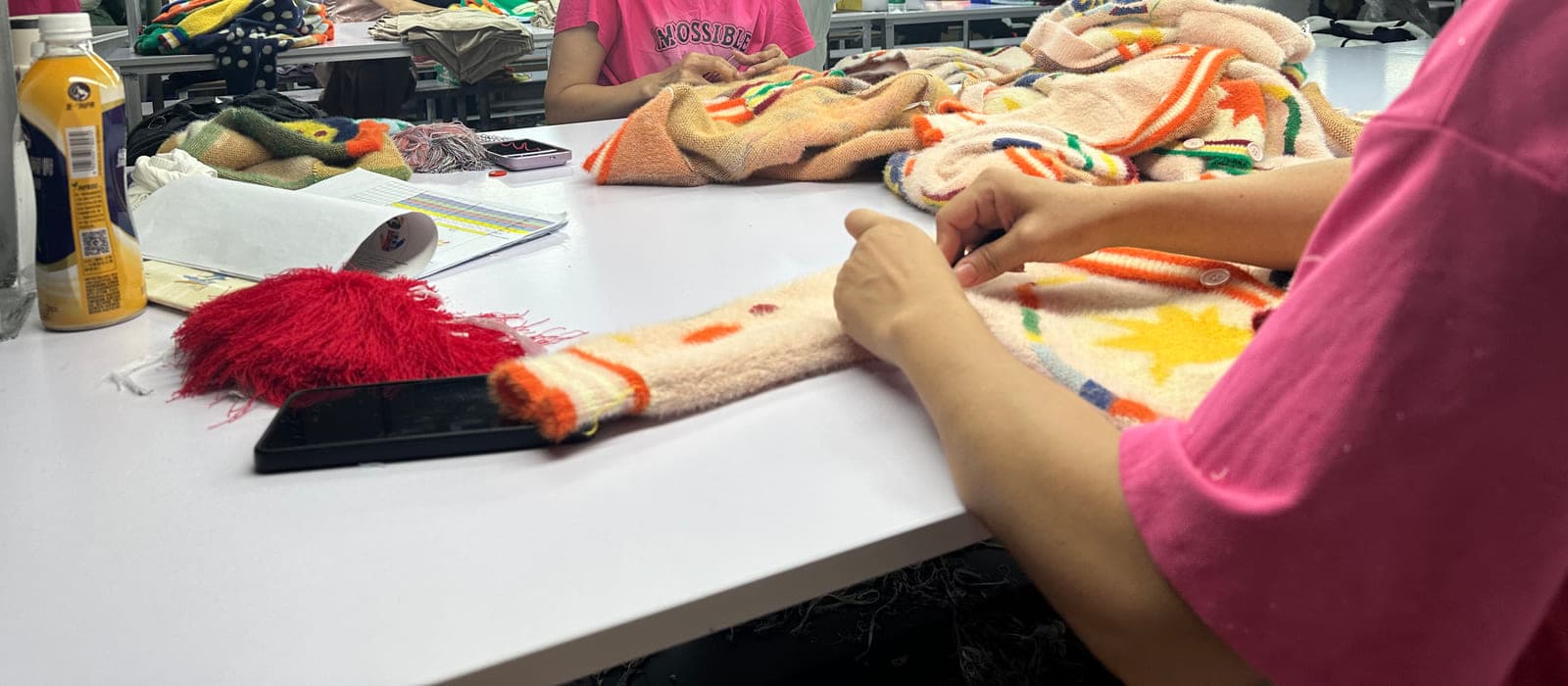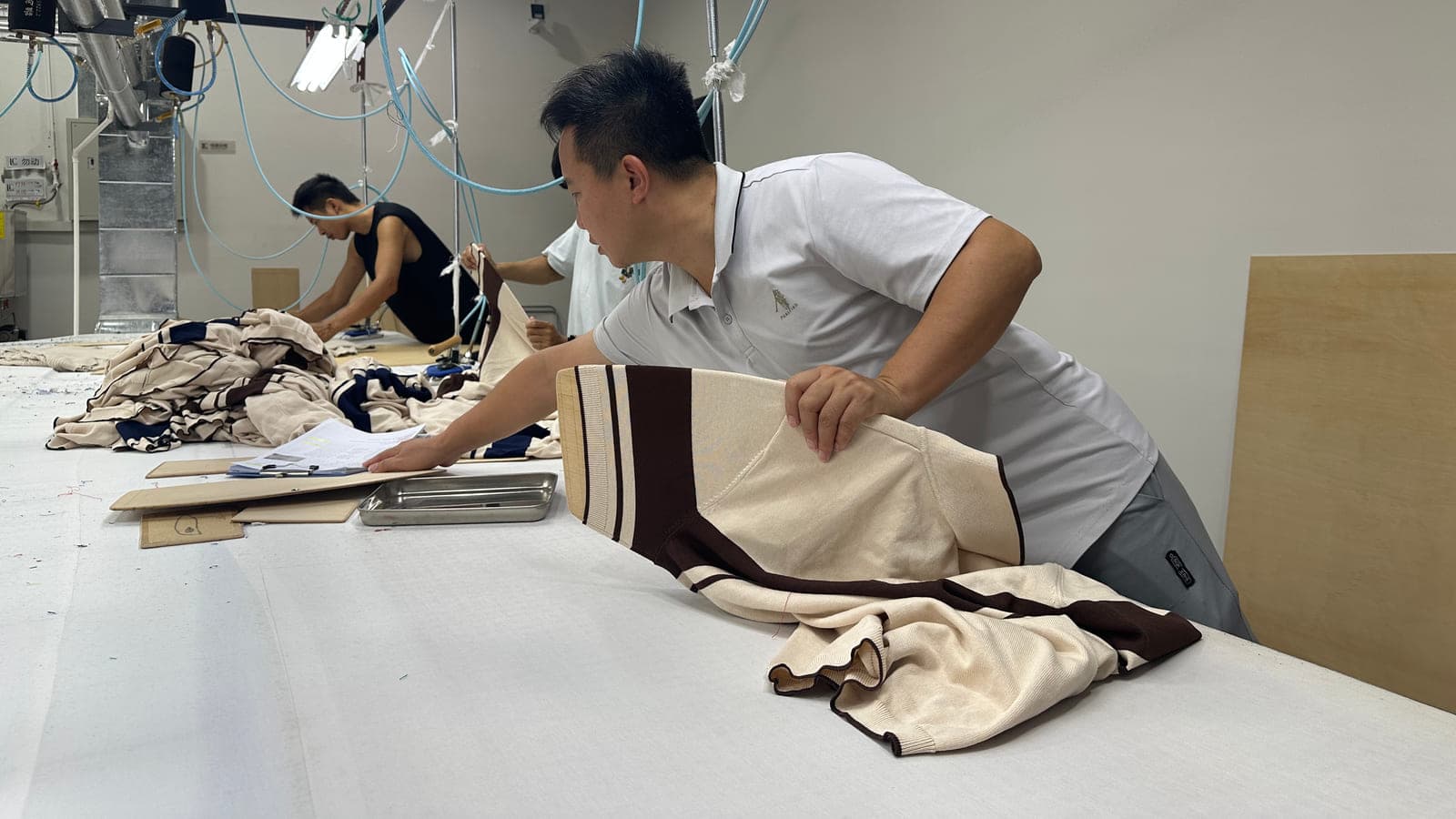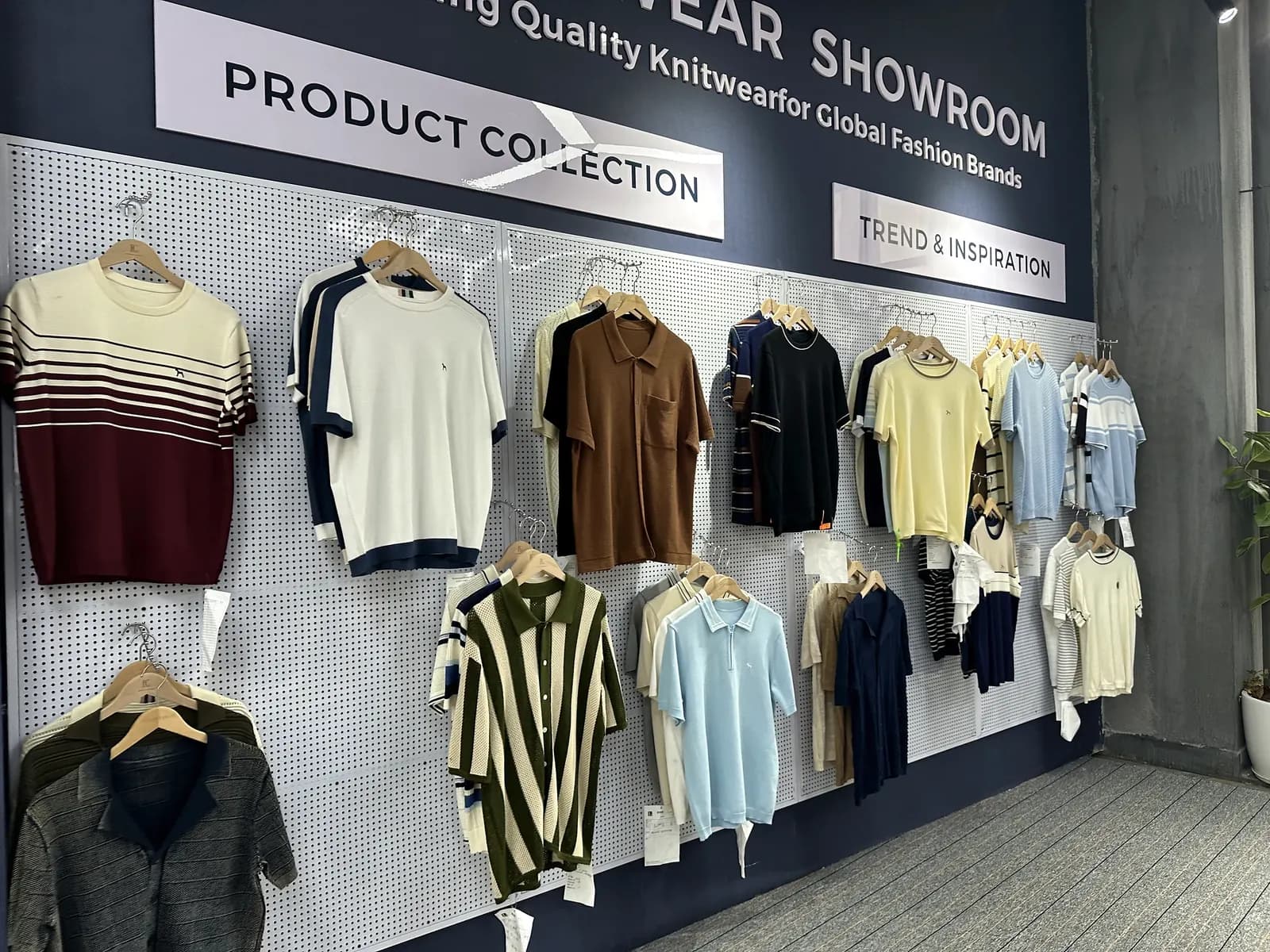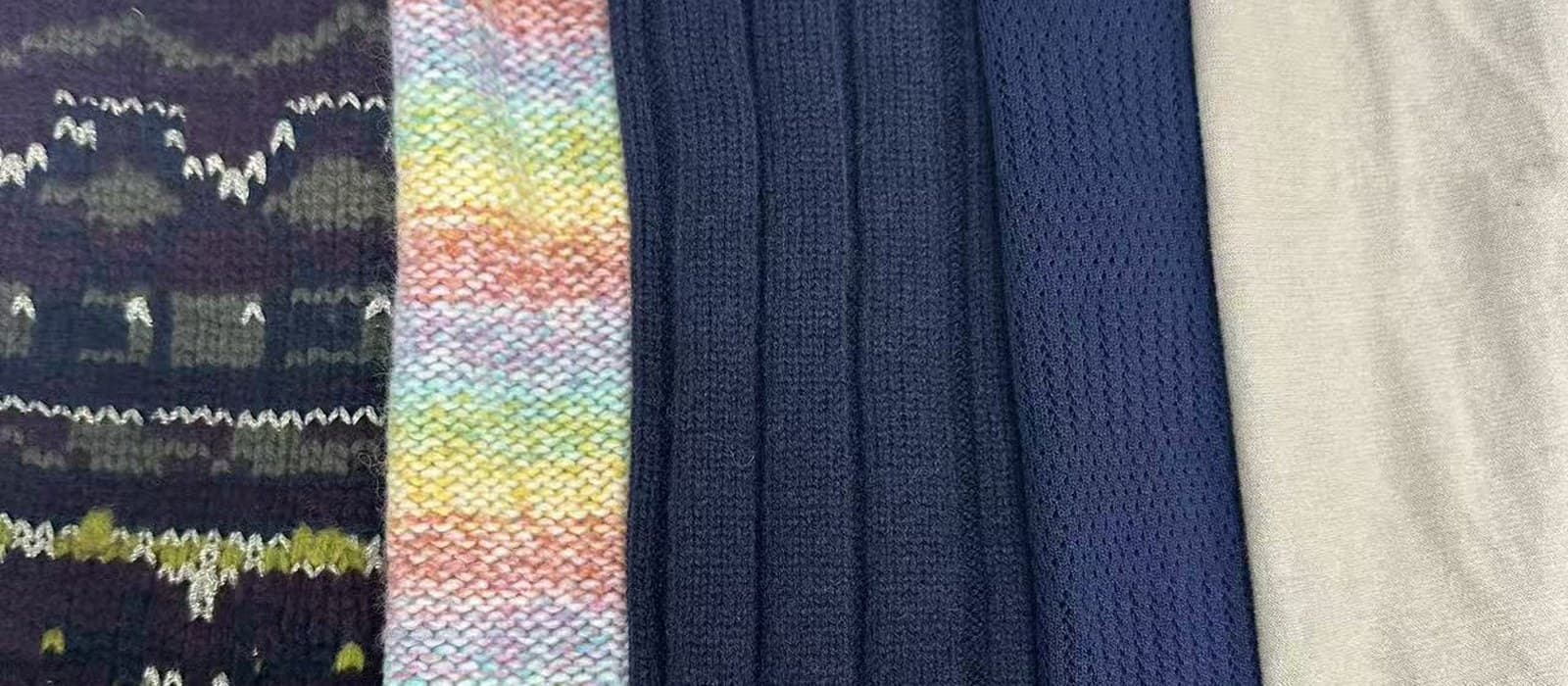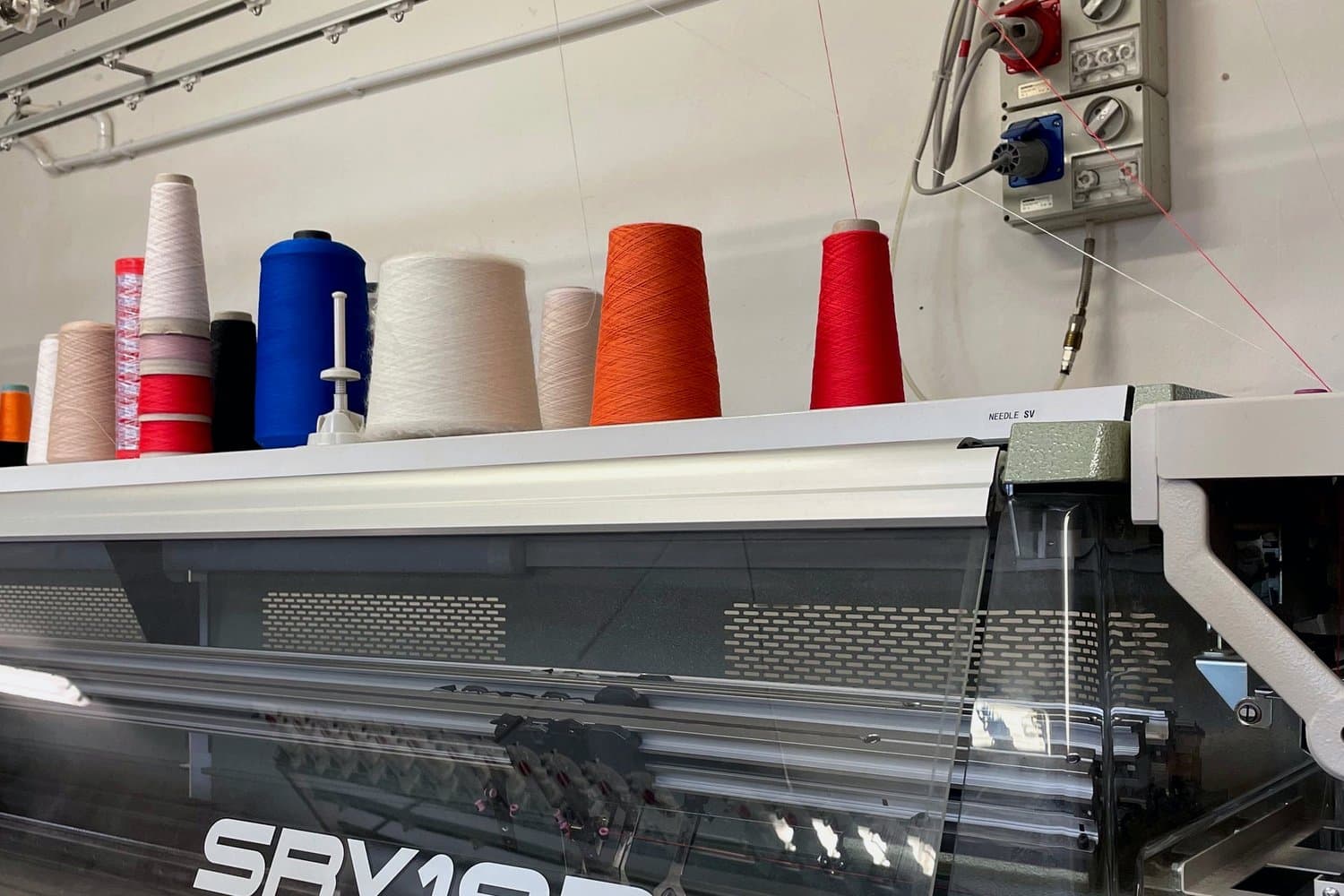
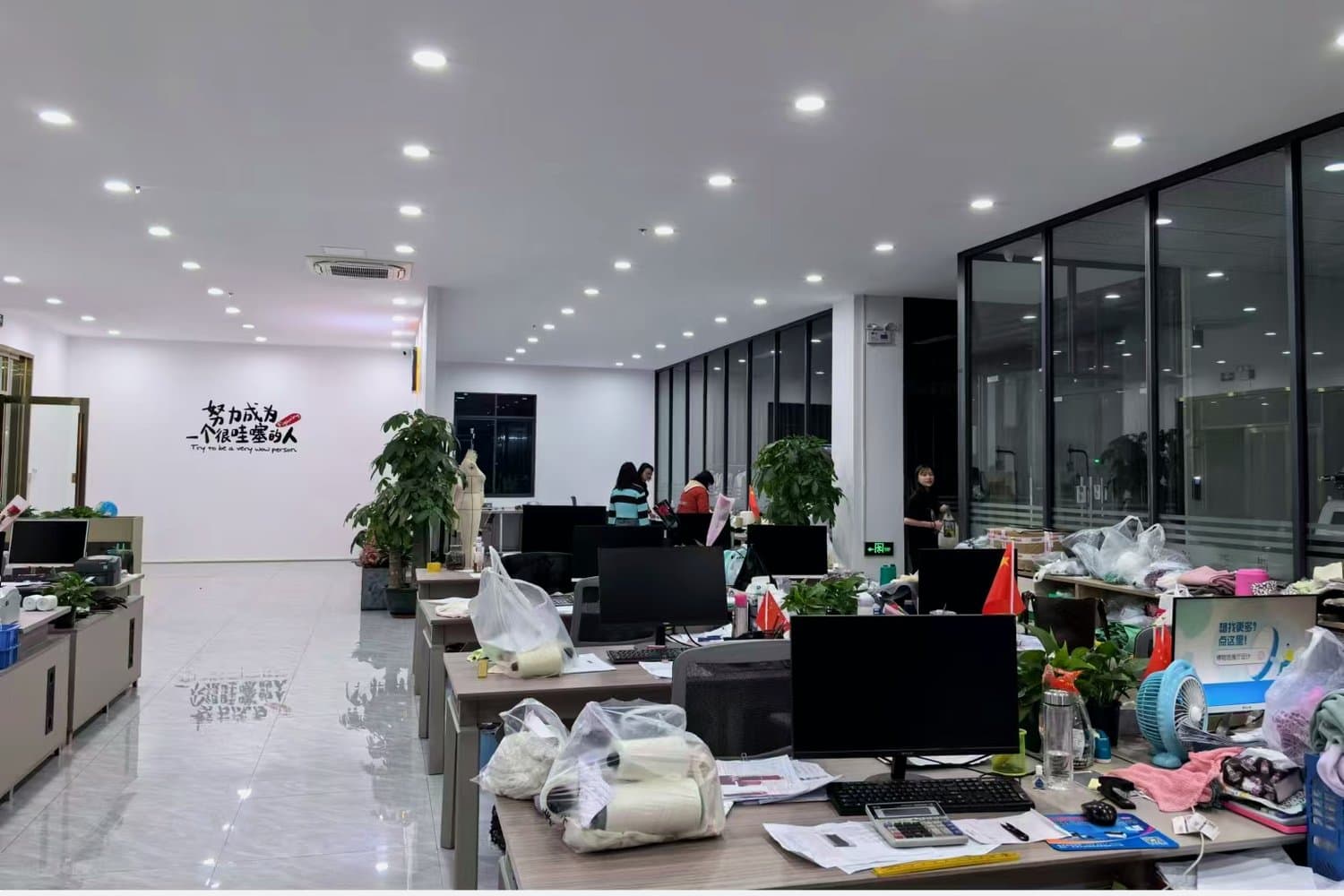
We focus on men's sweaters, cardigans, knit jackets, jacquard knitwear and private label knitwear. We support B2B buyers with OEM/ODM development, sampling and bulk production planning.
面向 B2B 买家的定制针织制造、材料、产品开发与品质控制指南。
Free interactive tool
Build your spec — yarn, gauge, colour, customisation — and instantly see the typical MOQ, sample & bulk timelines and what drives your cost.
Craftsmanship
面向开发图案毛衣、花型开衫与定制图案的品牌,对比提花与嵌花针织工艺的实操指南。
阅读指南 ->Product Development
如何开发男士半拉链与四分之一拉链毛衣:从拉链与领型选择到纱线和针型,助力 B2B 品牌打造商务运动风针织系列。
阅读指南 ->Comparison
Every first knitwear order has two routes, and factories rarely publish the second one. From a tech pack a sample takes about 15-25 days; from a style that already exists, about 7. The minimum, the bulk lead time, the labelling and the QC route are identical either way. What changes is where the first physical garment comes from - and what you give up by not starting from a blank sheet.
阅读指南 ->Product Development
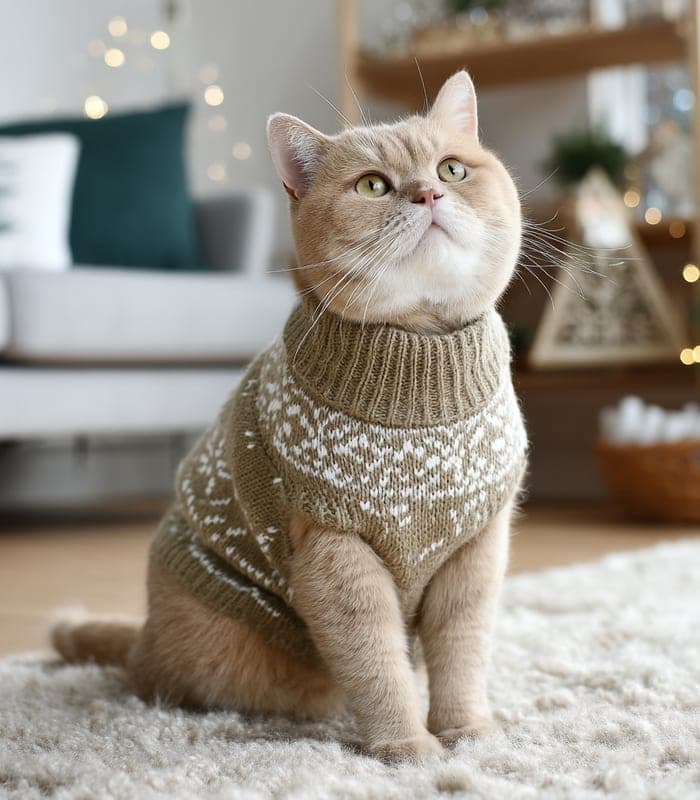
A pet knitwear sourcing read counted from our own published range: two separate size runs rather than one stretched chart, acrylic on 12 of 17 styles for wash durability, 10 of 17 at 7GG-12GG, and why the harness opening has to be on the tech pack before knitting.
阅读指南 ->Product Development
面向 B2B 服装品牌开发男士针织 polo 的实操指南,涵盖领型、门襟、纱线与针型,适用于春夏与全年系列。
阅读指南 ->Comparison
Knitted-in or applied: which route a pattern, logo or motif should take on a knit garment, what each costs, the gauge and colour-count limits, and the tests that catch failures late.
阅读指南 ->AW26 and SS27 men's knitwear is moving in a direction that rewards buyers who understand production, not just mood boards. Heritage cable and fisherman knits are returning at chunky gauges, brushed and bouclé textures are gaining floor space, the earth-tone palette is extending into a second strong season alongside accent reds, oversized silhouettes are maturing into more refined fits, and shawl-collar cardigans plus refined knit polos are taking commercial share. Each of these directions carries a different yarn book, a different gauge bias and a different lead-time profile. This forecast is written from the factory floor in Dongguan: what the trend looks like, what it costs to make properly, what to lock in early, and where the risk lives if you book late. The goal is not to repeat trend-board imagery — it is to help your AW26 and SS27 capsules ship on time and at the right margin.
7 min read - Guide
Most missed retail dates in AW knitwear do not come from a factory missing a deadline. They come from a buyer entering the calendar two or three months late and then trying to compress what a manufacturer cannot compress: yarn dyeing, PP approval, and bulk knit time. This guide walks small-to-mid brand owners through the AW26/27 knitwear buying calendar month by month, from yarn books opening in January 2026 to DTC and store launches in October–November 2026. It is written from the manufacturer side of the table, using only verifiable lead times (sample 7–25 days, bulk 30–45 days), and it shows exactly what slips — air-freight upgrades, yarn substitutions, missed window dates — when each gate is hit late.
6 min read - Guide
Menswear brands that built their reputation on autumn-winter knits are pushing harder into spring-summer because the cotton tee category has plateaued and buyers are looking for an upgrade tier their customers will actually pay for. From where we sit on the Dongguan factory floor, the SS27 light-knit direction is already legible in the yarn quotes we are receiving for delivery windows in late 2026. This forecast is written for buyers expanding their SS knit offer beyond AW core — what stitches and yarns to specify, what colors mills are pre-dyeing, and the lead-time math you need to lock in now so the program lands in store March to April 2027 rather than missing the season.
5 min read - Guide
Most sourcing managers get a one-line FOB number from a knitwear factory and have no idea whether the 12.40 USD they are looking at is fair, padded, or hiding a problem that will surface at production. This briefing decomposes a representative 11-14 USD FOB mid-weight men's sweater quote into the cost components factories actually use internally: yarn (usually the largest single bucket at 35-50 percent), knitting machine time, linking labor, dyeing and finishing, trims and branding, QC, factory margin, and commercial overhead. We show ranges rather than false-precision numbers, because the real shape of the cost stack shifts with gauge, fiber, and order size. A 3GG chunky cardigan and a 14GG fine merino crew look like the same product category on paper but have inverted cost structures — one is yarn-heavy and machine-light, the other is the opposite. Knowing which line is fat and which is bone is what separates buyers who negotiate effectively from buyers who chase a five-cent reduction in the wrong place and lose a season to a panicked corner-cut. The article ends with a practical list of RFQ questions that force a supplier to reveal the assumptions inside their quote without demanding their full cost sheet, which no factory will share anyway.
8 min read - Guide
大多数针织品牌在第 14 个月左右都会撞上同一堵墙。第一季令人兴奋——一张试单 PO、一份扎实的技术包、几家精选买手店。但到了第二个秋季,创始人就在新品开发与追赶那三个本该“干净翻单”的爆款之间疲于奔命。它们不会干净翻单。每次重单都像一个全新项目:重新打样、重新备纱、重新打交期拉锯战。 本文是匿名组合案例,取材于我们与正在告别一次性 PO 模式的品牌真实合作经验。主角是一家英国小型男装品牌——做粗纺羊毛衫、渔夫麻花和一款刷毛马海毛单品——他们在第一年试单 600 件,到第 18 个月发展为一年四单的翻单日历。这一转型并不光鲜:它来自把“引擎 SKU”与新品开发分轨;锁定那些不该再被改动的技术包;在纱厂层面预订纱线,而不是被动等纺纱厂分配。 我们会逐项讲明机制变化:打样迭代时间从 6 周降到 11 天;FOB 在无人重新议价的情况下下降约 8%;翻单交期收紧至 28 天。我们也会讲清楚什么会让一个 SKU 失去翻单资格——版型变更、纱线变更,任何打破技术包延续性的改动。结论很不浪漫:翻单纪律是文档与日历问题,不是价格问题。
6 min read - Guide
What REACH (Reg. 1907/2006) restricts in knitwear — azo dyes/aromatic amines, CMR/disperse dyes/phthalates, nickel on trims, formaldehyde — plus SVHC/SCIP duties, how OEKO-TEX covers most of it, and a buyer test-report checklist.
5 min read - Guide
Claims are free; verification protects your order. How to check the six most-inflated supplier claims — years in business, sample lead times, certifications, client logos, reviews and the factory itself — with a red-flag scorecard.
7 min read - Guide
A 6-step 2026 sourcing playbook for launching a knitwear brand — positioning, spec, finding a low-MOQ manufacturer, sampling, a validated first run, and scaling — with realistic MOQ, cost and timeline.
6 min read - Guide
How US and EU brands should model the true landed cost of China knitwear in 2026: the FOB→DDP formula, a worked example, the ~20–45% effective apparel-duty reality (HS Ch.61), EU duty/VAT, and the levers that lower landed cost. Planning ranges, not a quote — verify HTS with a broker.
7 min read - Guide
We focus on men's sweaters, cardigans, knit jackets, jacquard knitwear and private label knitwear. We support B2B buyers with OEM/ODM development, sampling and bulk production planning.
Ready sample styles and selected custom programs can support lower-risk trials before larger seasonal orders.
Yes. Brands, including new labels preparing a first collection, can pay for a sample and see it before placing a production order. Two routes: a ready sample of a published style at USD 60 per piece in about 7 days, or a development sample from your tech pack at USD 150 per style, covering yarn sourcing, knit programming, one prototype and one revision round, in 15-25 days. Cashmere and mohair styles are quoted individually and shipping is charged at cost. Production starts only after you approve the physical sample, at our minimum of 30 pieces per colour with sizes mixed inside the 30. A sample does not commit you to a production run; we do not make garments for personal use.
Our sample fee is not refundable. Yarn sourcing, knit programming, machine setup and hand linking cost about the same whether one piece follows or five hundred, which is why the fee exists at all. It is credited against your first bulk order placed within six months of sample approval: 100% of a development sample fee, 50% of a ready sample fee.
Yes, for brands developing a style. One development piece is fine, with no commitment to bulk: a development sample is USD 150 per style and covers yarn sourcing, knit programming, one prototype and one revision round, in 15-25 days (cashmere and mohair are quoted individually). If you then go to production, the minimum is 30 pieces per colour with sizes mixed inside the 30, and the full USD 150 is credited against a first bulk order placed within six months of approving the sample. We do not make garments for personal wear.
Plain and striped styles using the same yarn and colour can be combined toward a minimum of 30 pieces, with mixed sizes. For example, four plain styles of 25 pieces each in the same yarn and colour total 100 pieces and meet that minimum. Different yarns or colours are counted separately. Jacquard and intarsia require 30 pieces per pattern; quantities from different patterns cannot be combined. Send us your styles, yarns, colours and quantities so we can confirm how the minimum applies to your project.
Cannot find what you need? Our team can create a custom guide or template for your specific project.
Request Custom Resource ->