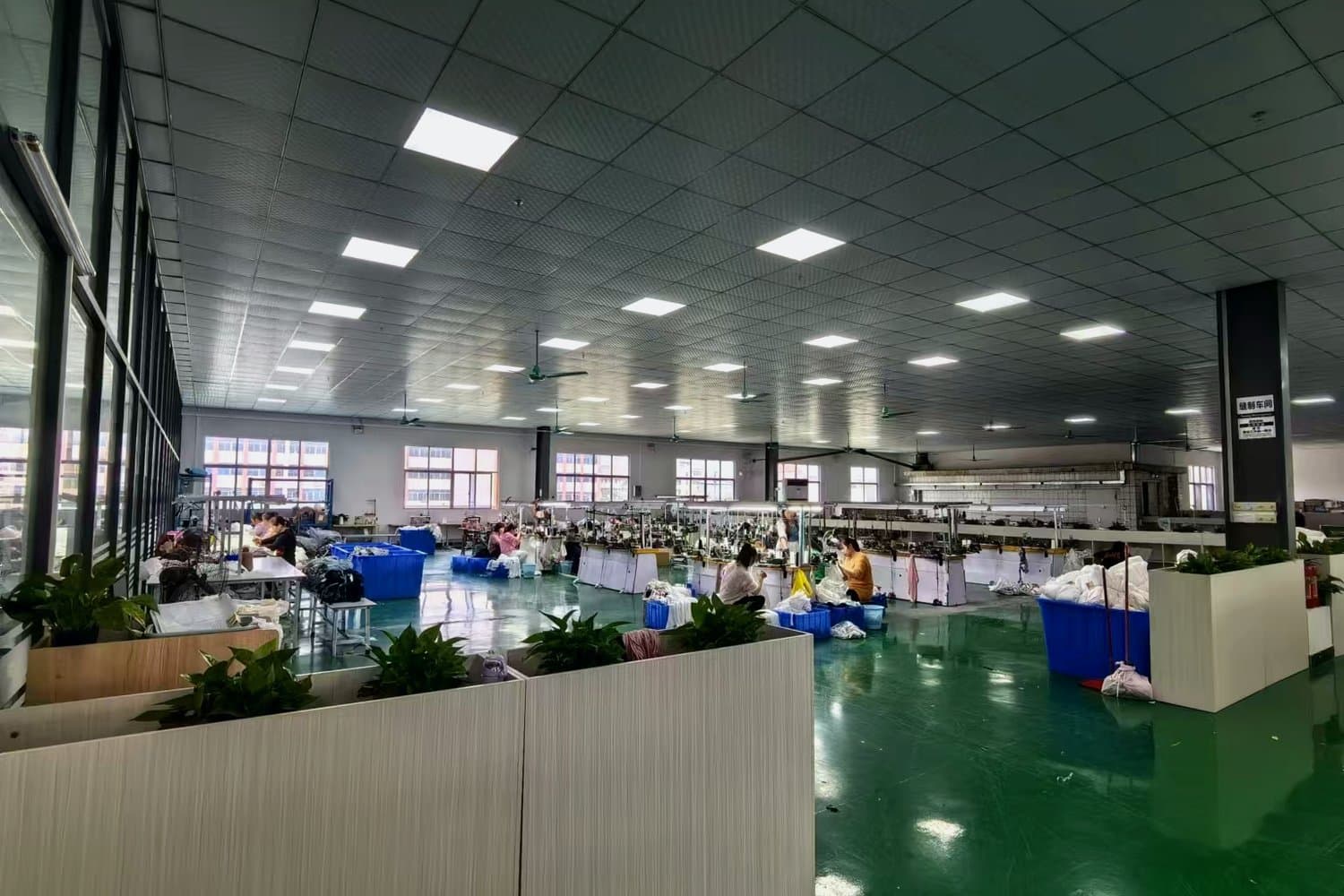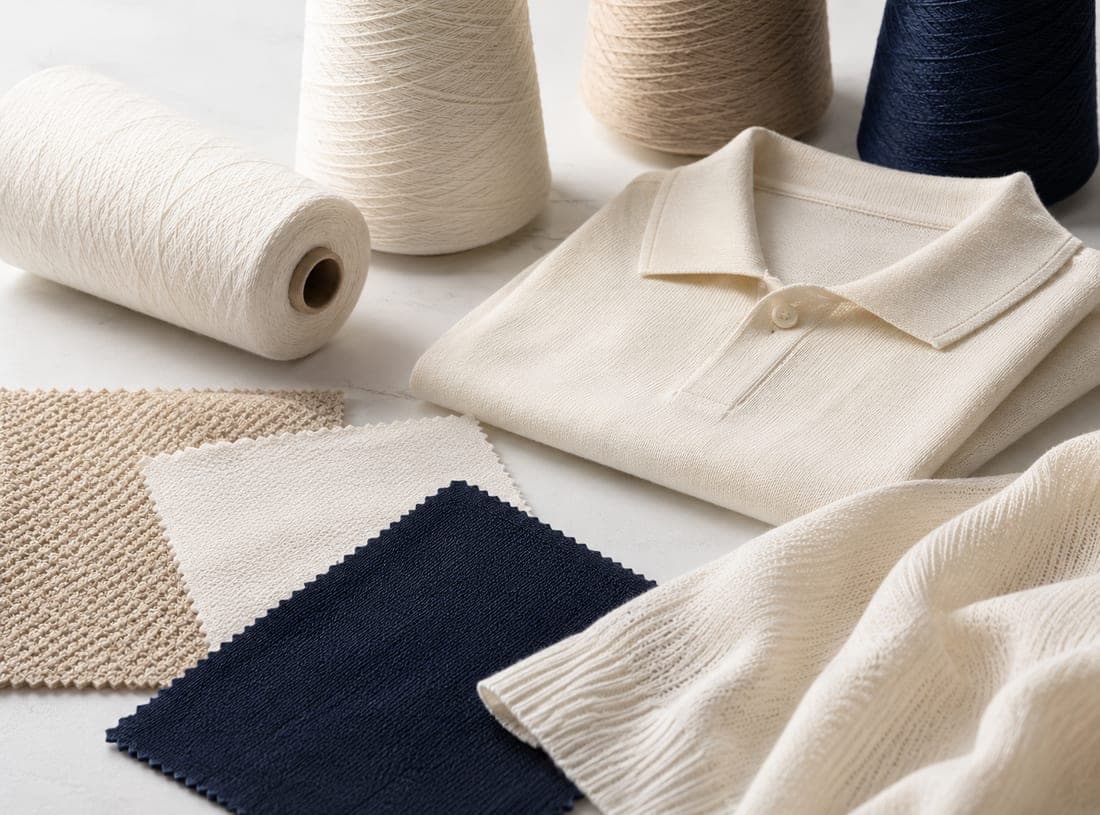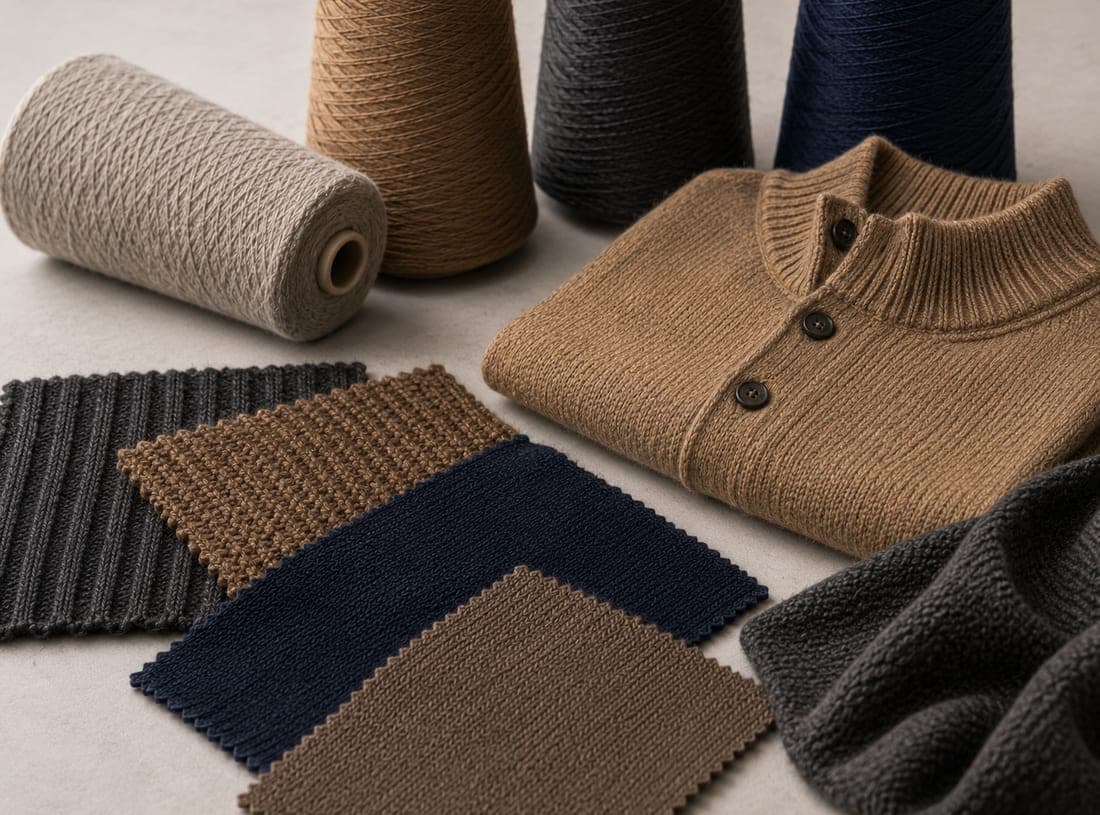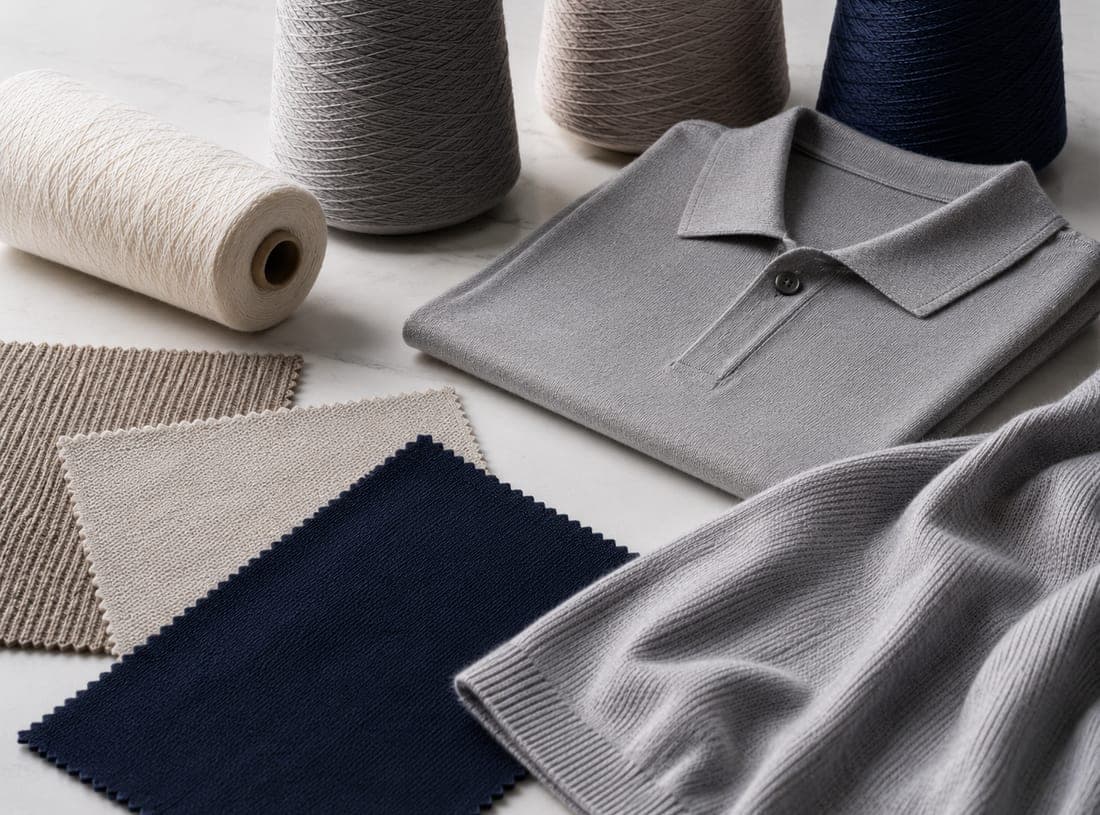
Climate & Season
Select weight and warmth for your target season.
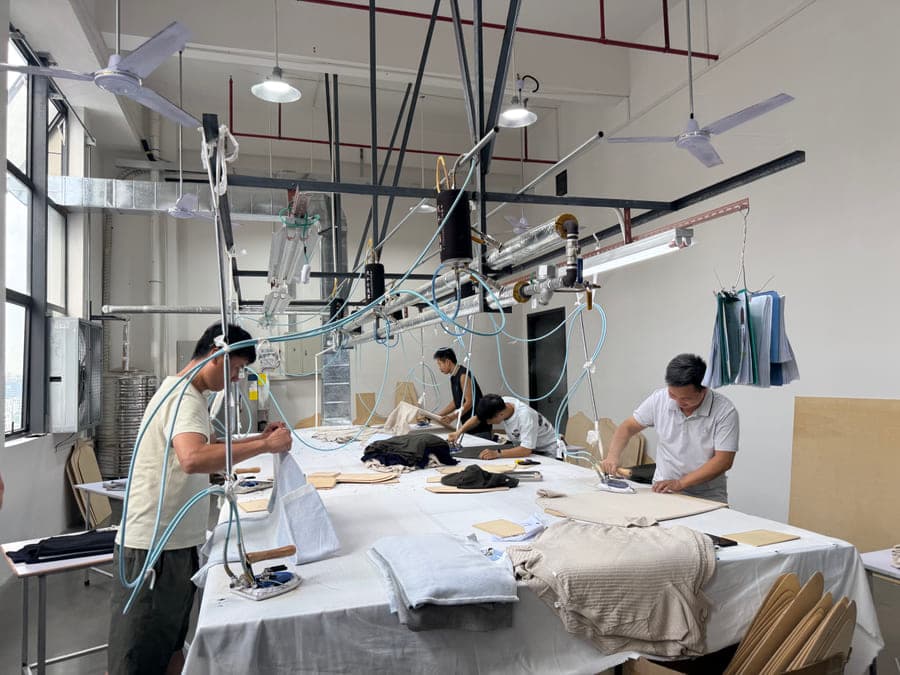
Licheng Knitwear produces custom knitwear from a minimum of 30 pieces per colour per style, and sizes may be mixed inside those 30 - so a first collection can launch with a full size run rather than thirty identical mediums. That single rule is what most small brands are actually asking about when they contact a knitwear factory, and it is the same across all 462 published styles in our catalogue. This page sets out what a brand gets at that quantity and what it does not: the same 3GG to 18GG machines, the same OEKO-TEX Standard 100, ISO 9001, GRS and GOTS certified production, and the same 15 to 25 day sampling as an eight-thousand-piece programme. It is written for founders placing a first production order, small labels testing one style before committing, and established brands adding a capsule outside their main range.
针型范围
3GG - 18GG
质量
阶段式检查
制造能力
定制针织支持
全球市场
美国、欧洲等市场
打样前需要考虑实际因素。合适的能力路线会影响纹理、成本、手感、时间和市场适配。
Select weight and warmth for your target season.
Match texture, drape and premium handfeel.
Plan sweaters, cardigans, polos or jackets.
Align with buyer preference and price point.
Licheng Knitwear produces custom knitwear from a minimum of 30 pieces per colour per style, and sizes may be mixed inside those 30 - so a first collection can launch with a full size run rather than thirty identical mediums. That single rule is what most small brands are actually asking about when they contact a knitwear factory, and it is the same across all 462 published styles in our catalogue. This page sets out what a brand gets at that quantity and what it does not: the same 3GG to 18GG machines, the same OEKO-TEX Standard 100, ISO 9001, GRS and GOTS certified production, and the same 15 to 25 day sampling as an eight-thousand-piece programme. It is written for founders placing a first production order, small labels testing one style before committing, and established brands adding a capsule outside their main range.
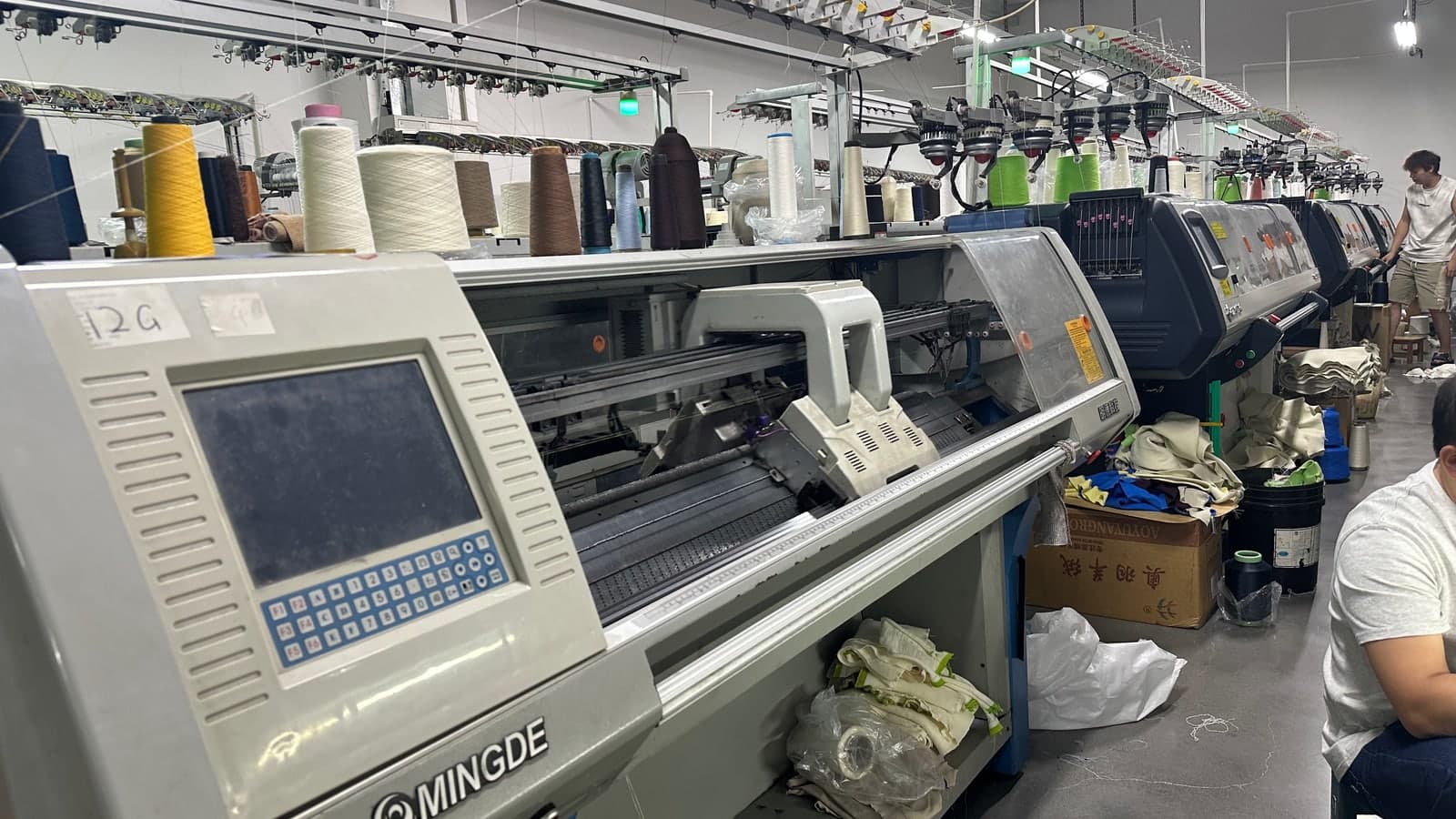
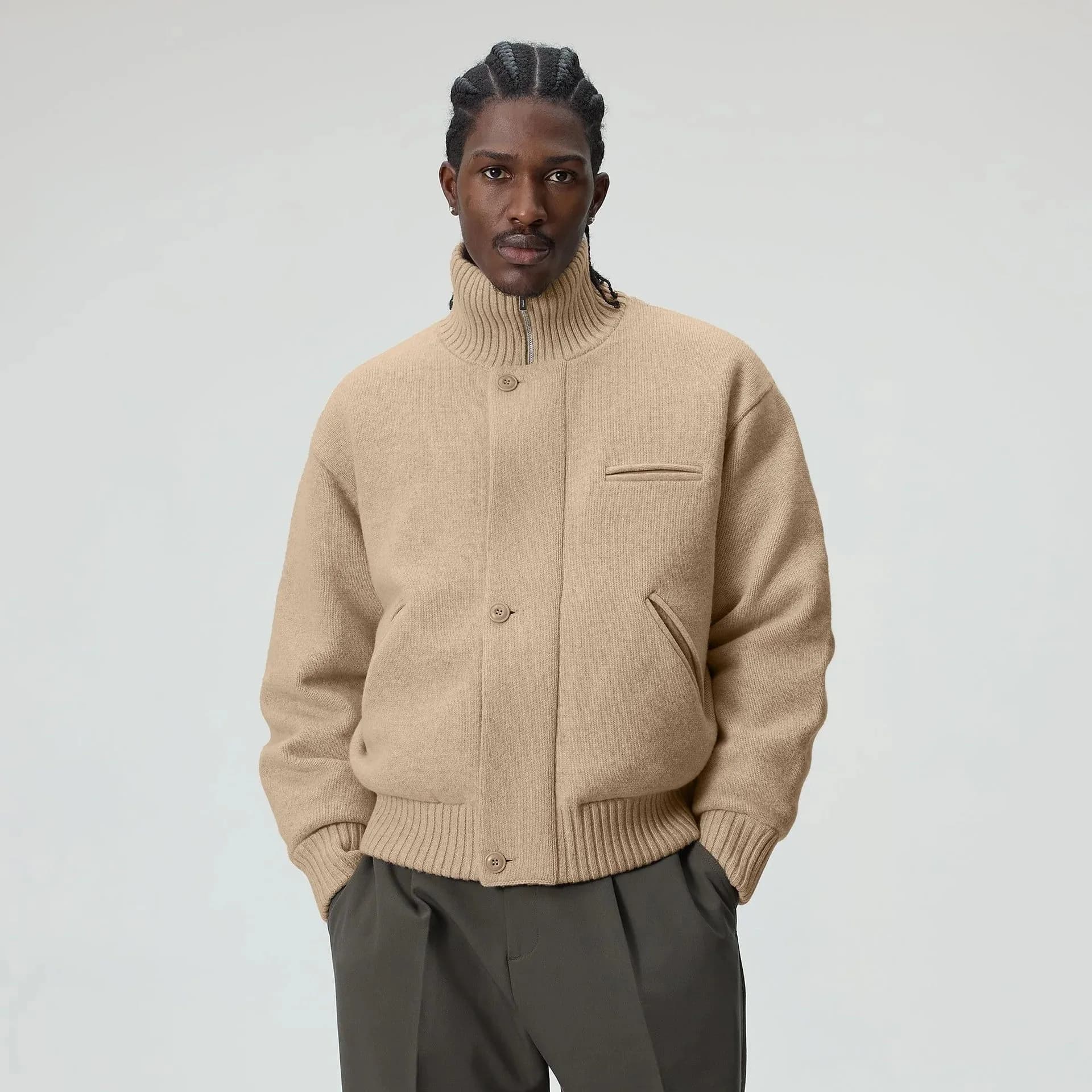
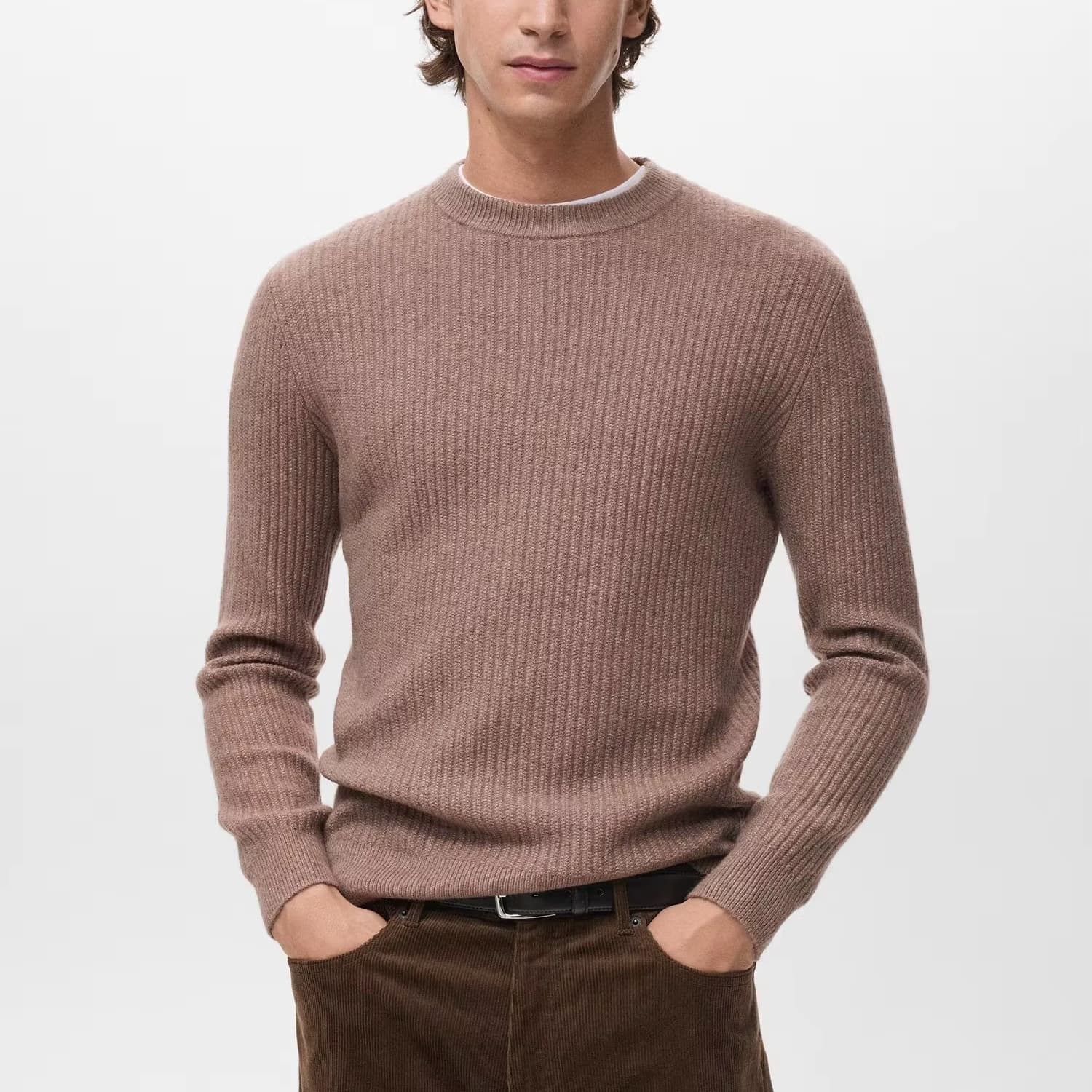
Minimum order quantity is 30 pieces per colour per style. Sizes may be mixed within those 30, so a run of 30 can be split across a full S-XXL size curve; the 30 applies to the colour, not to each size. Quantity tiers are 30 / 100 / 1,000 / 8,000 pieces, and a quotation is normally given at the tier above and below a buyer's target so the cost of moving up is visible before committing. Sampling takes about 15 to 25 days from a confirmed tech pack and yarn, and bulk production 30 to 45 days depending on quantity - both figures are identical at 30 pieces and at 8,000. Published index medians at MOQ 30 per colour are USD 17.36 for wool blends, USD 19.48 for polo sweaters, USD 19.73 for cardigans, USD 21.61 for knit jackets, USD 22.73 for sweaters and pullovers, and USD 26.48 for mohair and alpaca. Those are figures from our own yarn cost index rather than quotations: the final price moves with yarn lot, gauge, colour count and quantity. What actually changes at low volume is colour count rather than piece count - each additional colour is its own 30-piece minimum and its own dye lot, so three colours at 30 is a 90-piece order and prices accordingly. Machine access does not change: the full 3GG to 18GG in-house gauge range, jacquard and intarsia, linking, embroidery and appliqué are all available at 30 pieces. To get an accurate small-batch quotation, send a reference photo or tech pack, the target colour count, the size curve, the yarn or handfeel direction and the market the pieces are going to.
Suitable for first production runs, capsule collections, pre-order and crowdfunded launches, test styles ahead of a larger buy, club, school and team programmes, and replenishment of a single colour that has sold through. Product types include sweaters and pullovers, cardigans, knit jackets, polo sweaters, vests and sleeveless knits, and knit accessories. It fits brands that need a real production garment - correct linking, correct trims, their own woven label and care label - rather than a modified blank, and it fits buyers who would rather prove one style at 30 pieces than commit to a full range before the first customer has seen it.
Recommended for North America, the Nordics, the United Kingdom, Germany and the wider EU, where a large share of new knitwear labels start with small, well-specified runs rather than volume commitments. Nordic and Canadian buyers usually arrive with heavier gauges and wool or wool-blend directions for cold-weather layering. UK, German and other European buyers tend to lead with handfeel, restrained styling and documentation - certificates, composition and care labelling - because the pieces go into markets where those are checked. North American buyers more often lead with landed cost, size curve and how quickly a proven style can be repeated. The 30-piece minimum applies identically in every one of these markets; shipping and duty do not change it, though they do change the landed cost per piece at small volumes, which is worth modelling before the size curve is fixed.
At 30 pieces the constraint that matters is colour count, not piece count: every colour carries its own minimum and its own dye lot, so adding colours multiplies the order faster than adding sizes does. Brands starting out generally get further by proving one colourway across a full size run than by splitting the same budget across three colours. Yarn availability is the other small-batch constraint - a stock yarn ships immediately, while a custom-dyed shade carries its own lead time and minimum, so ask about yarn before locking a launch date.
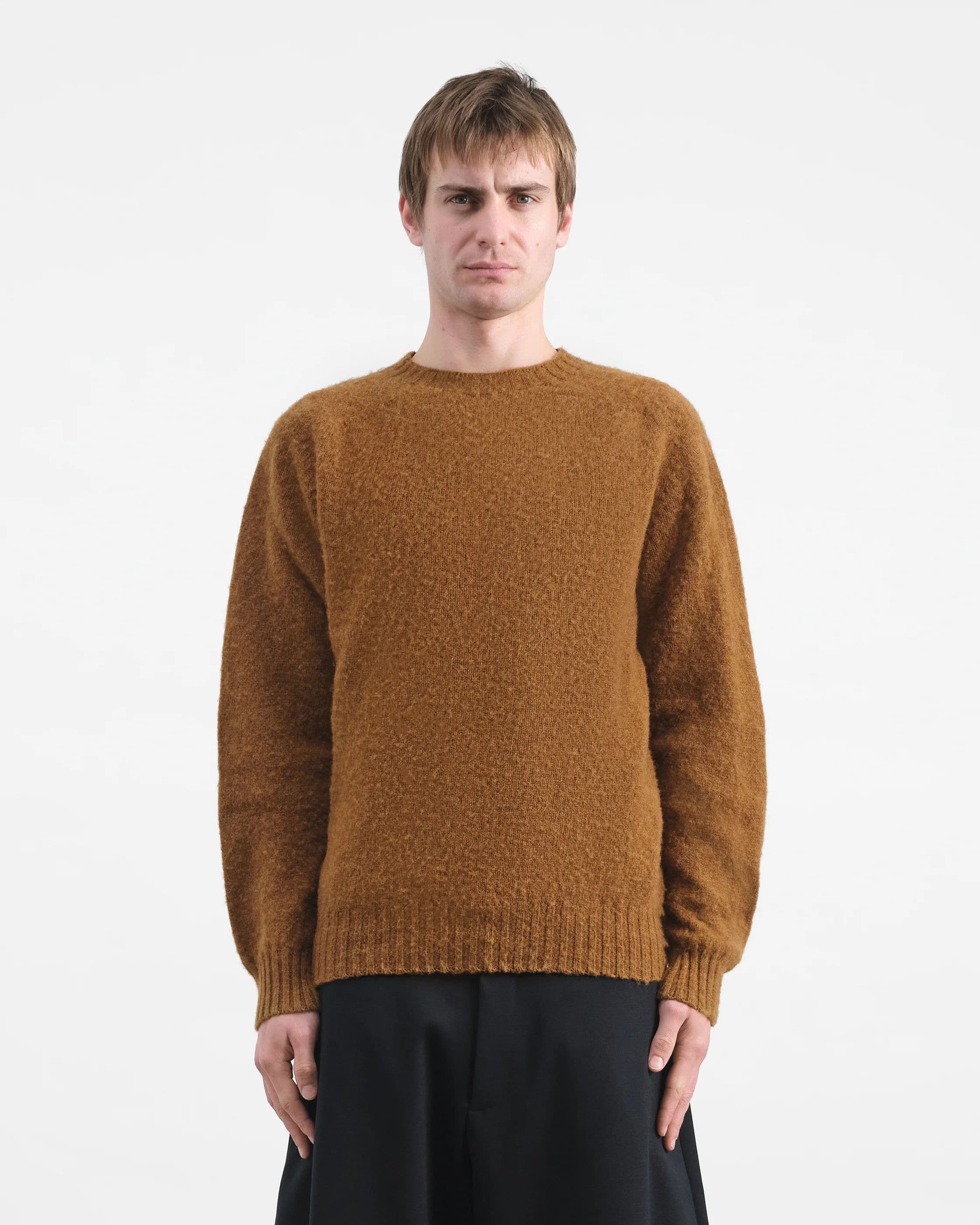
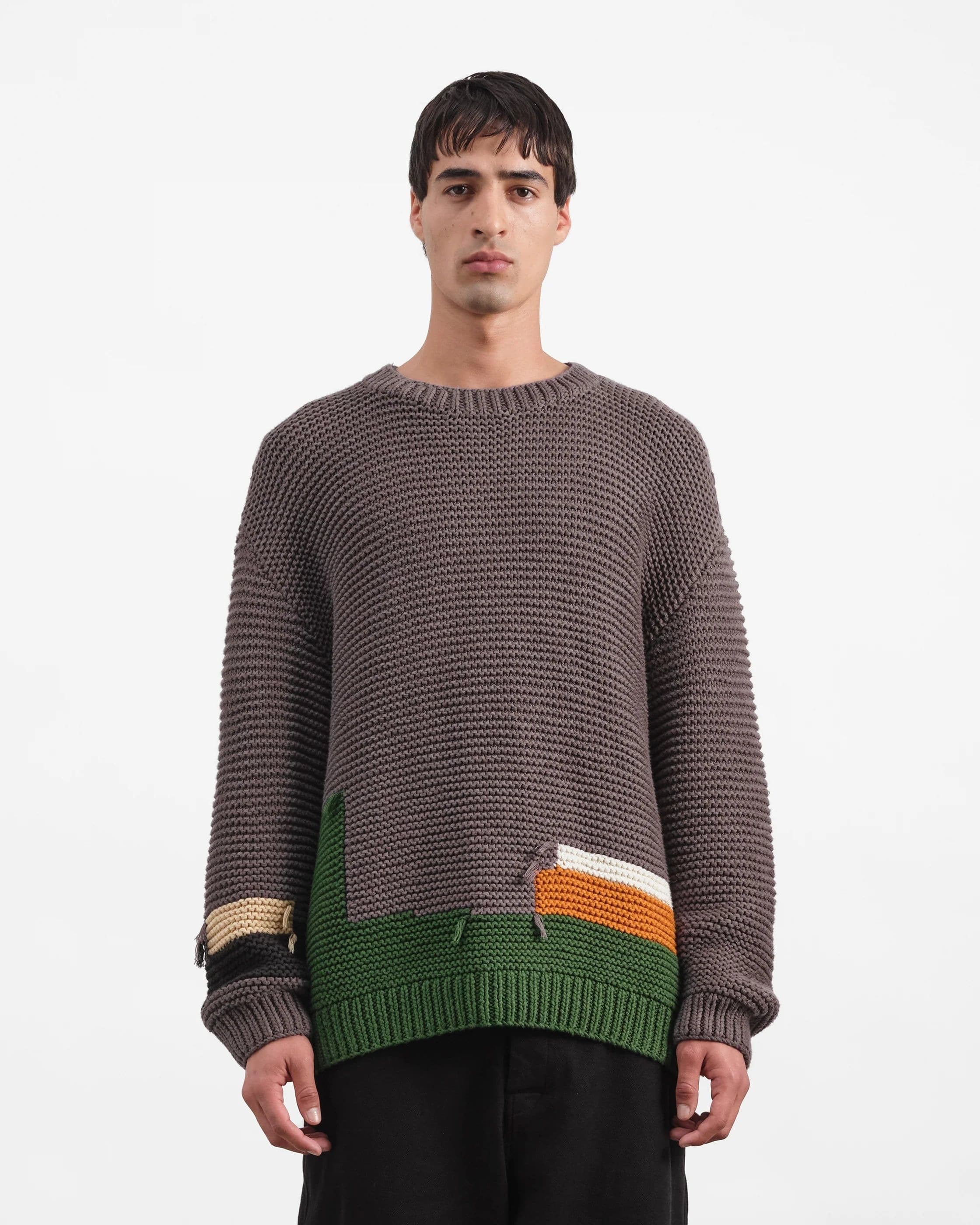
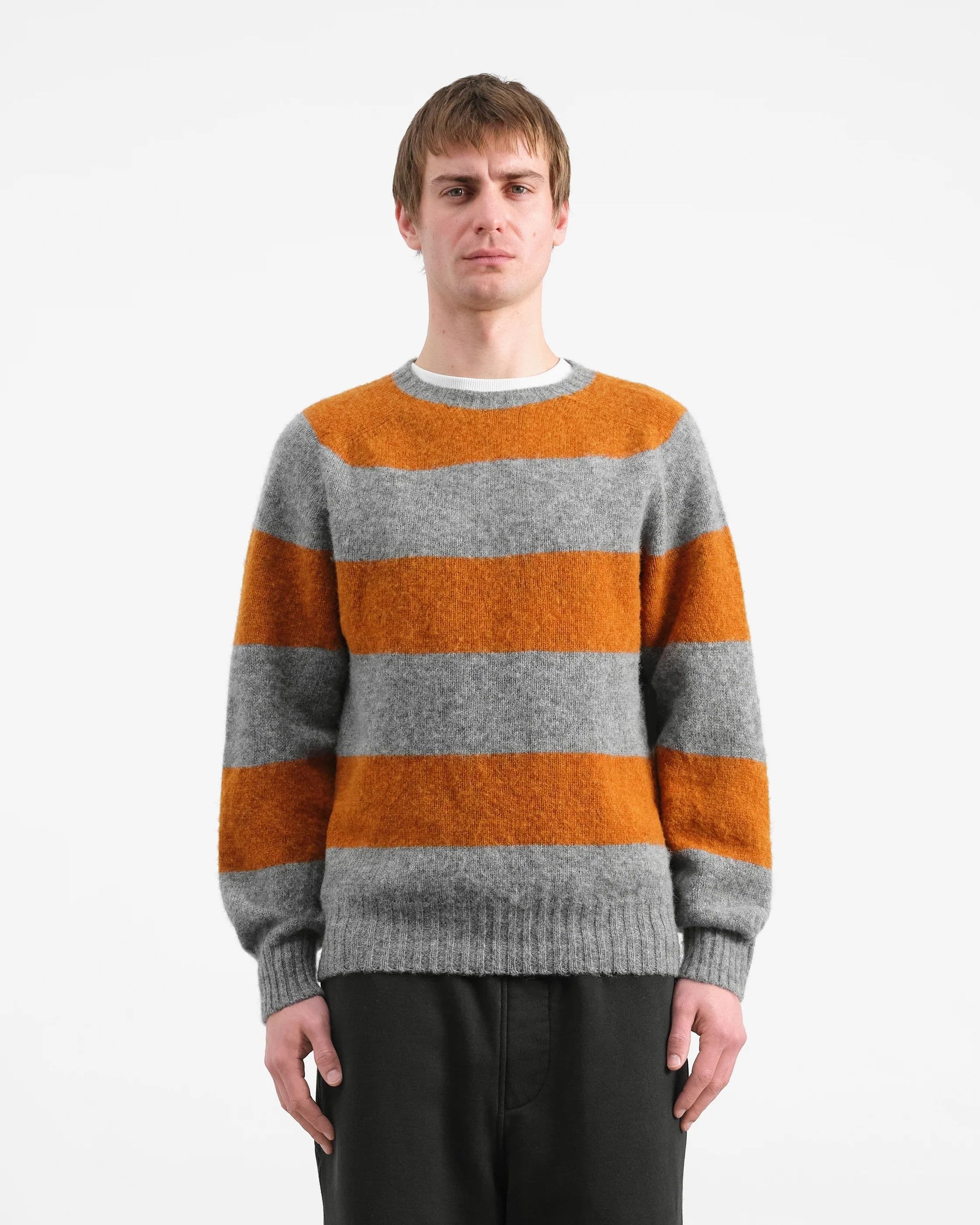
可应用此能力的现有产品方向。
Share your concept, sketch or reference.
We recommend gauge, yarn and construction.
We develop samples and refine until approved.
Confirm details, size specs and production plan.
Quality manufacturing with on-time delivery.
相关材料
相关指南
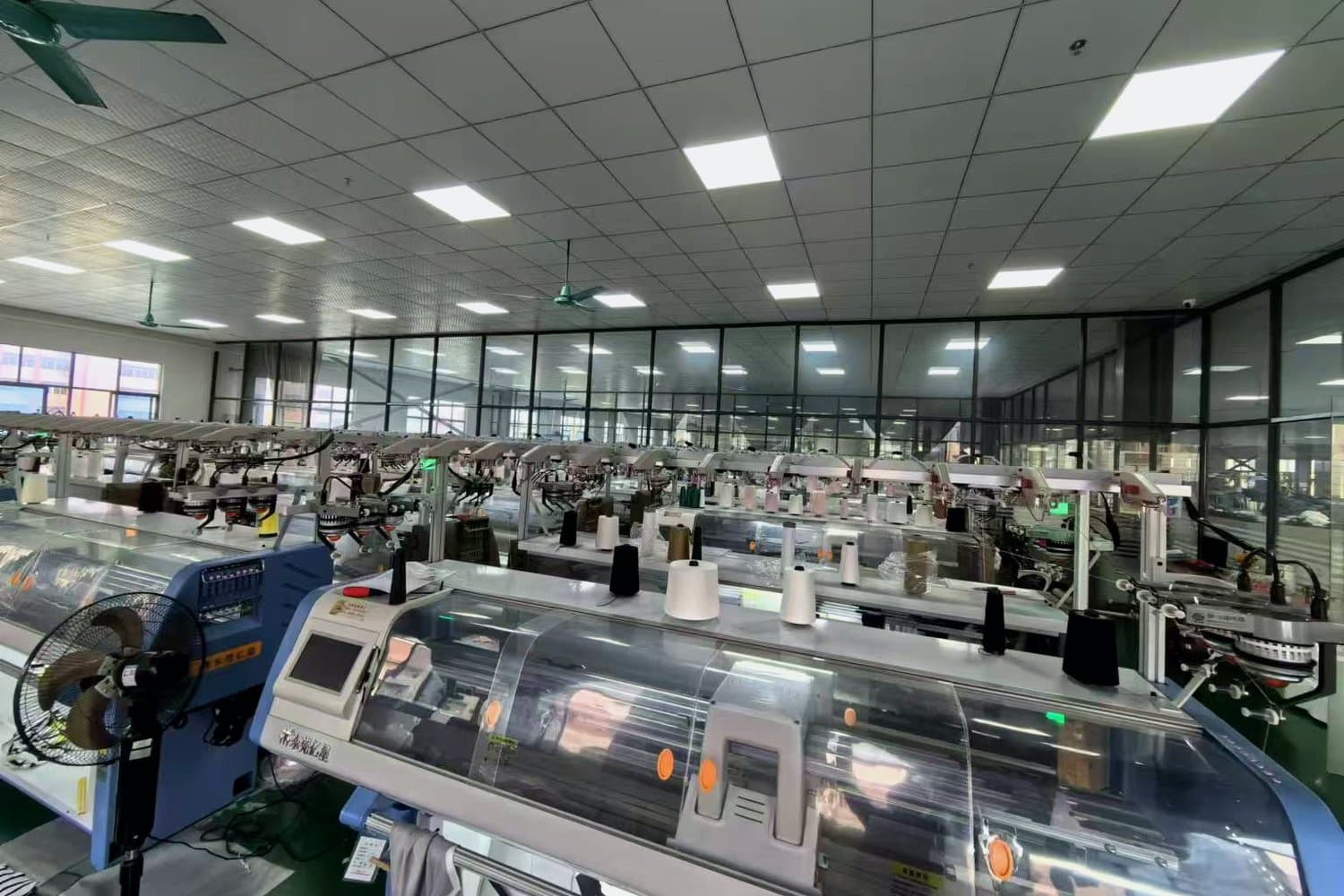
We focus on men's sweaters, cardigans, knit jackets, jacquard knitwear and private label knitwear. We support B2B buyers with OEM/ODM development, sampling and bulk production planning.
Ready sample styles and selected custom programs can support lower-risk trials before larger seasonal orders.
Yes. Brands, including new labels preparing a first collection, can pay for a sample and see it before placing a production order. Two routes: a ready sample of a published style at USD 60 per piece in about 7 days, or a development sample from your tech pack at USD 150 per style, covering yarn sourcing, knit programming, one prototype and one revision round, in 15-25 days. Cashmere and mohair styles are quoted individually and shipping is charged at cost. Production starts only after you approve the physical sample, at our minimum of 30 pieces per colour with sizes mixed inside the 30. A sample does not commit you to a production run; we do not make garments for personal use.
Our sample fee is not refundable. Yarn sourcing, knit programming, machine setup and hand linking cost about the same whether one piece follows or five hundred, which is why the fee exists at all. It is credited against your first bulk order placed within six months of sample approval: 100% of a development sample fee, 50% of a ready sample fee.
Yes, for brands developing a style. One development piece is fine, with no commitment to bulk: a development sample is USD 150 per style and covers yarn sourcing, knit programming, one prototype and one revision round, in 15-25 days (cashmere and mohair are quoted individually). If you then go to production, the minimum is 30 pieces per colour with sizes mixed inside the 30, and the full USD 150 is credited against a first bulk order placed within six months of approving the sample. We do not make garments for personal wear.
Our published MOQ is 30 pieces per colour, and that number comes from the dye lot rather than from machine time: yarn is dyed in batches, and roughly 30 garments' worth of yarn is the smallest batch that keeps both cost and shade under control. Because the floor sits on the dyed yarn rather than on the style, styles that share one yarn in one colour are counted together against it. Four styles at 25 pieces each, all in the same yarn and the same colour, is 100 pieces on a single dye lot and is accepted. What does not combine is a second colour or a second yarn - each is its own dye lot with its own floor. So the first question to settle is not how many styles you have, it is how many yarn-and-colour combinations they add up to.
涵盖北美与欧洲常见 OEM/ODM 针织项目的 MOQ、交期、成本区间、针型选择与品控检查点。留下邮箱,30 秒内发送报告链接。
不发垃圾邮件。回复一封即可退订。邮箱仅用于向您发送报告,并在您需要时继续采购沟通。
此处展示的品牌为我们此前服务过的 OEM/ODM 合作方。标识仅作展示,不代表当前的背书关系。