How to Choose a Knitwear Manufacturer in China
A B2B buyer gids voor evaluating Chinese knitwear manufacturers by productie capability, materiaal ondersteuning, sampling process, communication quality en compliance document readiness.
China remains the largest and most capable source of custom knitwear in the world — but the gap between the best and the worst suppliers is enormous. For an apparel brand, choosing the right Chinese knitwear manufacturer determines your product quality, your margins, and whether your launch ships on time. This guide gives you a practical framework for evaluating and selecting a partner, written from the factory floor rather than from a directory listing.
The cheapest quote and the right manufacturer are rarely the same supplier. Optimise for fit between their capability and your program — not for the lowest unit price on a spreadsheet.
Understand the Knitwear Manufacturing Landscape
Related: if you are moving away from an existing supplier rather than starting fresh — the 60-day onboarding transition.
💬 Sourcing this for an upcoming project? Request a free quote → · MOQ 50 pcs · Sample in 15–25 days · WhatsApp us
China's knitwear production is concentrated in a few regions, each with its own character. Guangdong (including Dongguan and Shenzhen) is known for fashion-forward, mid-to-high quality sweaters and fast development cycles. Zhejiang and Jiangsu hold large-volume mills. Knowing where a supplier sits helps you predict their strengths. More important than location is what type of supplier you are actually dealing with:
| Supplier type | Owns machines? | Strength | Watch-out |
|---|---|---|---|
| Vertical factory | Yes — knit to finish | Quality control, repeat consistency | May have higher MOQ |
| Specialist factory | Yes — one category | Technical/signature styles | Narrow range |
| Trading company | No | Flexible, handles small orders | Less direct quality control |
A good trading partner is fine for small or highly varied ranges, but for a core program you usually want a factory that controls its own knitting and finishing.
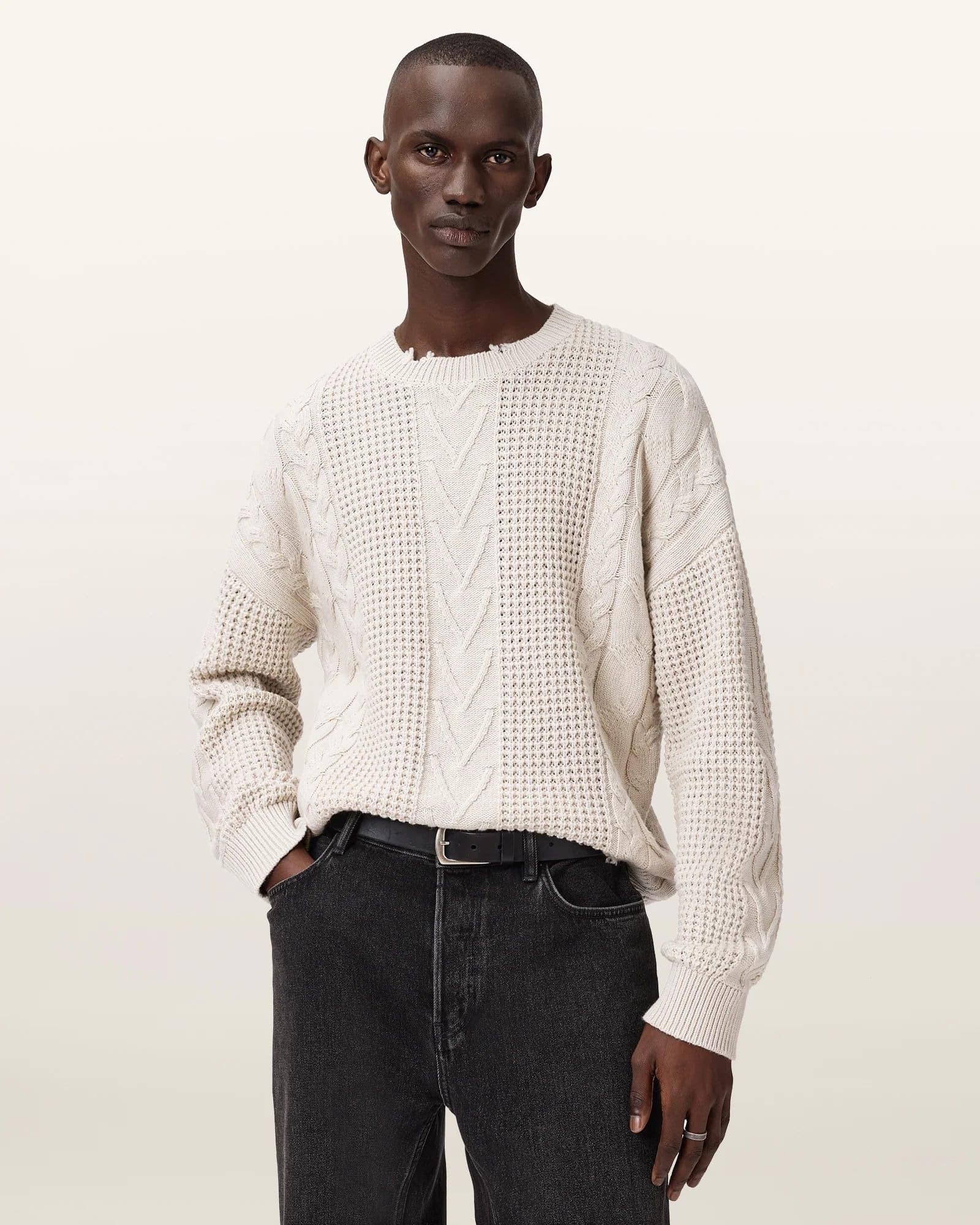
Evaluate Production Capability First
Before discussing price, confirm the factory can actually make your product well. Ask for:
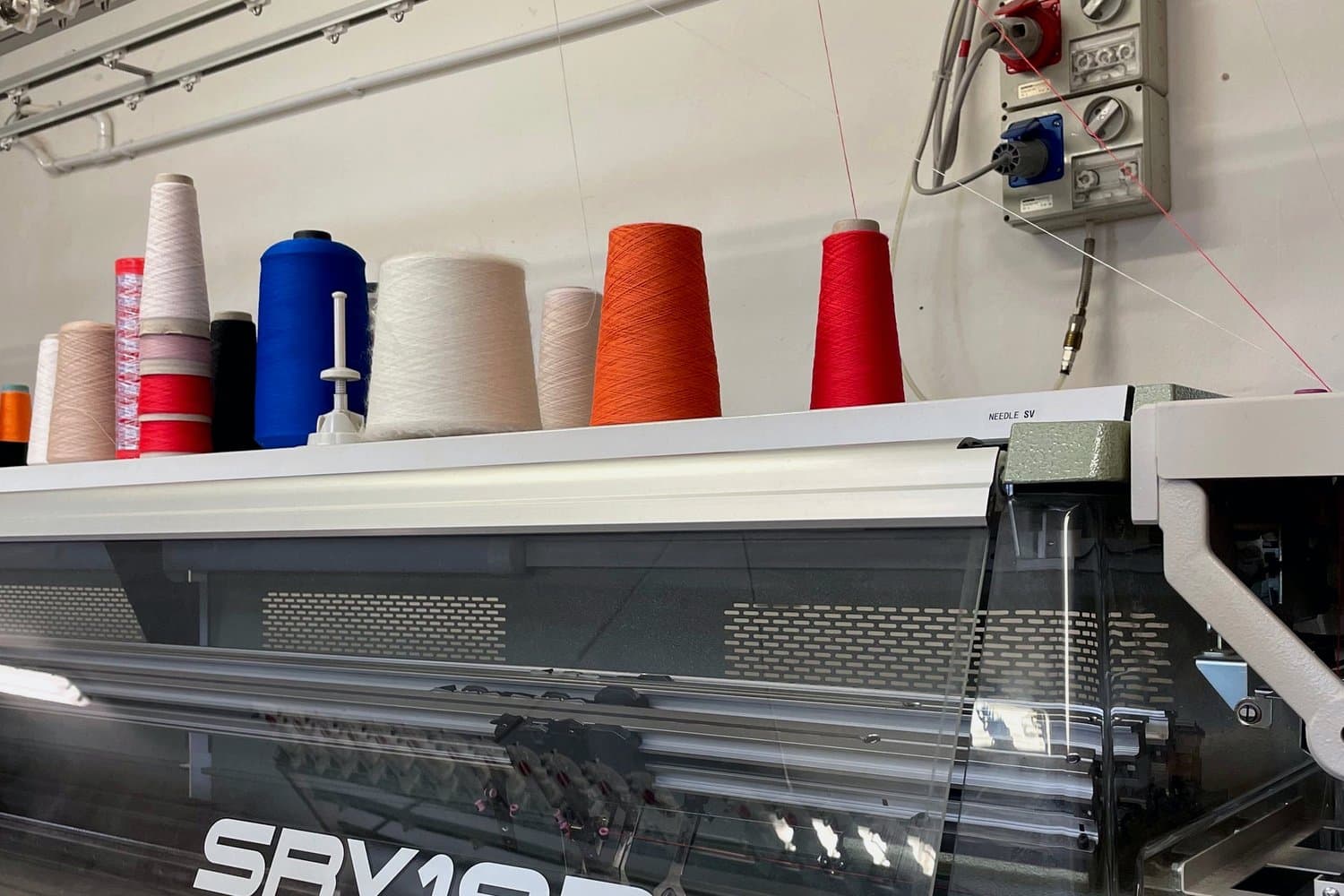
- Gauge range — fine gauge (12GG+) for lightweight knits, mid gauge (5–7GG) for classic sweaters, chunky (3–5GG) for heavy winter pieces
- Machine types and whether knitting is computerized flat knitting
- Product focus — a factory that lives in cable knits will out-perform a generalist on cables
- Monthly capacity and current lead times, so your season fits their calendar
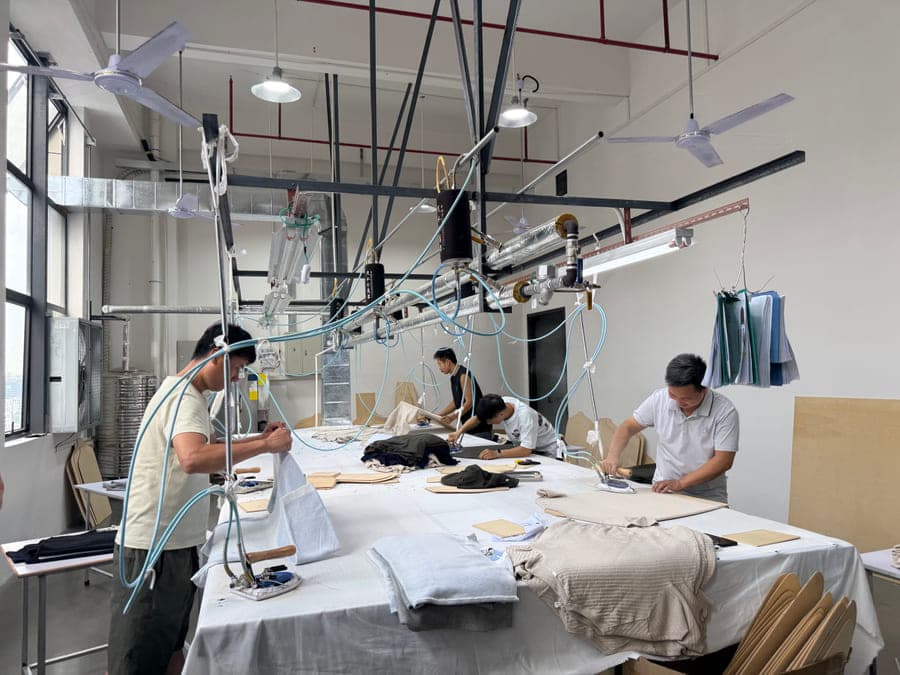
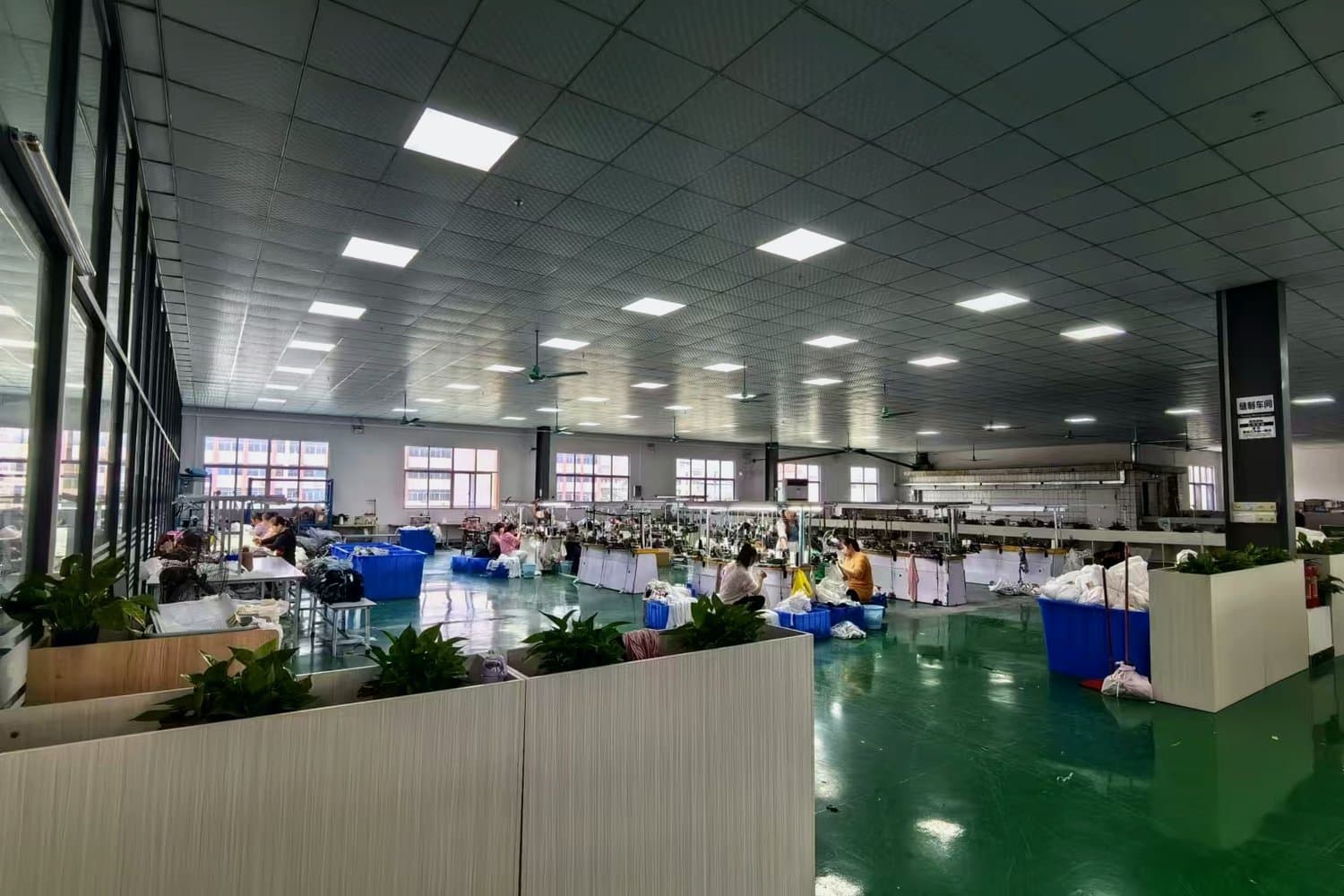
- Recent, real production photos — not stock or catalog images
Assess Material Sourcing Support
Yarn is the single biggest driver of both cost and handfeel. A strong manufacturer helps you choose between cotton, wool, merino, cashmere blends, acrylic and recycled options — and explains the trade-offs rather than just quoting the cheapest. Ask whether they hold yarn relationships that let them match your target price and season. For a deeper look, see our guide to choosing yarn for men's sweaters.
Test the Sampling and Communication Process
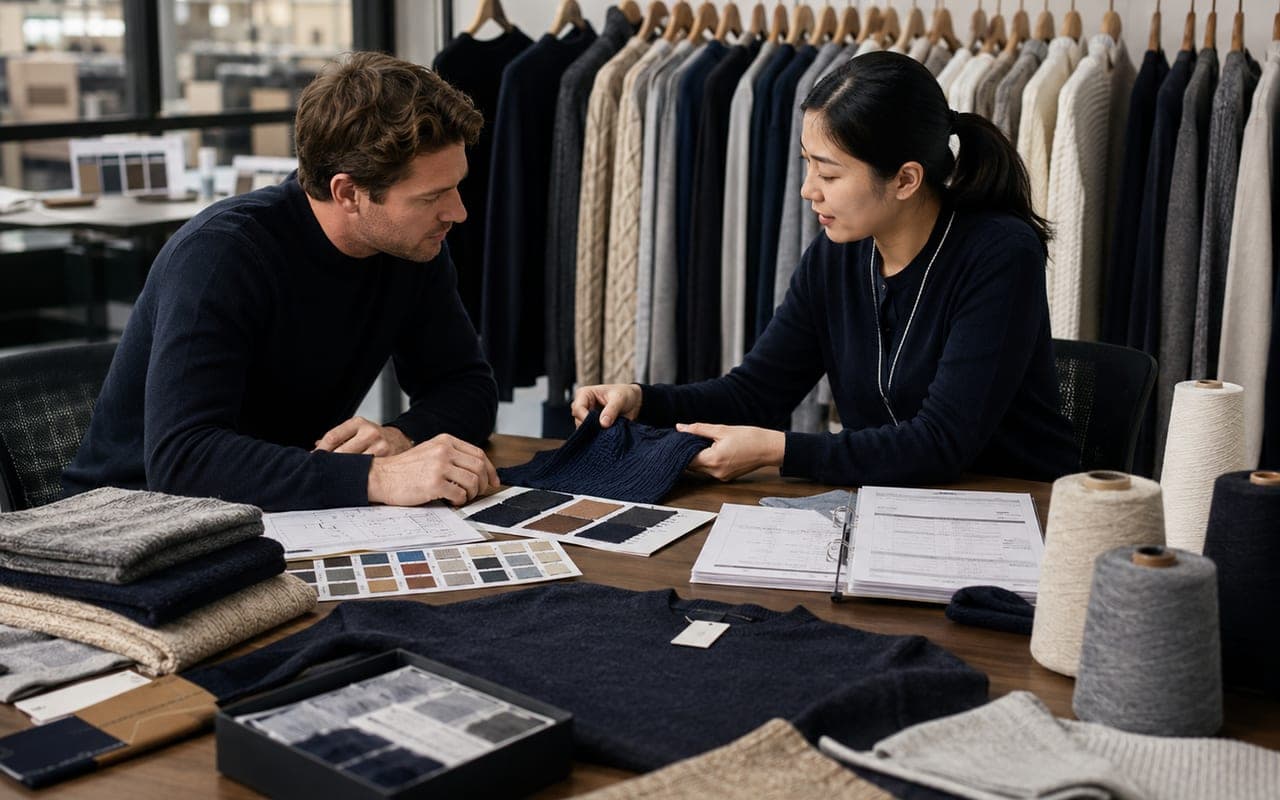
Sampling is your audition of the factory. Send a tech pack or reference and watch how they respond. The best partners ask precise questions about yarn, gauge and measurements, and proactively flag risks like shrinkage or color matching. Slow, vague replies during sampling almost always become slow, vague production. Realistic timelines matter too — our sweater sampling lead time guide explains what is normal.
Confirm Quality Control and Compliance
Reliable Chinese manufacturers inspect at several stages — incoming yarn, in-line knitting and linking, and a final AQL inspection before packing — and can test for pilling, shrinkage and color fastness. If you sell into North America or the EU, confirm they can provide the test reports and compliance documentation your market requires.
Match MOQ and Pricing to Your Stage
MOQ separates suppliers built for emerging brands from those built for large buyers. A partner that supports lower trial volumes lets you launch with less risk. Understand how quantity, color count and customization drive your unit price before you negotiate — our custom knitwear cost factors guide breaks this down.
A Shortlisting Scorecard
Score each candidate honestly before committing:
| Criteria | Weak | Strong |
|---|---|---|
| Capability | Vague answers, no floor photos | Specific gauge/machines, real photos |
| Materials | Quotes cheapest only | Explains trade-offs, matches target |
| Sampling | Says yes to everything | Asks technical questions |
| Quality control | Final check only | Multi-stage QC + test reports |
| Fit | Pushes large MOQ | Supports trial orders |
A supplier that scores "strong" on capability, materials and QC is worth building a long-term program with — even if their quote is not the lowest you received.
Red Flags to Walk Away From
Some signals are worth ending a conversation over, regardless of price:
- No verifiable address or real floor photos — only stock images and a logo.
- A quote that says yes to everything instantly — no questions about yarn, gauge or measurements means they are not engaging with your spec.
- Prices far below every other quote — usually a yarn substitution or a quality corner you will discover in bulk.
- Evasive answers on QC and testing — or an inability to provide reports your market needs.
- Communication that is already slow before you have placed an order — it does not improve once they have your deposit.
Questions to Ask on the First Call
Bring these to a first conversation and the right partner will answer them confidently:
1. Do you knit and link in-house, or outsource? 2. What gauges and machine types do you run? 3. What is your MOQ per color, and do you support trial orders? 4. What is your realistic sample and bulk lead time right now? 5. How do you handle QC, and what test reports can you provide? 6. Can you share recent production photos of a style like mine?
Common Questions
Is it safe to start with a small first order? Yes — a partner that supports trial volumes is exactly the kind you want; it lowers your risk and tests the relationship.
Should I always pick the lowest quote? No. Compare like-for-like on yarn and quantity first; the lowest number often hides a cheaper yarn.
Factory or trading company? For a core, repeatable program, prefer a factory that controls knitting and finishing; for small, varied ranges a good trading partner can work.
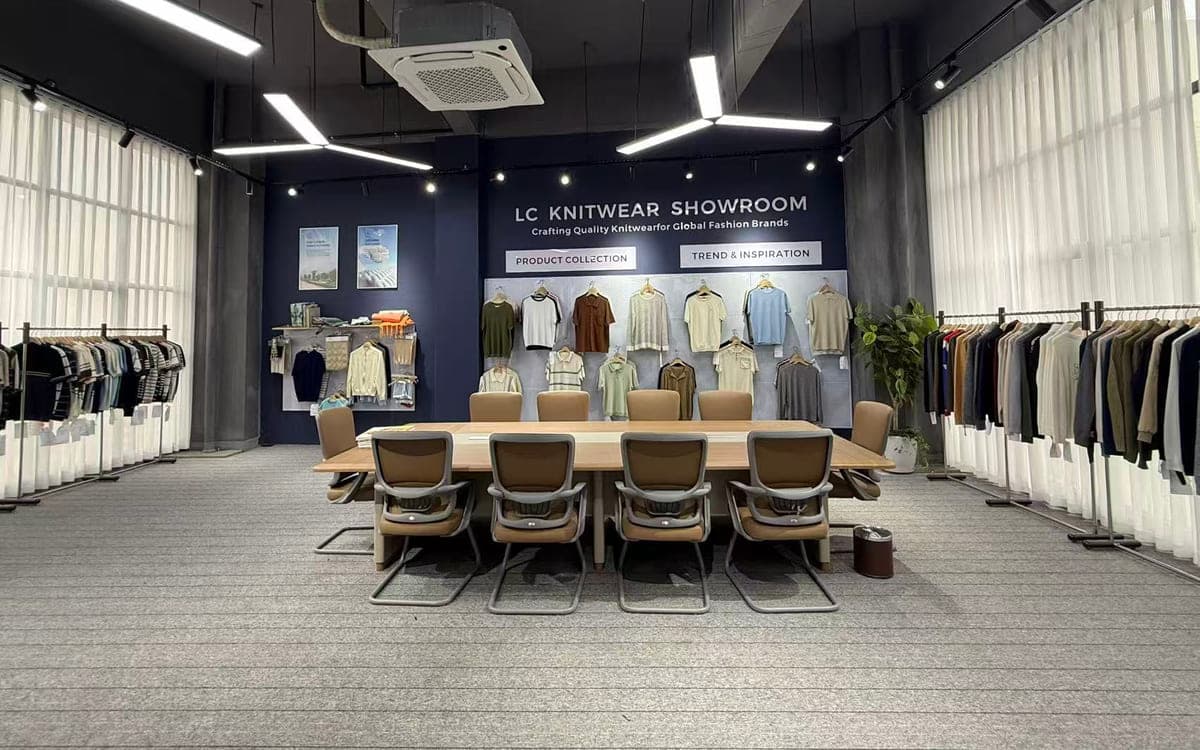
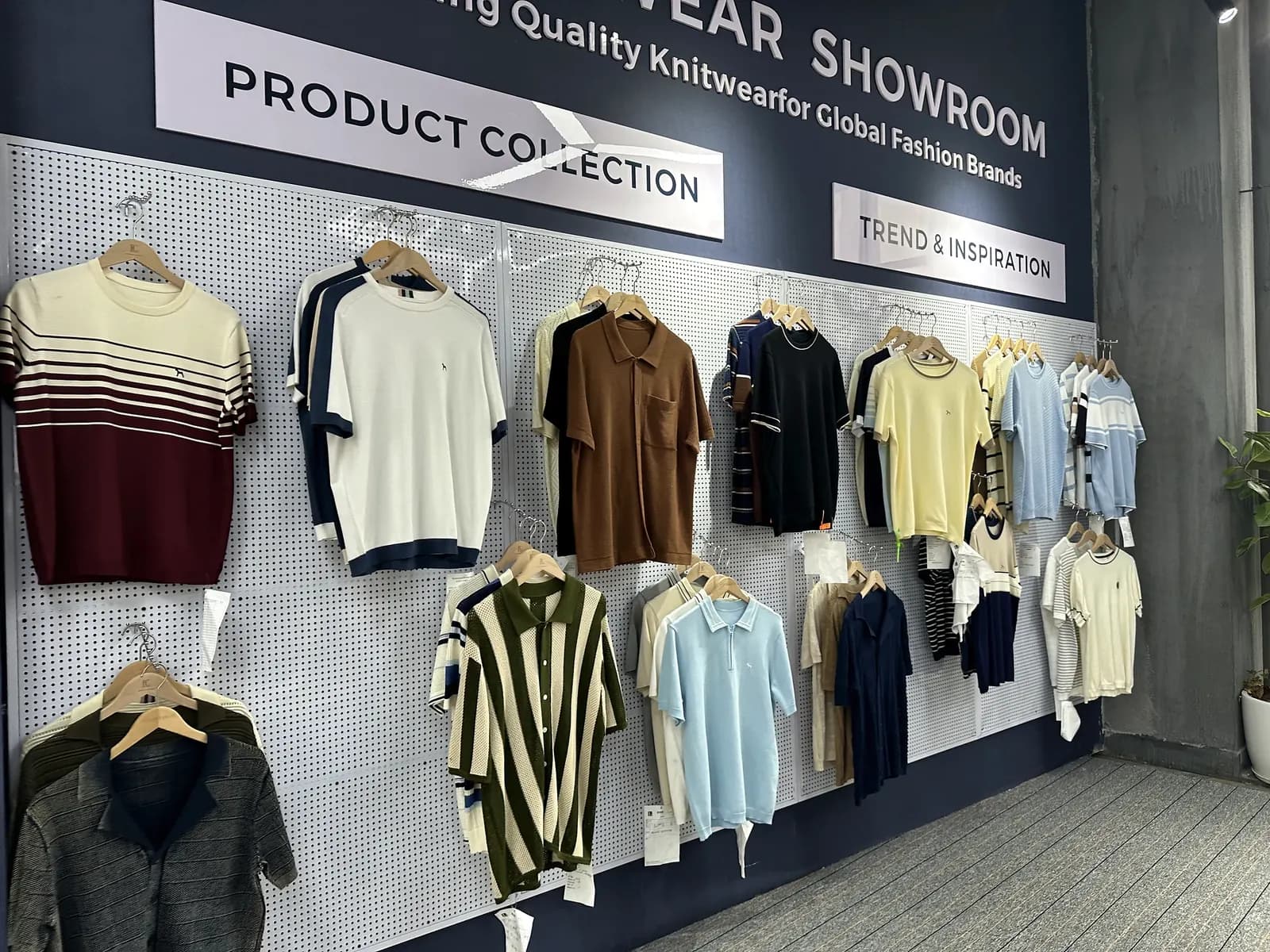
Licheng Knitwear is a Guangdong-based knitwear manufacturer supporting B2B buyers in North America and Europe with verifiable capability, full material guidance and low-risk sampling. Browse our products or request a quote to start.
---
Talk to our team about this
If you're planning a real project around any of the points above, we'd be glad to take a quick look. Send a short brief and we'll come back within one business day with a practical direction, MOQ + lead time estimate, and a sample plan if it makes sense.
→ Request a free quote · Download the men's knitwear catalog · WhatsApp us · info@lcgarment.cn
Producten
Alle producten bekijken ->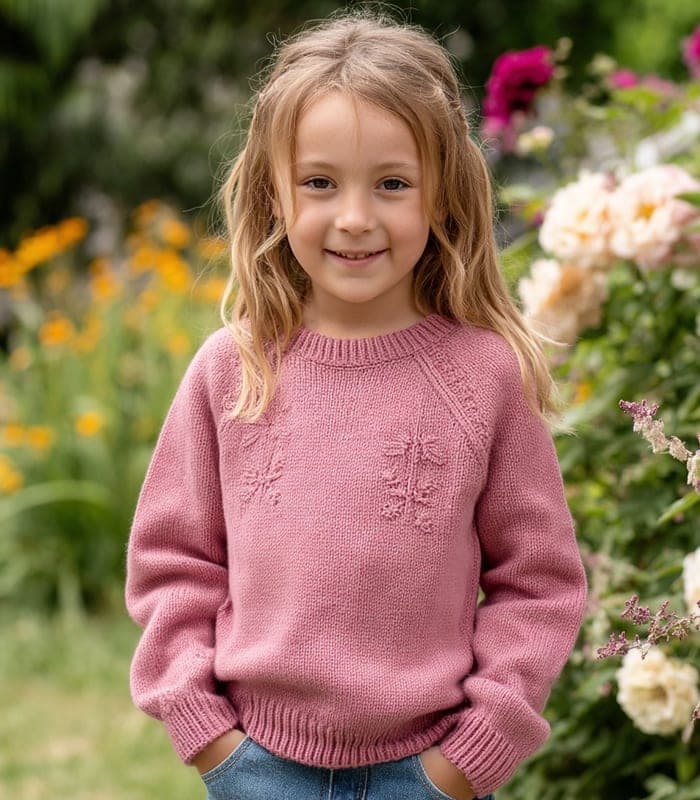
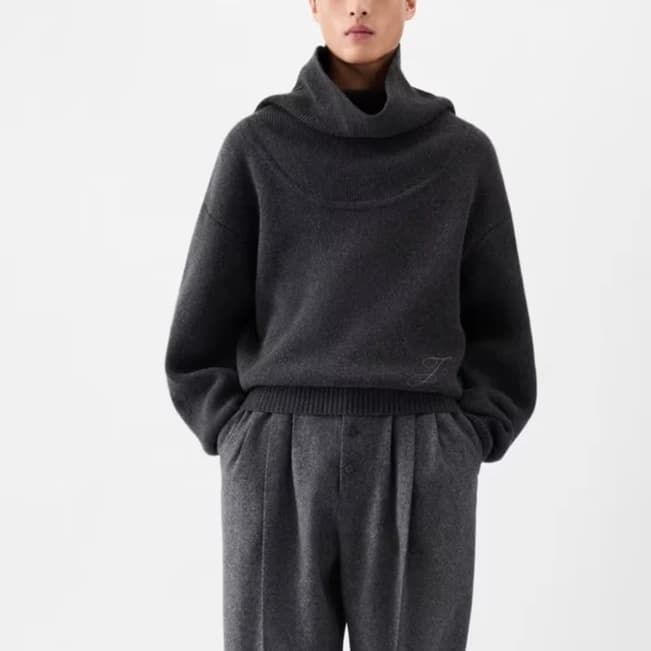
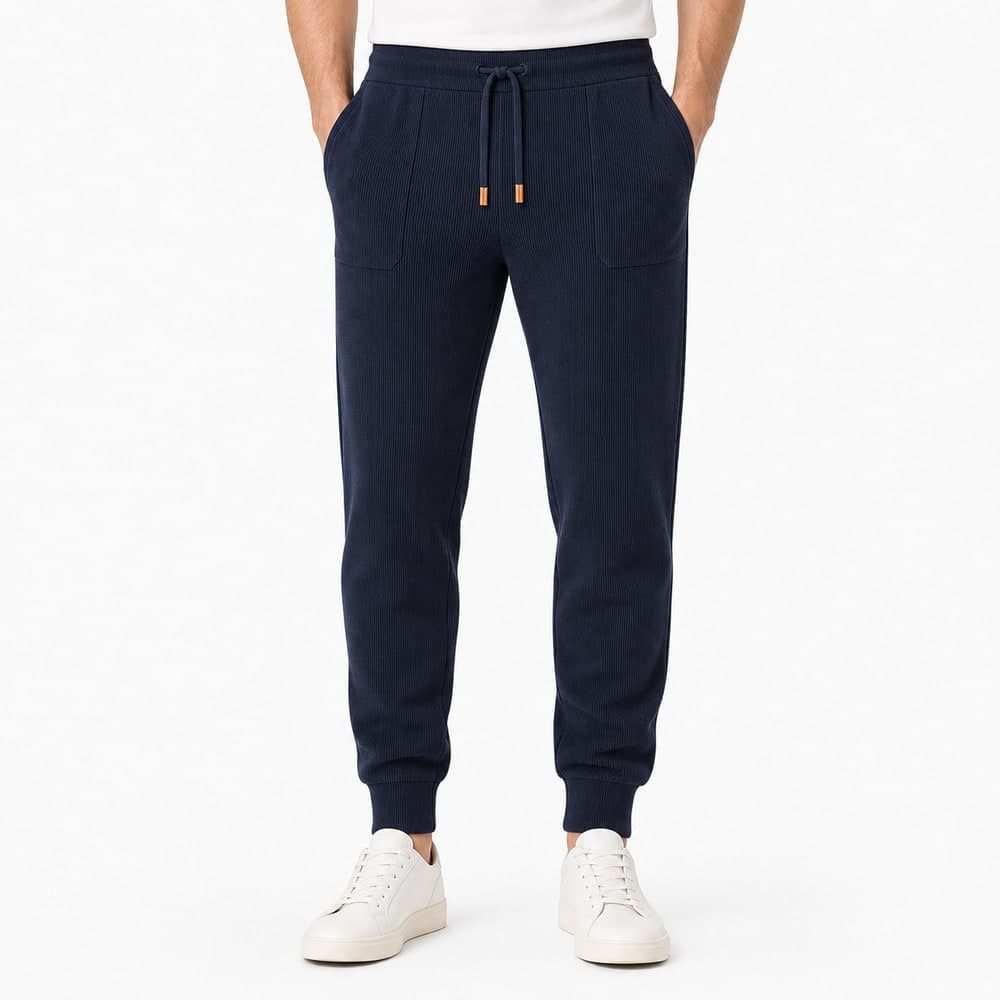
Resources
Alle artikelen bekijken ->Frequently Asked Questions
It helps confirm maten, garen, gauge, afwerkingen en verpakking voor sampling, reducing avoidable revision en kosten confusion.
Check certifications with scope, a real factory walkthrough, a gauge/yarn range that fits your product, a reasonable MOQ (from 50/colour for small brands), and responsive sampling.
Yes - a paid sample (15-25 days) confirms quality, fit and yarn before you commit to bulk.
Samples 15-25 days, bulk 30-45 days, plus 25-35 days sea freight to NA/EU.
We focus on heren truien, cardigans, gebreide jacks, jacquard knitwear en private label knitwear. We ondersteuning B2B-kopers met OEM/ODM ontwikkeling, sampling en bulkproductie planning.
Ready sample styles en selected custom programma's can ondersteuning lower-risk trials voor larger seizoensgebonden orders.