Knit Gauge Guide: 3GG, 5GG, 7GG and 12GG
A simple guide to common knit gauges and how 3GG, 5GG, 7GG and 12GG affect sweater weight, texture and product direction.
1. Resumen
A simple guide to common knit gauges and how 3GG, 5GG, 7GG and 12GG affect sweater weight, texture and product direction. This guide walks you through the manufacturing journey with Licheng Knitwear.
Buyer Guide Content
Gauge is one of the most misunderstood specifications in knitwear, yet it quietly determines how a sweater looks, feels, drapes and costs. If you are developing a knit program, understanding gauge lets you brief a factory precisely and avoid the disappointment of a sample that is too heavy, too thin or simply wrong for the season. This guide explains what gauge means and how the common ranges compare.
Gauge is not just "thickness." It is the stitch density that defines the entire character of a knit, from handfeel to price.
What Gauge Actually Means
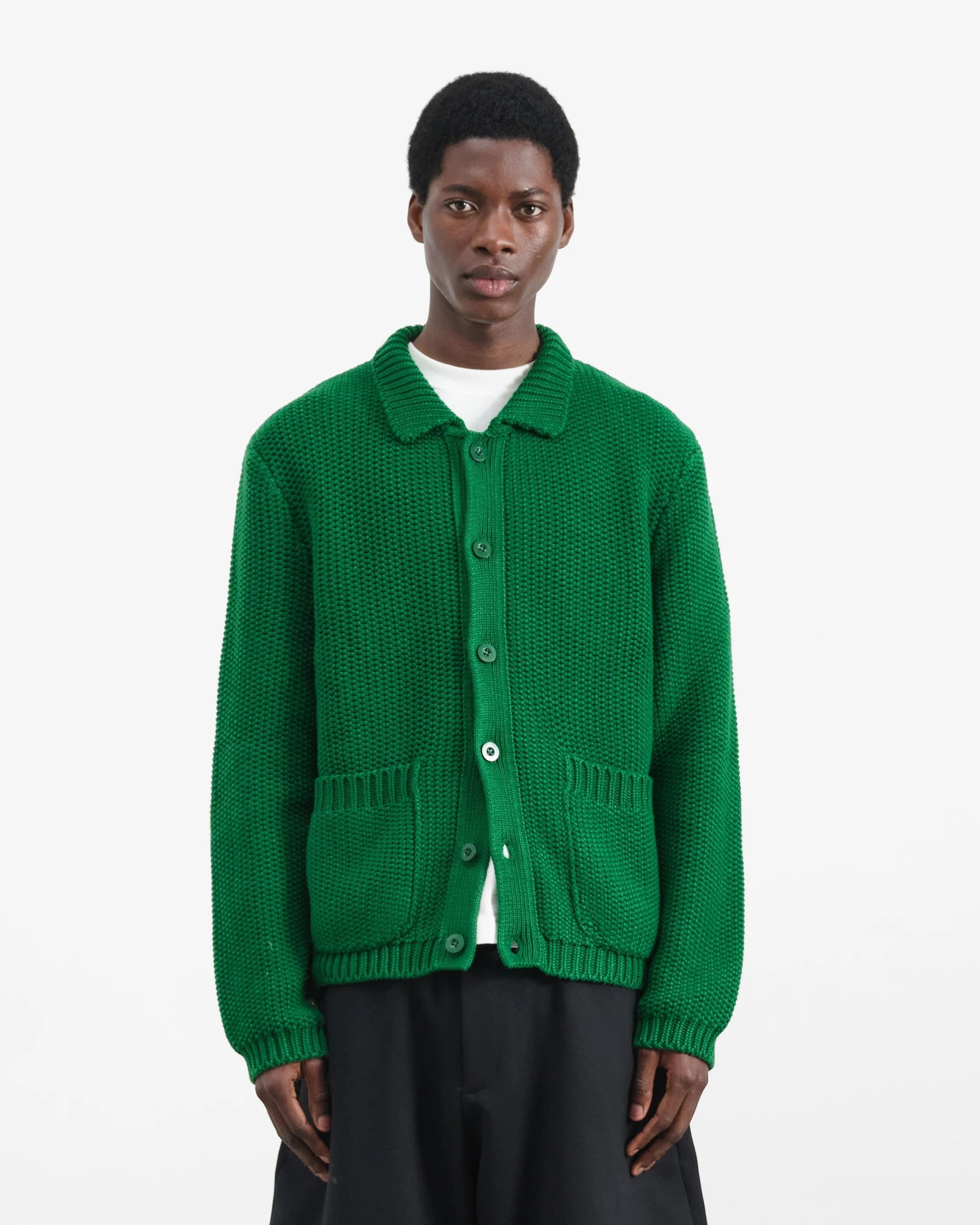
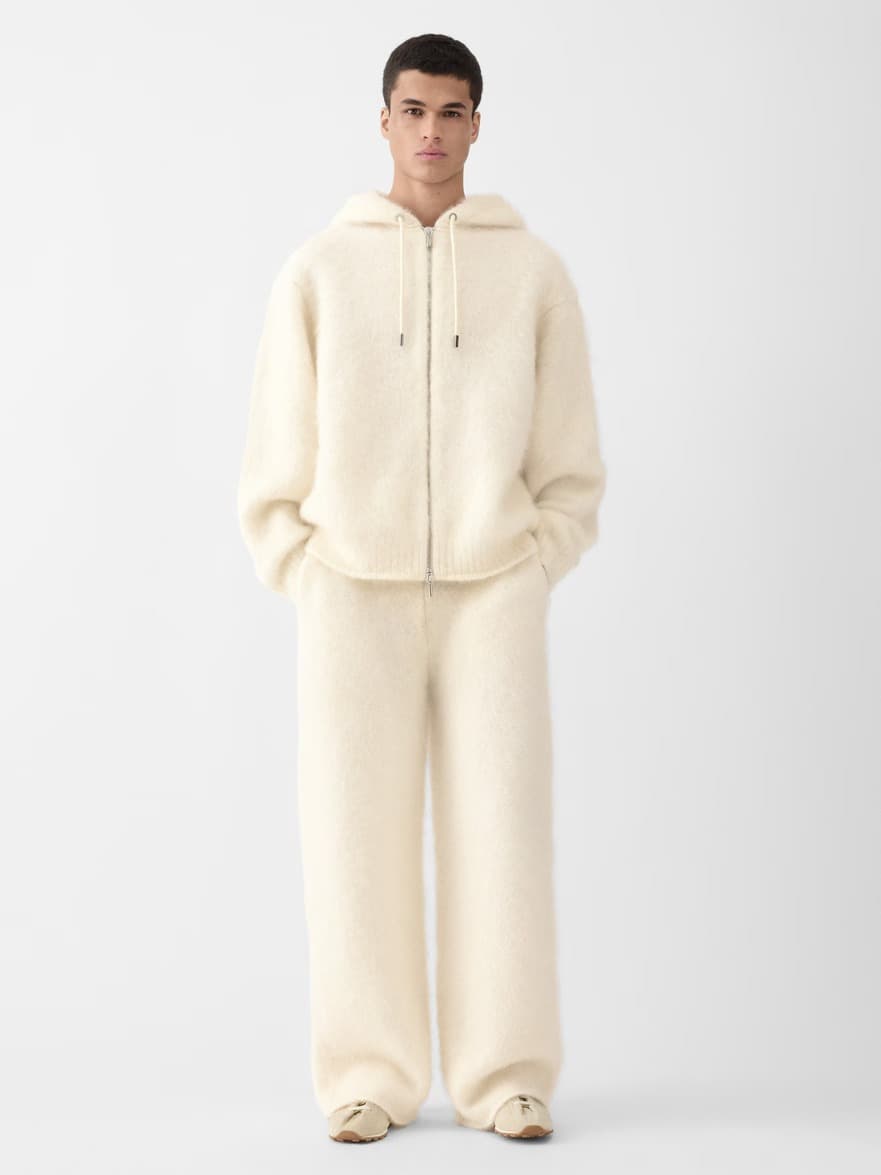
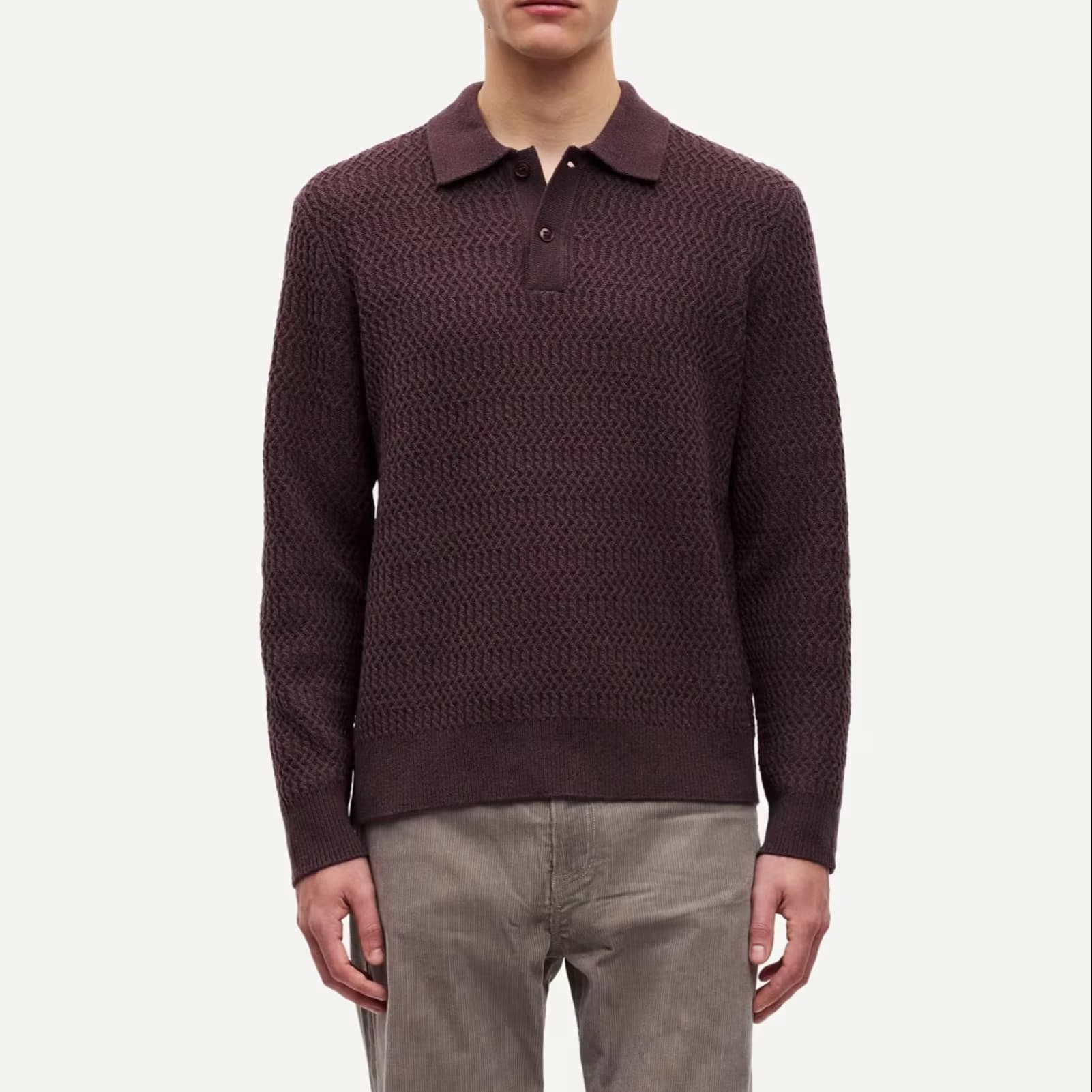
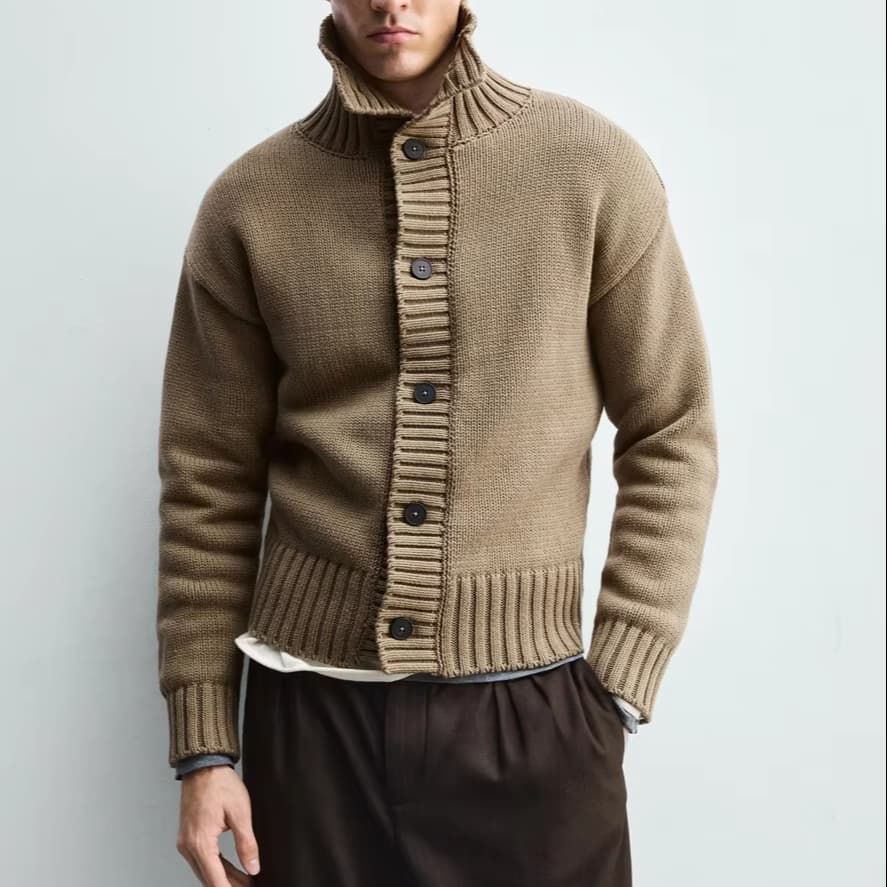
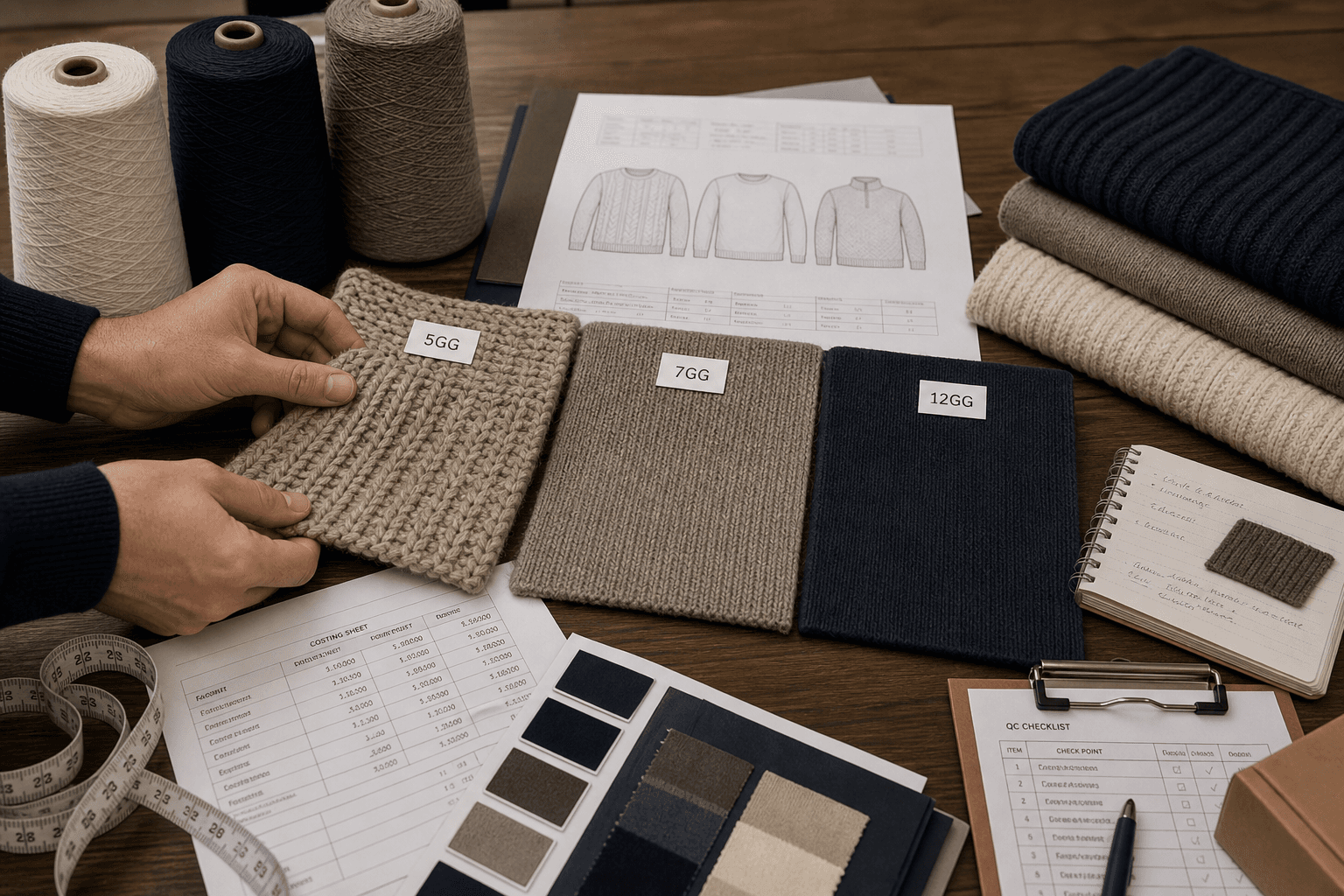
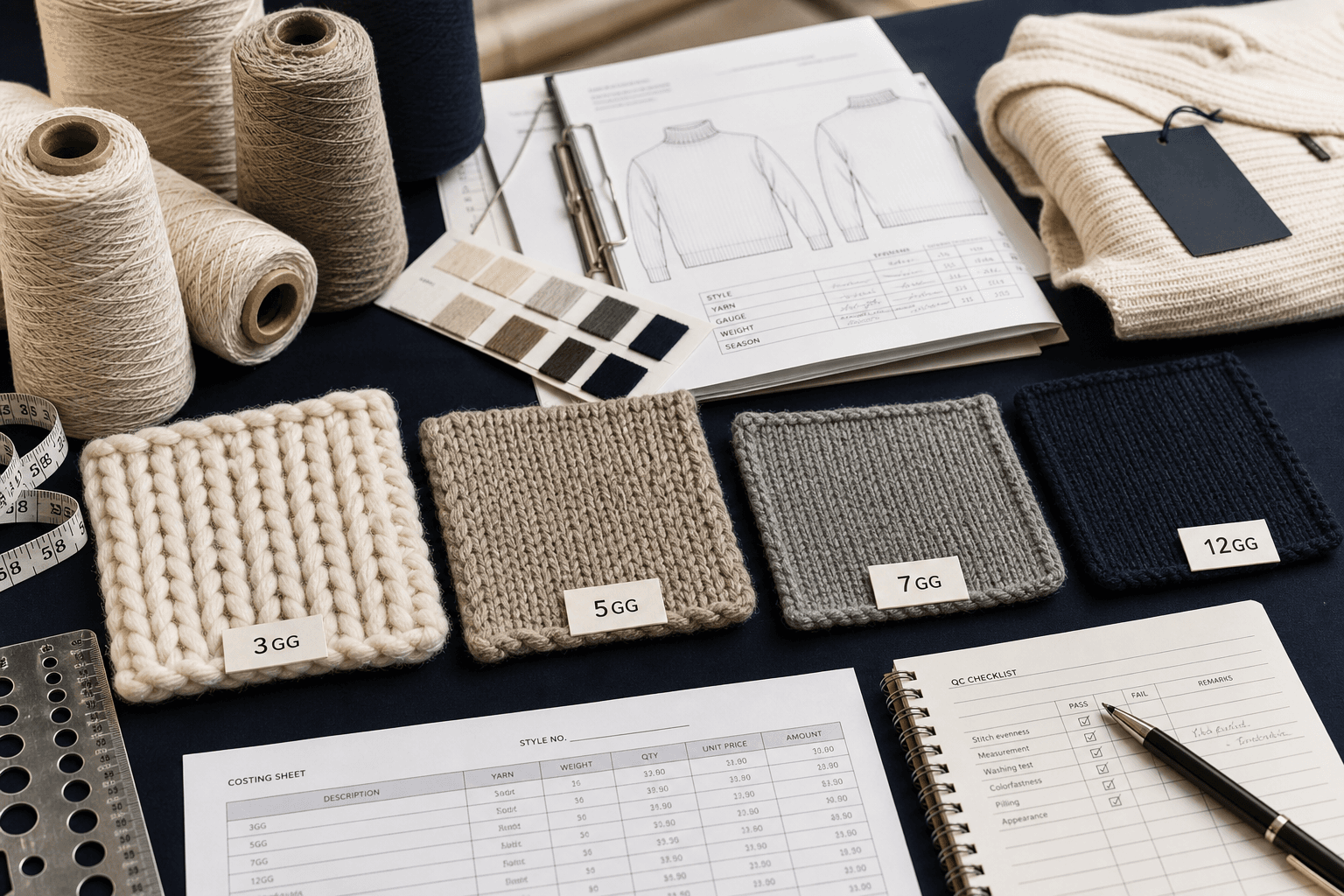
Gauge (written as GG, for "gauge") refers to the number of needles per inch on the knitting machine. A higher number means more needles packed closer together, which produces a finer, tighter knit. A lower number means fewer, larger needles and a chunkier, more open knit. So counterintuitively, higher GG = finer and lighter, and lower GG = chunkier and heavier.
| Gauge | Character | Typical weight | Best season |
|---|---|---|---|
| 3GG | Very chunky, bold texture | Heavy | Deep winter |
| 5GG |