Climate & Season
Select weight and warmth for your target season.
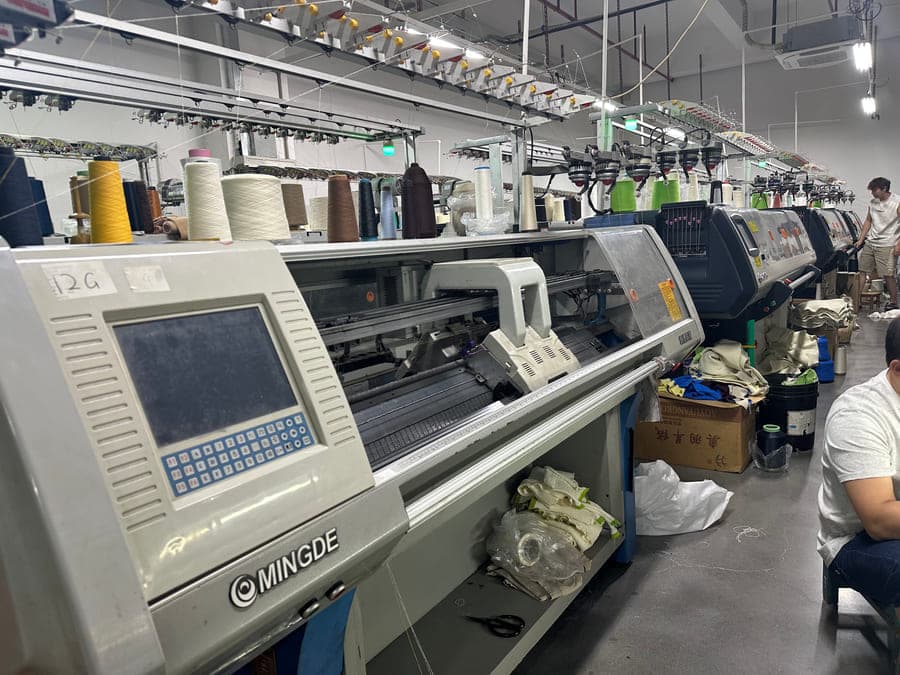
Oversized knitwear is not a bigger sweater - it is a different set of decisions about gauge, stitch tension, yarn character and where the shoulder sits. We develop relaxed and oversized silhouettes with deliberately opened stitch density, most often at 7GG, in yarns chosen for a soft, hairy, lightweight handle: wool/alpaca blends, mohair blends and brushed lambswool. Half-cardigan (half-brioche / fisherman rib), full-cardigan rib, cable, pointelle and open-work, jacquard and intarsia are all knitted in house across 3GG-18GG. Minimum order stays 30 pieces per colour with sizes mixed inside that 30, so a first collection or a capsule drop is workable.
Galga
3GG - 18GG
Calidad
Controles por etapa
Fabricacion
Soporte knitwear custom
Mercados
USA, Europa y mas
Considere factores practicos antes del muestreo. La capacidad elegida afecta textura, coste, tacto, plazo y mercado.
Select weight and warmth for your target season.
Match texture, drape and premium handfeel.
Plan sweaters, cardigans, polos or jackets.
Align with buyer preference and price point.
Oversized knitwear is not a bigger sweater - it is a different set of decisions about gauge, stitch tension, yarn character and where the shoulder sits. We develop relaxed and oversized silhouettes with deliberately opened stitch density, most often at 7GG, in yarns chosen for a soft, hairy, lightweight handle: wool/alpaca blends, mohair blends and brushed lambswool. Half-cardigan (half-brioche / fisherman rib), full-cardigan rib, cable, pointelle and open-work, jacquard and intarsia are all knitted in house across 3GG-18GG. Minimum order stays 30 pieces per colour with sizes mixed inside that 30, so a first collection or a capsule drop is workable.
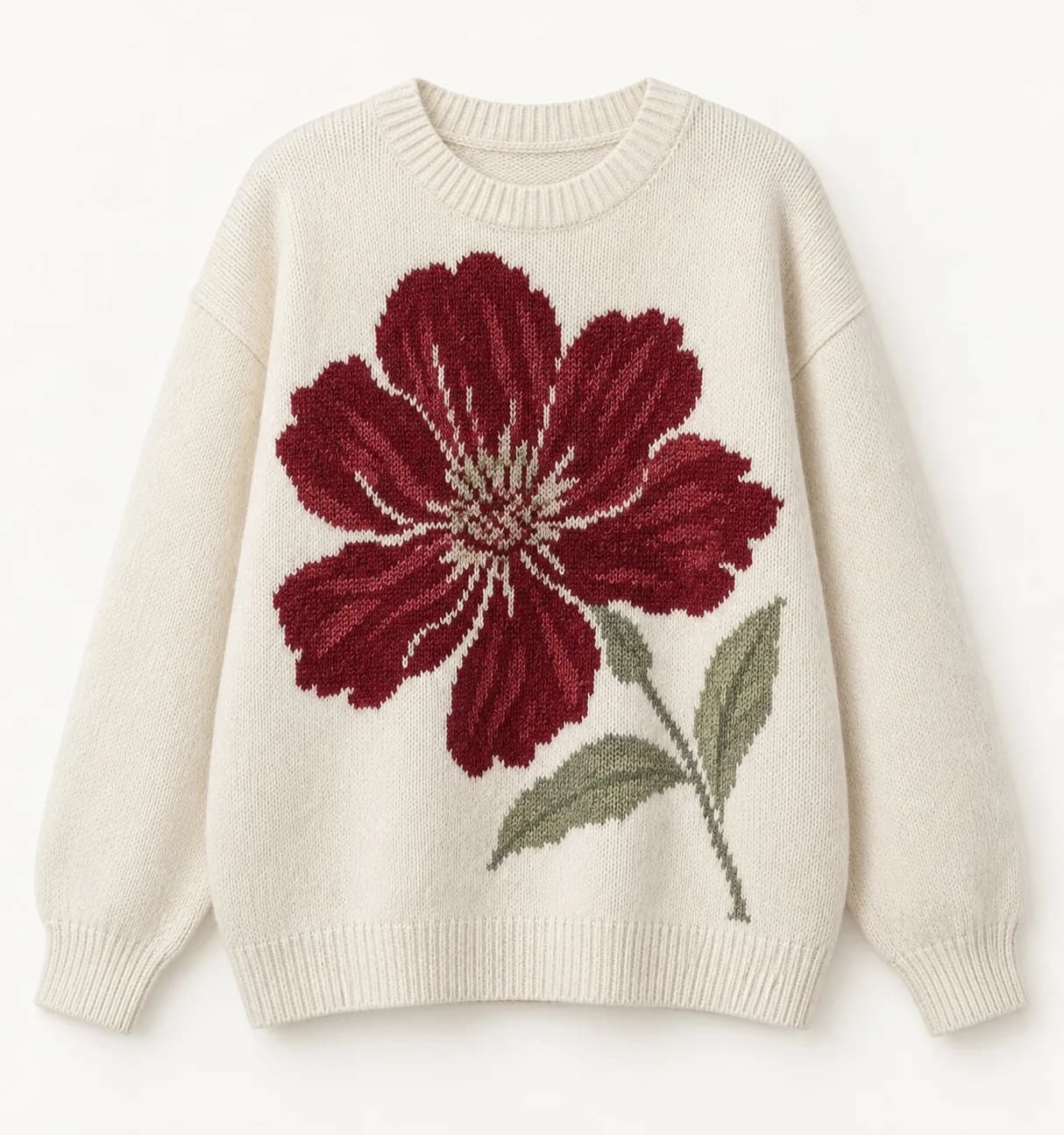
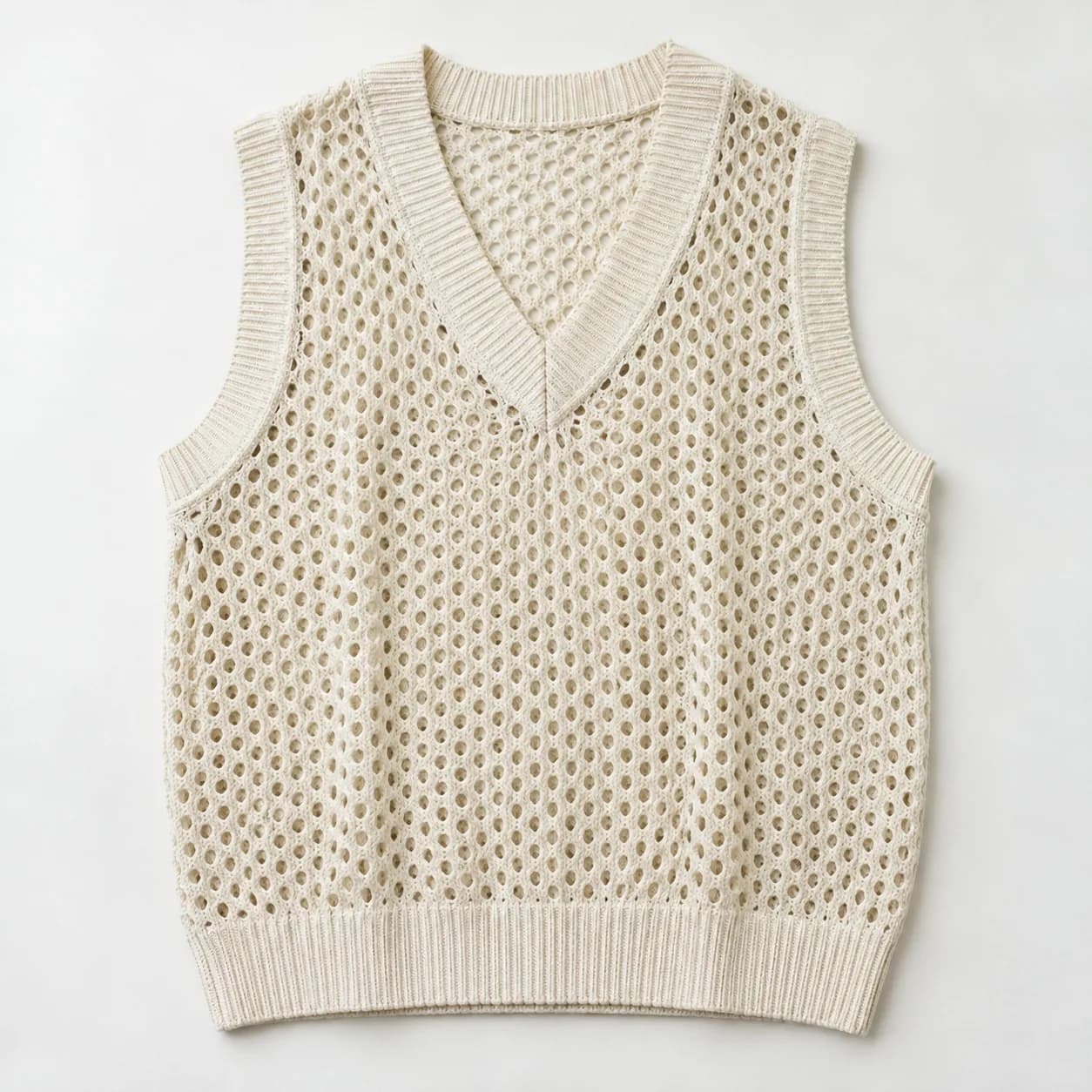
Gauge: 3GG-18GG in house; 7GG is the usual home for a relaxed, airy handle and 276 of our published styles are knitted at it. Tension: this is where voluminous knitwear is won or lost - stitch density is opened deliberately rather than simply grading the pattern up, so the fabric keeps its drape and volume instead of going limp; because loose tension changes both measurements and yarn consumption, we confirm it on a knitted swatch before the graded sample. Stitch structures: plain jersey; 1x1 and 2x2 rib; half-cardigan (half-brioche / fisherman rib) and full-cardigan rib; cable; pointelle and open-work; jacquard and intarsia. Yarn character for the soft hairy look: wool/alpaca blends (drape and a soft halo, less prickle than mohair), mohair blends (longer, more visible halo), or a brushed lambswool (the most economical of the three). Melange, marl and multi-colour stripe effects are knitted in the yarn, not printed. Silhouette control - how the volume is actually built: drop shoulder, extended armhole, a wider body with a proportionally shortened length for a boxy, sculptural line, and rib depth at neck, cuff and hem tuned so an oversized body still holds its shape after wash. Decoration: embroidery and appliqué for placed artwork. MOQ 30 pieces per colour, sizes may be mixed within that 30. Sampling about 15-25 days from a confirmed tech pack and yarn; bulk 30-45 days depending on quantity and customization.
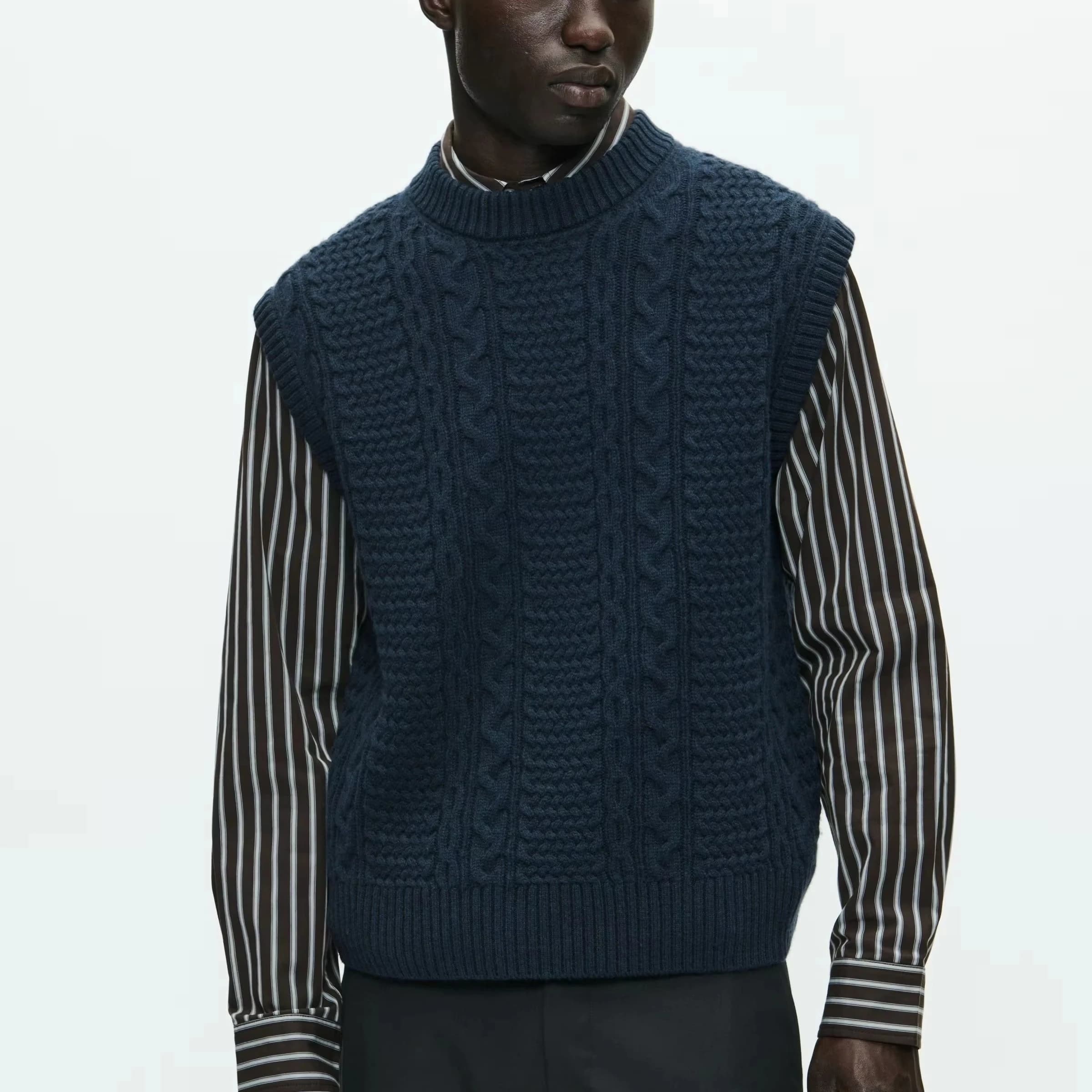
This capability suits oversized crew necks and turtlenecks, relaxed cardigans and shirt-collar cardigans, knit vests, boxy knit polos and unisex capsule pieces. It is a good fit for new and independent brands building a first collection, where the silhouette carries the identity and the run length is short - our 30-piece-per-colour minimum with mixed sizes is designed for exactly that. It also suits established brands adding a relaxed line beside an existing fitted range, where the same yarn has to work across two very different tensions.
Developed for apparel brands in North America and Europe. North American buyers most often ask for unisex sizing, cotton and cotton-blend handles for a longer wearing season, and placed embroidery or appliqué artwork. European buyers - Germany, the UK and the Nordics in particular - more often ask for wool, alpaca and mohair blends, melange and stripe yarn effects, and a documented fibre origin. Both routes are quoted on the same 30-piece minimum.
Two things decide whether an oversized style works in bulk. First, tension consistency: an open stitch shows variation far more than a tight one, so the knitting parameters are locked at swatch stage and checked again at the first bulk panel. Second, weight and recovery: a hairy, loosely knitted fabric can grow after wash, so we test the intended care cycle on the sample and adjust rib depth and yarn twist before bulk rather than after. Confirm the wash care and the intended layering (over a tee, over a shirt) at sampling, because both change the finished measurements you should sign off.
Direcciones de producto existentes que pueden usar esta capacidad.

Other capabilities
Share your concept, sketch or reference.
We recommend gauge, yarn and construction.
We develop samples and refine until approved.
Confirm details, size specs and production plan.
Quality manufacturing with on-time delivery.
Materiales relacionados
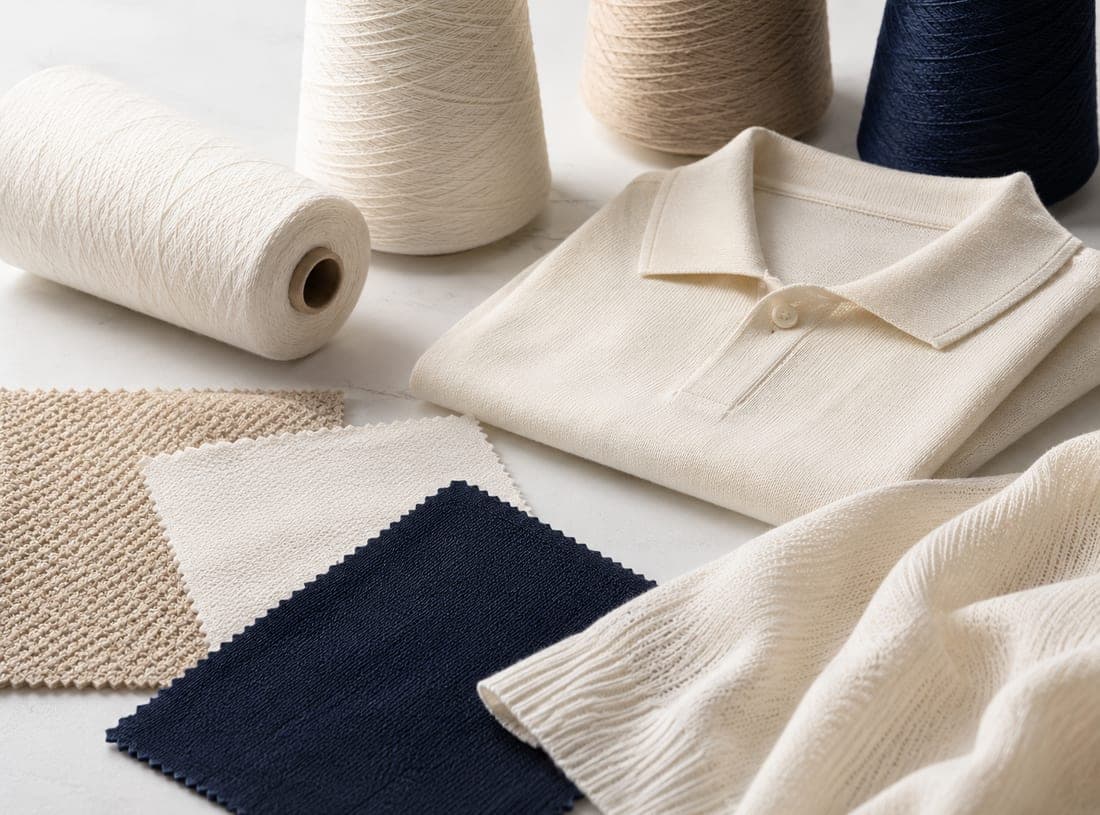
Dirección de hilo de algodón transpirable para prendas de punto personalizadas de primavera, verano y entretiempo.
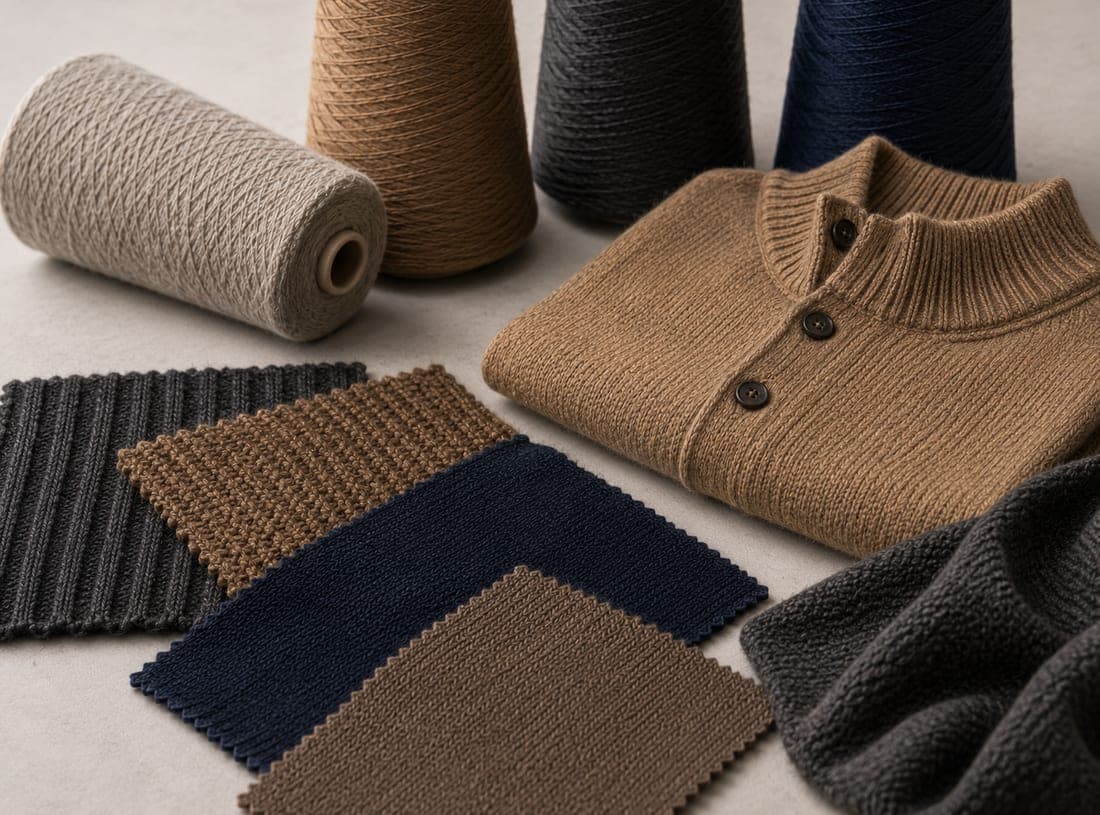
Calidez equilibrada, control de costes y tacto premium para programas de prendas de punto de otoño e invierno.
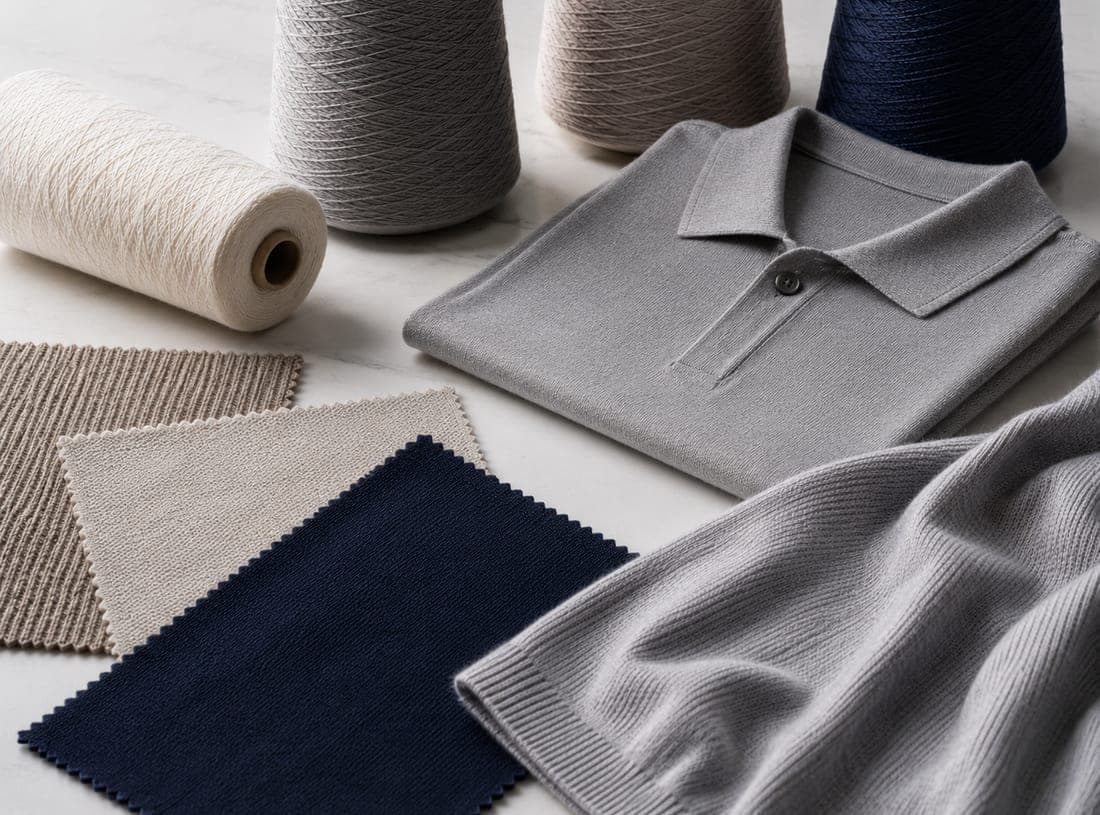
Propuesta en lana fina para suéteres premium ligeros y prendas de punto refinadas de hombre.
Guias relacionadas
We change three things together rather than just grading the pattern up: the stitch tension is opened so the fabric keeps drape instead of going limp, the shoulder is dropped and the armhole extended so the volume sits where it should, and the body is widened with a proportionally shortened length. Rib depth at neck, cuff and hem is then tuned so the garment holds its shape after wash. We confirm all of it on a knitted swatch before the graded sample.
7GG is the usual home for it - 276 of our published styles are knitted at 7GG - and we work across 3GG-18GG in house. Going chunkier (5GG or 3GG) gives more presence but less drape; going finer (12GG) keeps the drape but loses the airy look. We will knit the same yarn at two tensions so you can choose from fabric rather than from a description.
Three routes. A wool/alpaca blend gives drape and a soft halo with less prickle than mohair. A mohair blend gives a longer, more visible halo. A brushed lambswool is the most economical of the three and is the easiest to repeat in bulk. Melange, marl and multi-colour stripe effects are knitted in the yarn rather than printed. Tell us your target price, season weight and care requirement and we will name a specific composition.
Yes. We knit half-cardigan stitch (half-brioche / fisherman rib) and full-cardigan rib, plus plain jersey, 1x1 and 2x2 rib, cable, pointelle and open-work, jacquard and intarsia. Half-cardigan is usually developed at 5GG-7GG where the stitch has room to bloom.
30 pieces per colour, and sizes may be mixed inside that 30 - so a first collection or a test drop is workable without committing to a full size run per colour. Development samples take about 15-25 days from a confirmed tech pack and yarn; bulk production runs 30-45 days depending on quantity and how much customization the style carries.
Nos especializamos en suéteres de hombre, cárdigans, chaquetas de punto, prendas de punto jacquard y prendas de punto de marca privada. Apoyamos a compradores B2B con desarrollo OEM/ODM, desarrollo de muestras y planificación de producción en serie.
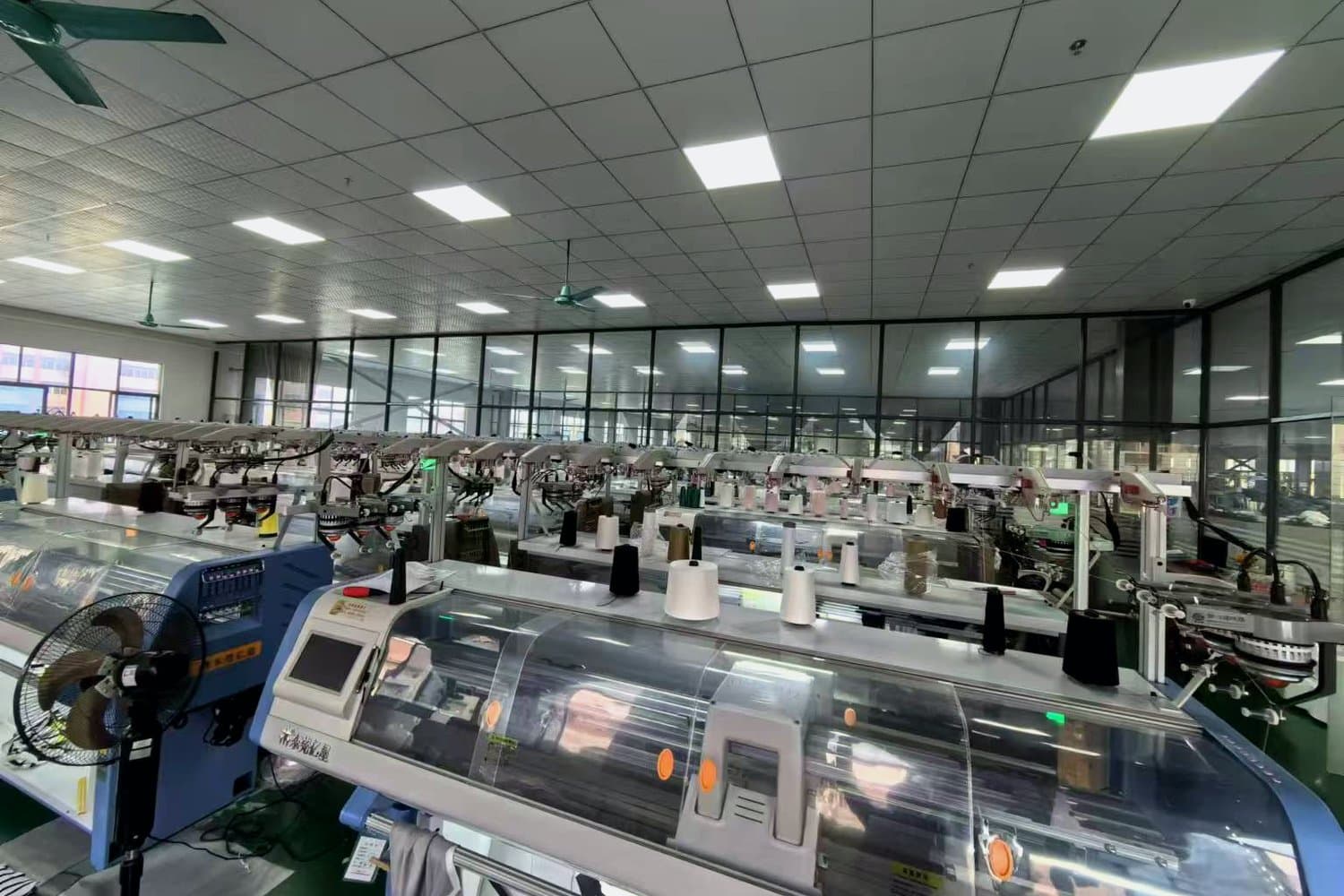
We partner with your team to turn ideas into best-selling knitwear. From concept and sampling to bulk production and delivery, our experts guide every step.
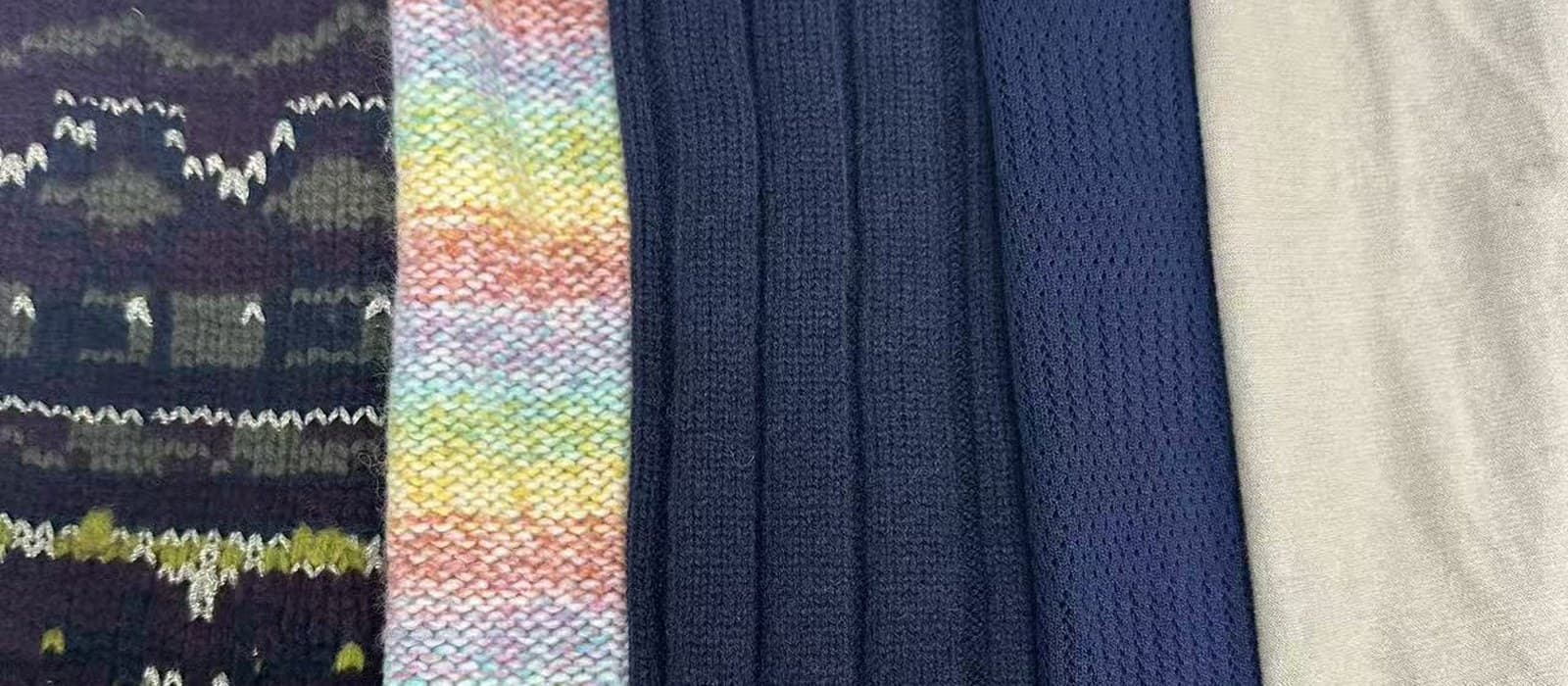
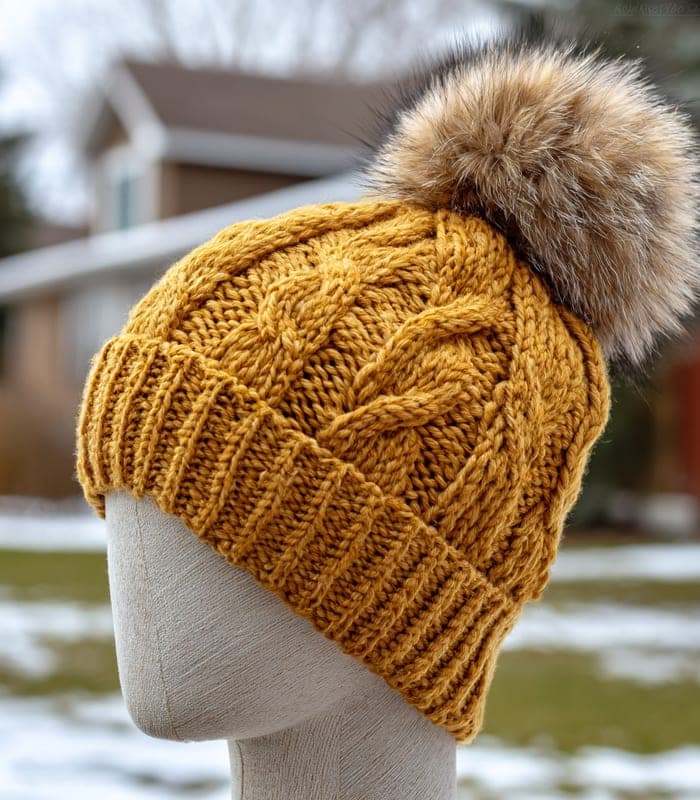
MOQ, plazos, rangos de coste, elección de galga y puntos de control de calidad en los programas OEM/ODM habituales para Norteamérica y Europa. Deje su correo y le enviamos el enlace en 30 segundos.
Sin spam. Cancele la suscripción con una sola respuesta. Usamos su correo únicamente para enviarle el informe y, si lo desea, continuar la conversación de sourcing.
Las marcas mostradas son socios OEM/ODM a los que hemos prestado servicio anteriormente. Los logotipos son decorativos y no implican ningún respaldo actual.