Jerséis de algodón frente a lana para marcas de moda
Actualizado 4/9/202612 min readPor Simon Liu · Licheng Knitwear
Una guía comparativa de materiales para marcas de moda que eligen entre algodón, mezcla de lana y direcciones de hilo relacionadas para jerséis personalizados.
¿Algodón o lana? Es una de las primeras preguntas a las que se enfrenta una marca de moda al planificar una colección de jerséis, y la respuesta determina la temporada, el precio, el tacto y la percepción del cliente. Ninguno es mejor en términos absolutos; sirven para programas distintos. Esta guía compara los jerséis de algodón y de lana en función de los factores que importan a los compradores B2B, para que puedas elegir con confianza.
La decisión entre algodón y lana es en realidad una decisión de temporada y posicionamiento. Acierta en eso y la fibra se elige sola.
El algodón y las mezclas de algodón mantienen las prendas ligeras y transpirables, ideales para colecciones de primavera, verano y entretiempo.
Cuándo gana el algodón
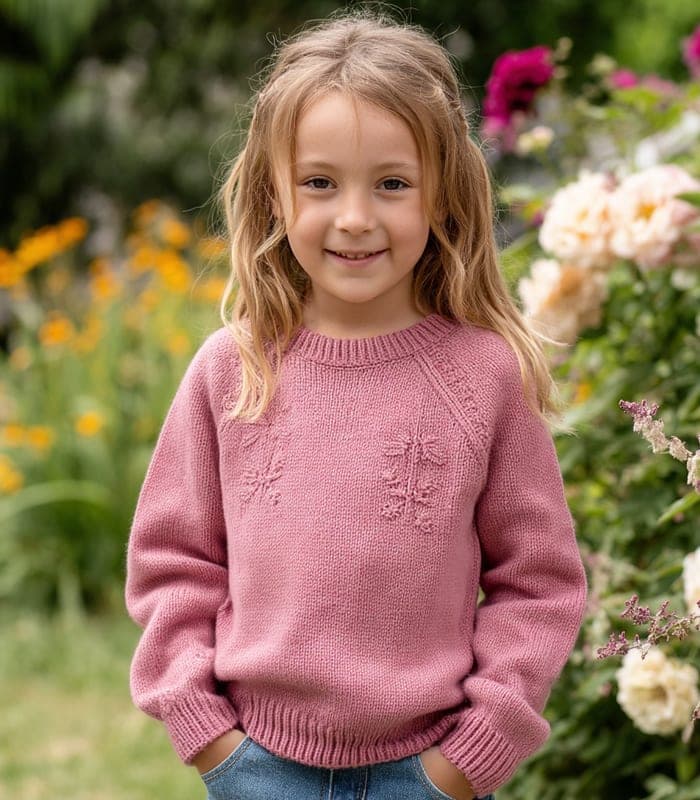
El algodón es ideal para colecciones de clima cálido y de entretiempo. Es transpirable, fresco al contacto con la piel y fácil de cuidar, lo que atrae al cliente del día a día. Acepta bien los colores vivos y transmite un aire casual y cercano. El algodón es también una opción sólida para programas de valor y para marcas cuyos clientes quieren prendas de punto lavables a máquina. La contrapartida es que abriga menos y tiende a perder la forma con el tiempo si no se mezcla con otras fibras.
Cuándo gana la lana
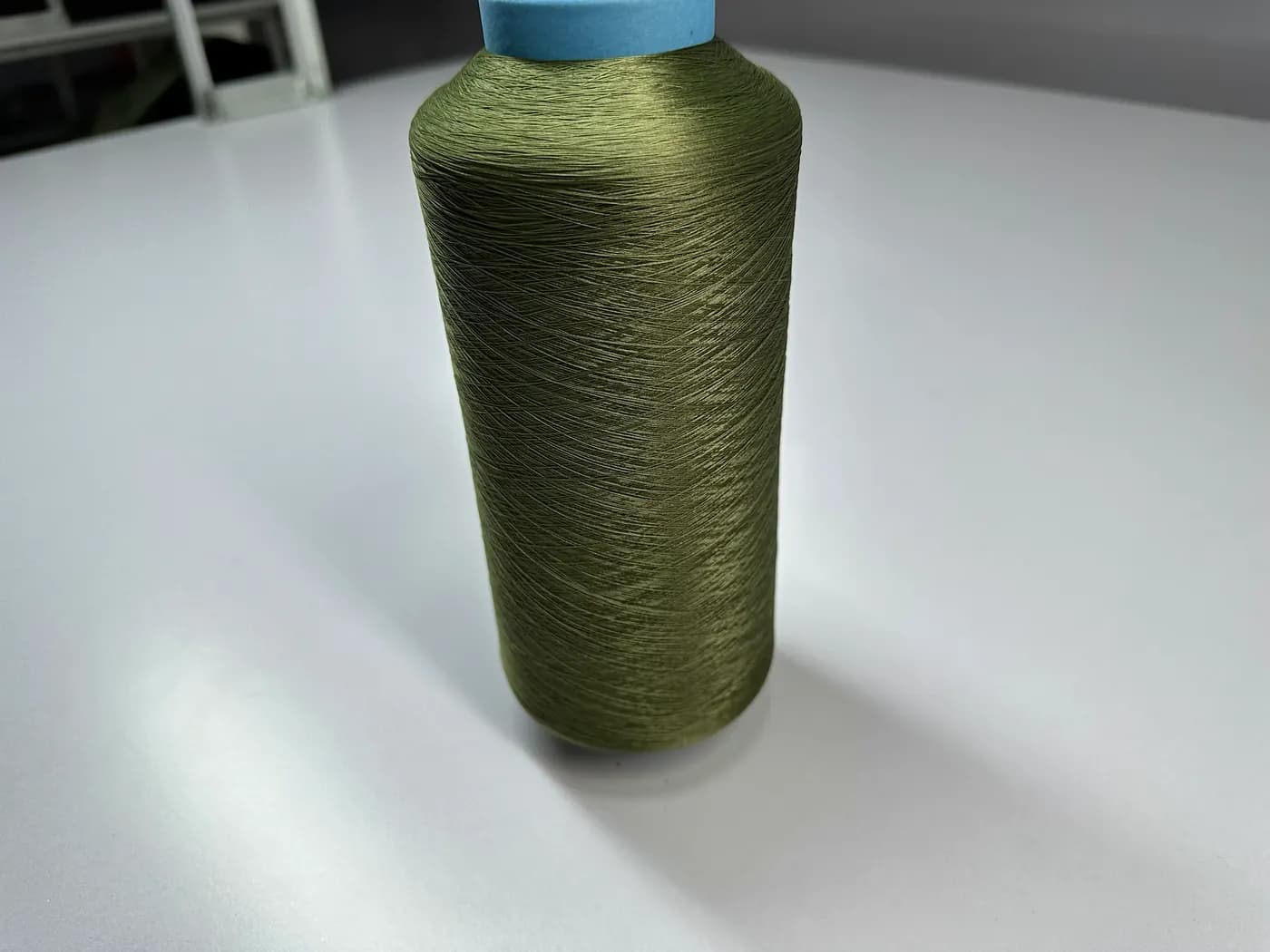
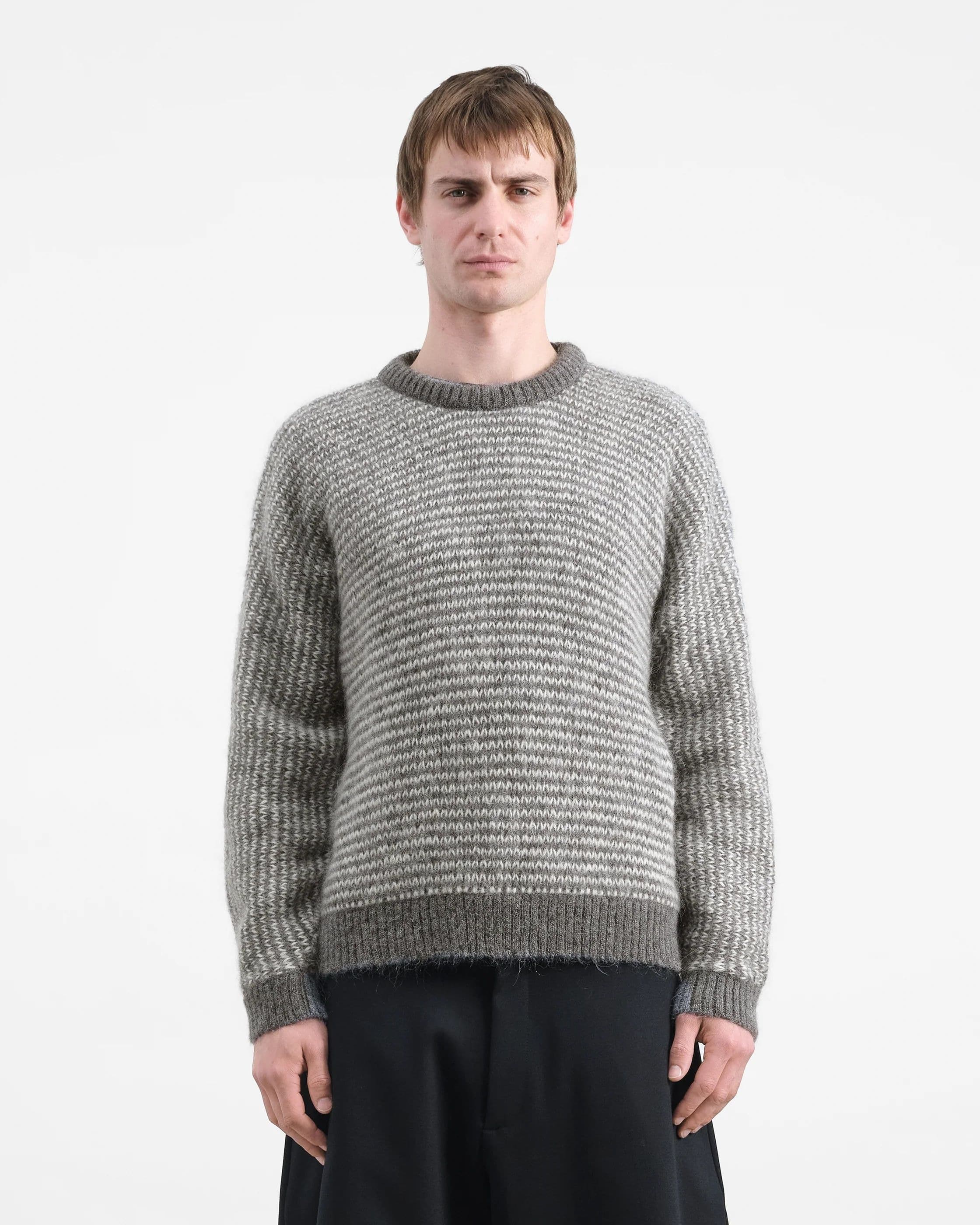
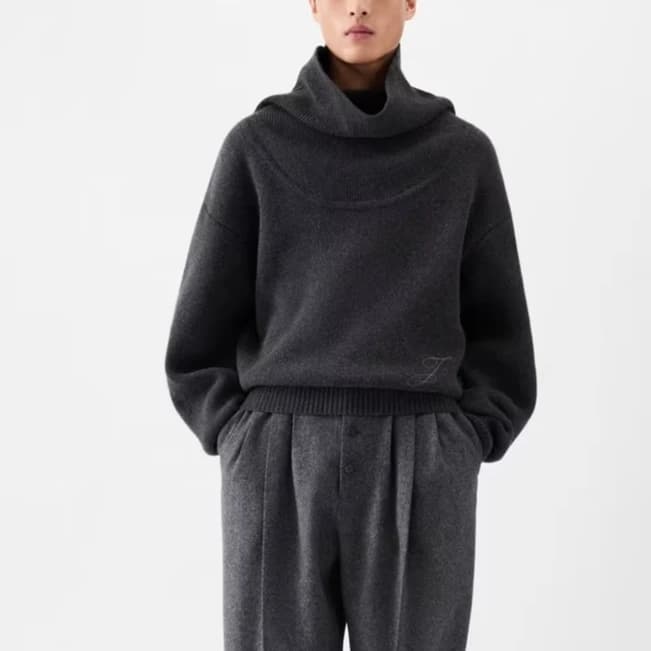
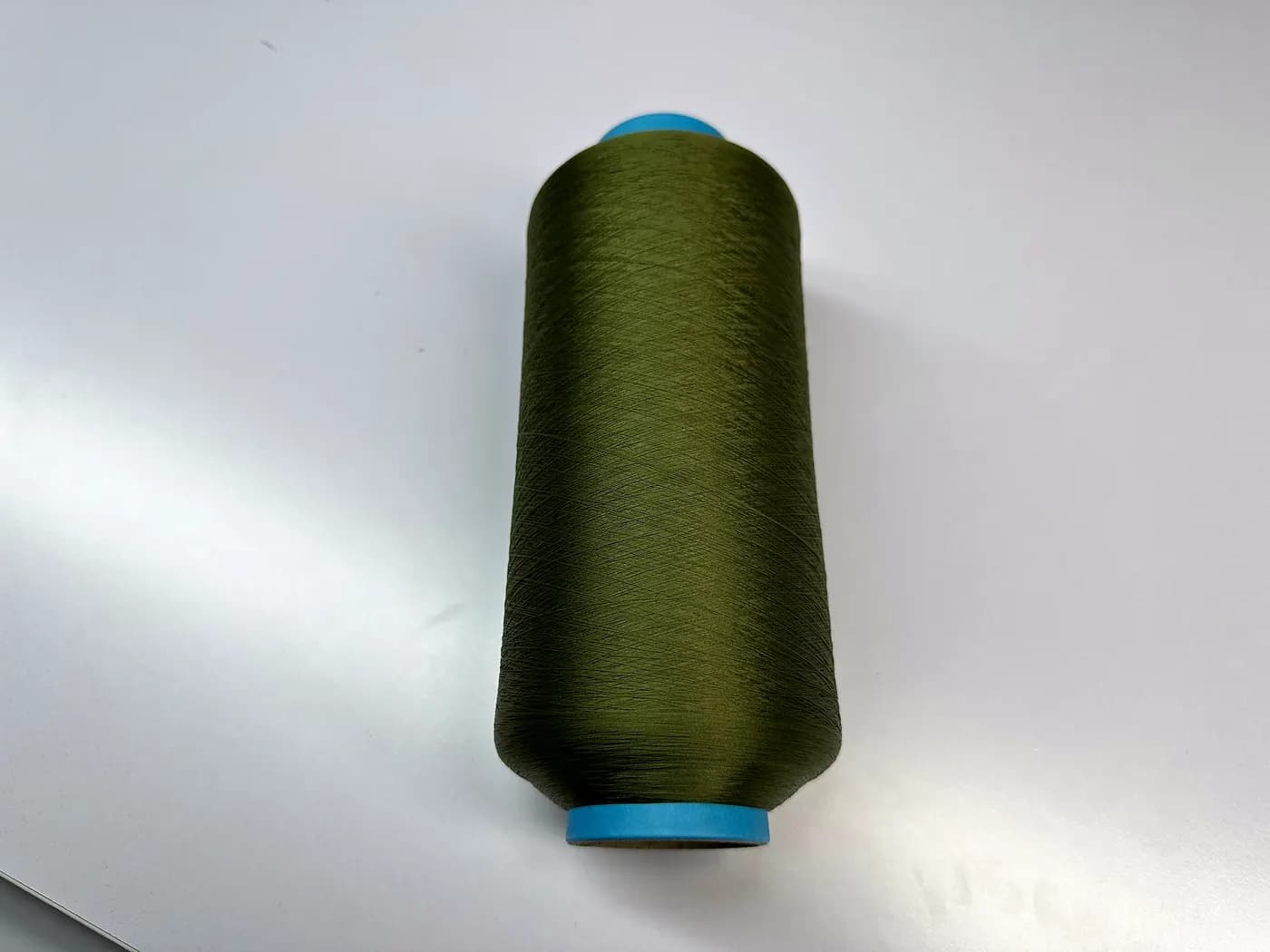
La lana es la fibra clásica de otoño/invierno: cálida, resistente y naturalmente elástica, por lo que mantiene la forma. Aporta una sensación premium y rinde bien temporada tras temporada. La lana merino añade suavidad y reduce el picor para un posicionamiento más premium, mientras que la lana de cordero (lambswool) ofrece abrigo a un precio más asequible. Las contrapartidas son un lavado más cuidadoso y un coste algo superior al del algodón básico. Consulta nuestra guía de selección de hilos para tener el panorama completo de fibras.
Mezclas: el término medio práctico
Muchos programas de éxito utilizan mezclas. El algodón-cachemir añade suavidad a una base transpirable; la lana-acrílico mejora la facilidad de cuidado y reduce el coste; el algodón-lana hace de puente entre temporadas. Las mezclas te permiten ajustar el tacto, el rendimiento y el precio en lugar de asumir las contrapartidas de una fibra pura. Si no consigues decidirte, una mezcla suele ser la respuesta comercialmente más inteligente.
Adapta la fibra a tu marca
Premium / heritage: lana o merino por su abrigo y retención de la forma
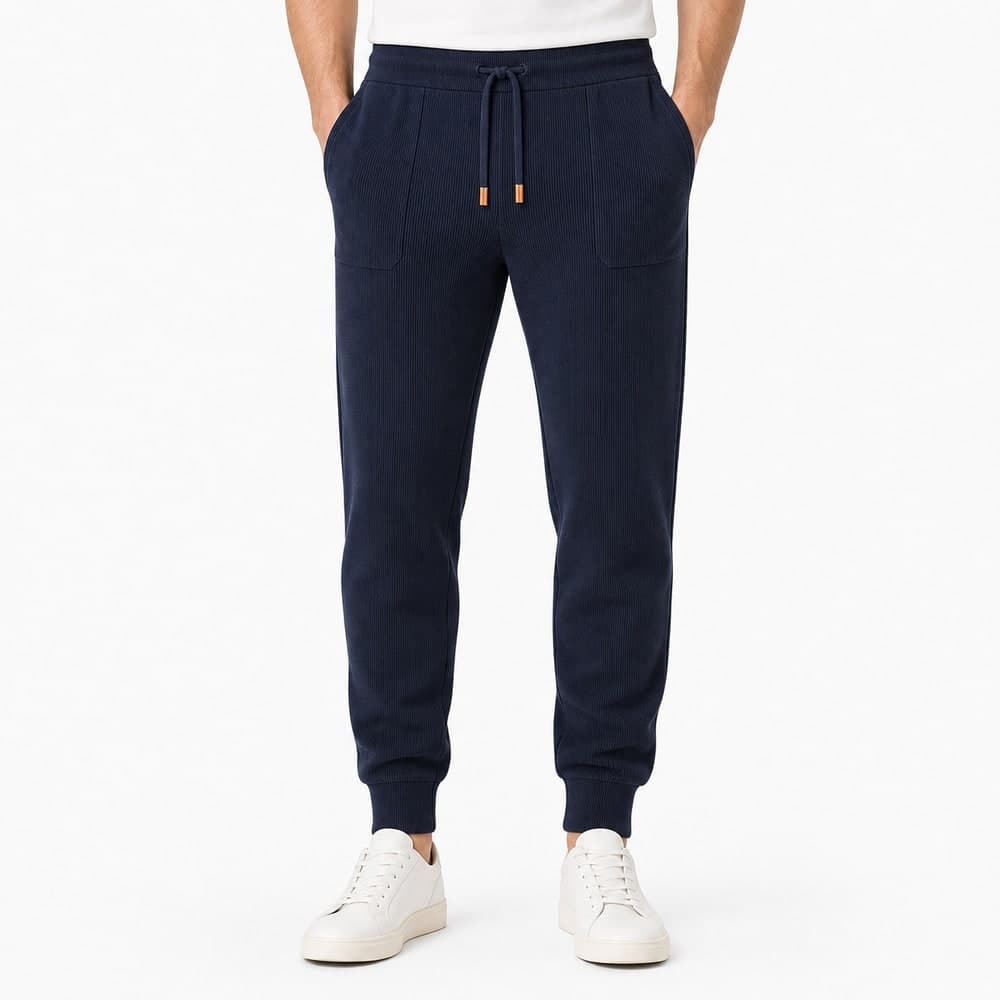
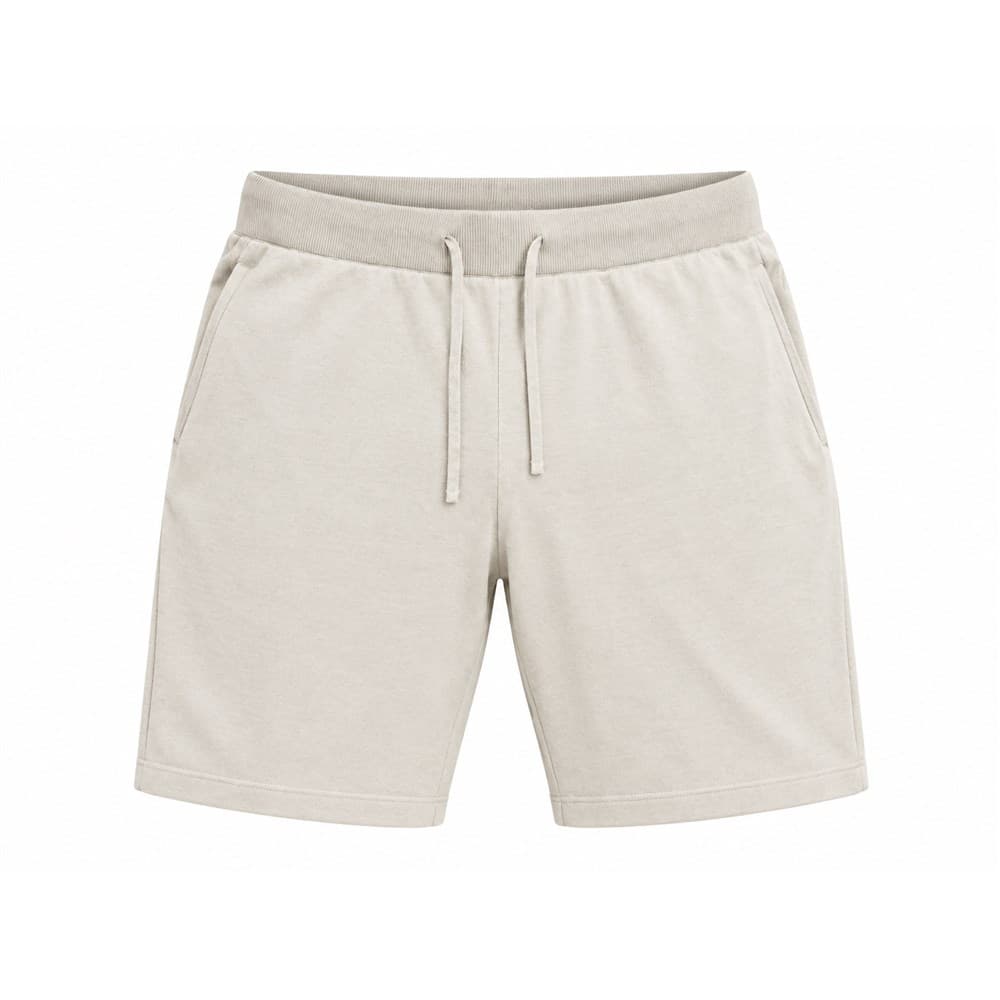
Casual / lifestyle: algodón o mezclas de algodón para un uso cómodo
Programas de valor: mezclas de algodón o de lana-acrílico por su precio y facilidad de cuidado
Colección para todo el año: ten ambas y divídelas por temporada
Implicaciones de coste y cuidado
La fibra es el principal factor que determina el coste unitario, de modo que tu elección repercute directamente en el precio. La lana suele costar más que el algodón básico, y las lanas premium como el merino aún más. El cuidado también importa: si tu cliente espera poder lavar a máquina, inclínate por el algodón o por una lana tratada o mezclada. Mira cómo influye la fibra en el precio en nuestra guía de factores de coste.
Galga y construcción según la fibra
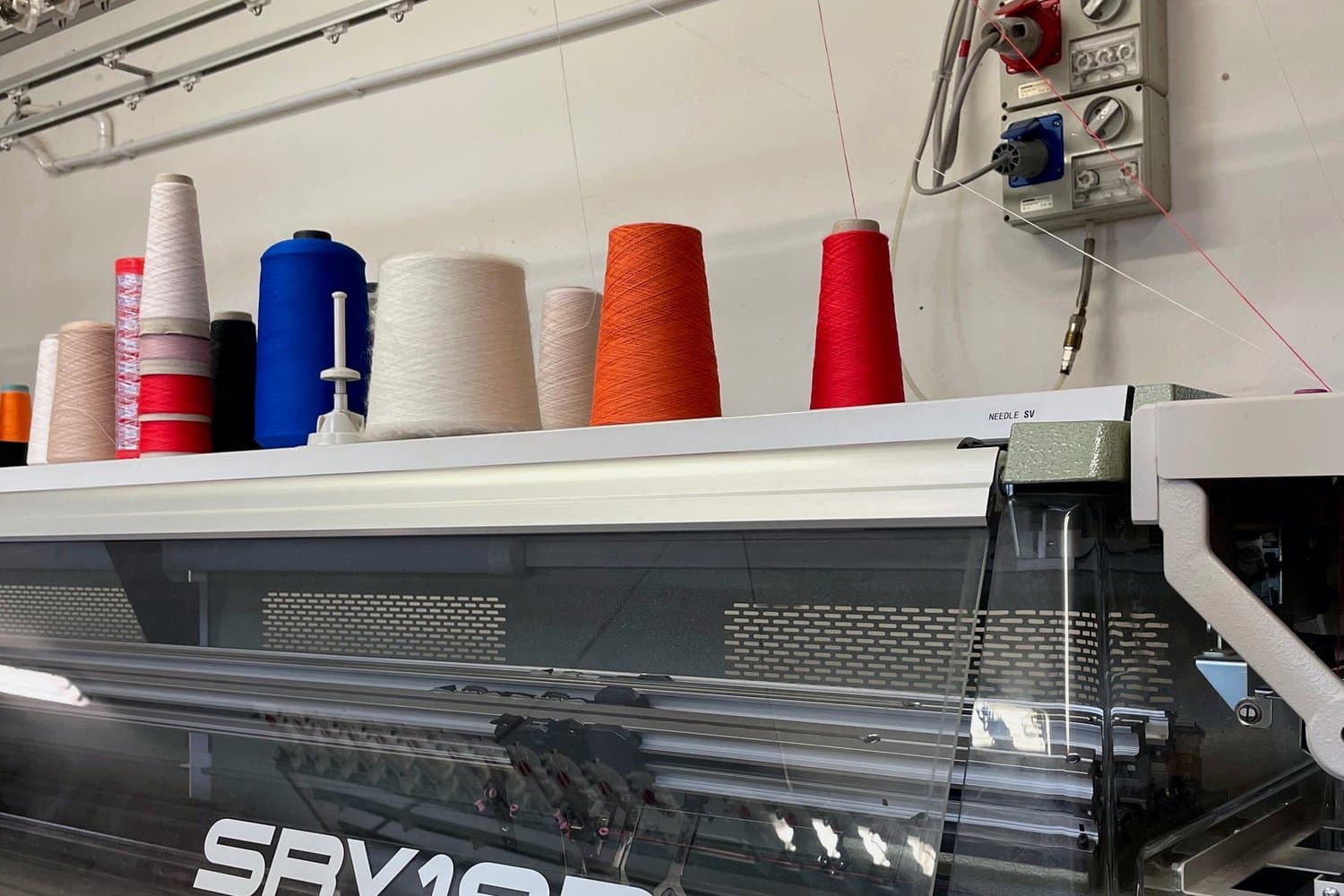
La elección de la fibra y la galga del punto trabajan juntas, y acertar con la combinación es tan importante como la fibra en sí. El carácter suave y poco elástico del algodón se adapta a galgas más finas y a una definición de puntada limpia, mientras que la elasticidad y el cuerpo de la lana brillan en construcciones más pesadas y cálidas. Úsalo como punto de partida cuando definas un programa:
Galga
Fibra adecuada habitual
Resultado
3GG–5GG
Lana gruesa, lana-acrílico
Prendas de invierno gruesas, gran textura
7GG
Lana, merino, algodón-lana
Jerséis de peso medio para el día a día
12GG
Algodón, merino, mezclas de algodón
Prendas suaves de entretiempo
14GG–18GG
Algodón fino, merino, mezclas de cachemir
Estilos ligeros y refinados de galga fina
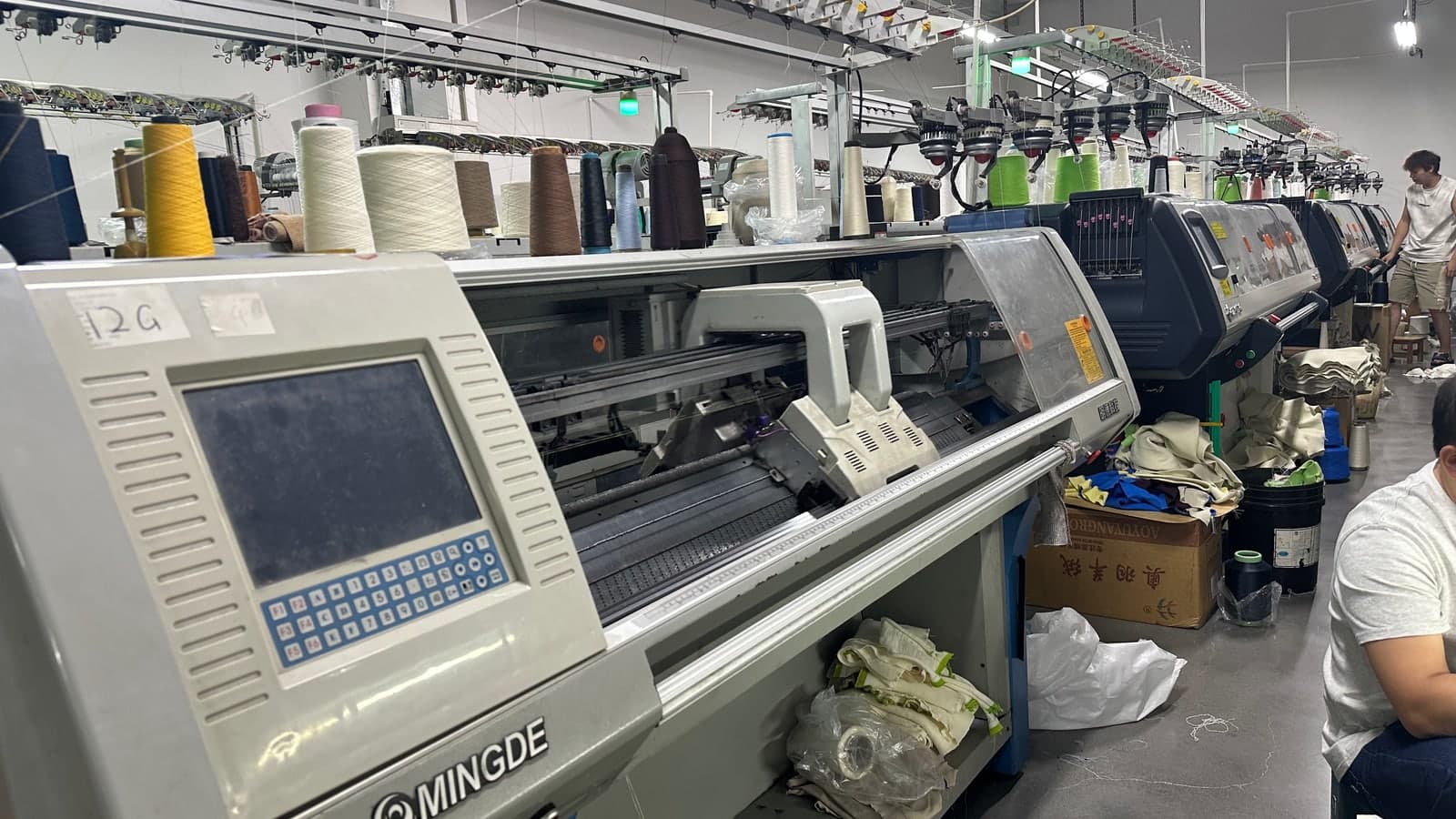
Tejemos en todo el rango de 3GG–18GG, de modo que un único proveedor puede cubrir tanto tus lanzamientos de invierno en lana gruesa como tus estilos de primavera en algodón de galga fina sin tener que dividir la producción.
Un ejemplo práctico: dividir una colección para todo el año
Supongamos que estás planificando una cápsula de 4 estilos repartida en dos temporadas. Una división práctica sería así:
2 estilos de primavera/verano en algodón o algodón-cachemir a 12GG: transpirables, aptos para lavadora, con colores vivos.
2 estilos de otoño/invierno en merino o lana-acrílico a 7GG: cálidos, que mantienen la forma, con lana tratada si tu cliente lava a máquina.
El muestreo lleva de 7 a 15 días por estilo; la producción en serie aprobada es de 30 a 45 días.
El MOQ es de 30 uds, así que puedes probar los cuatro estilos en una pequeña tirada antes de un pedido mayor.
Así, una sola colección cubre todo el calendario manteniendo cada fibra ajustada a su temporada.
Lista de comprobación de aprovisionamiento antes de confirmar
Confirma la temporada y la ventana de venta: por sí sola suele resolver la cuestión de algodón vs lana.
Decide la expectativa de cuidado de tu cliente (lavado a máquina vs lavado a mano) antes de fijar la fibra.
Solicita muestras tejidas (swatches) de las fibras y galgas preseleccionadas para valorar el tacto, no solo las fichas técnicas.
Para las declaraciones de sostenibilidad, especifica las fibras recicladas desde el principio: contamos con GRS (Global Recycled Standard) para contenido reciclado verificado.
Comprueba la cobertura de OEKO-TEX Standard 100 si tu mercado es sensible a la seguridad en el contacto con la piel.
Alinea la elección de la fibra con tu coste de destino objetivo para que el posicionamiento y el precio se mantengan coherentes.
Preguntas frecuentes
¿Merece la pena la lana merino frente a la lana corriente, pese a su mayor coste?
Para un posicionamiento premium, normalmente sí: el merino es más suave, mucho menos áspero al contacto con la piel y mantiene bien la forma, lo que justifica un precio de venta más alto. Para programas de valor, la lana de cordero (lambswool) o una mezcla de lana-acrílico ofrecen casi todo el abrigo a un coste más asequible.
¿Puedo conseguir jerséis de lana lavables a máquina?
Sí. La lana tratada y las mezclas de lana-acrílico son mucho más tolerantes en el lavado, así que si tu cliente espera un cuidado fácil no tienes por qué recurrir por defecto al algodón. Indica el requisito de cuidado desde el principio y te recomendaremos un hilo adecuado.
¿Ofrecéis opciones de fibra sostenible o reciclada?
Sí. Trabajamos con fibras recicladas y contamos con la certificación GRS (Global Recycled Standard) para contenido reciclado verificado, junto con OEKO-TEX Standard 100 para la seguridad en el contacto con la piel. El algodón reciclado y los hilos de mezcla reciclada pueden especificarse tanto en programas de algodón como de lana.
Licheng Knitwear desarrolla jerséis en algodón, lana, merino, mezclas y más, ayudando a las marcas B2B a adaptar la fibra a la temporada, el posicionamiento y el precio. Explora nuestros jerséis o solicita un presupuesto.
---
Habla con nuestro equipo sobre esto
Si estás planificando un proyecto real en torno a cualquiera de los puntos anteriores, estaremos encantados de echarle un vistazo rápido. Envíanos un breve resumen y te responderemos en un plazo de un día hábil con una orientación práctica, una estimación de MOQ y plazo de entrega, y un plan de muestras si tiene sentido.
Sí. Los hilos especiales, los colores personalizados y el abastecimiento limitado pueden afectar al desarrollo de muestras y al plazo de entrega de la producción en serie. Esto debe revisarse durante la RFQ.
Cotton (and cotton blends) for breathable spring-summer knits; wool and merino for warmth and year-round wear. Many brands run both by season.
It depends on grade - basic cotton is economical; merino and fine wool cost more than standard cotton but less than cashmere.
Yes - across 3GG-18GG gauges, in your colours and trims, from 30 pieces per colour.
Nos especializamos en suéteres de hombre, cárdigans, chaquetas de punto, prendas de punto jacquard y prendas de punto de marca privada. Apoyamos a compradores B2B con desarrollo OEM/ODM, desarrollo de muestras y planificación de producción en serie.
Los modelos de muestra disponibles y determinados programas personalizados permiten realizar pedidos de prueba de menor riesgo antes de los pedidos estacionales de mayor volumen.
Ready to Start Your Project?
Get a free catalog or submit an RFQ today. Our team will respond within 24 hours.
Gratis: Informe comparativo de sourcing de punto 2026
MOQ, plazos, rangos de coste, elección de galga y puntos de control de calidad en los programas OEM/ODM habituales para Norteamérica y Europa. Deje su correo y le enviamos el enlace en 30 segundos.
Sin spam. Cancele la suscripción con una sola respuesta. Usamos su correo únicamente para enviarle el informe y, si lo desea, continuar la conversación de sourcing.
Las marcas mostradas son socios OEM/ODM a los que hemos prestado servicio anteriormente. Los logotipos son decorativos y no implican ningún respaldo actual.