How to Start a Knitwear Brand: A 2026 Sourcing Playbook
Actualizado 19/9/202612 min readPor Simon Liu · Licheng Knitwear
A 6-step 2026 sourcing playbook for launching a knitwear brand — positioning, spec, finding a low-MOQ manufacturer, sampling, a validated first run, and scaling — with realistic MOQ, cost and timeline.
How to Start a Knitwear Brand: A 2026 Sourcing Playbook
Short answer: To start a knitwear brand in 2026, work through six steps: (1) define your product and positioning, (2) turn your idea into a sketch or tech pack, (3) find a manufacturer that accepts low MOQs (from ~30 pieces per colour), (4) develop and approve a sample, (5) place a small first production run to validate demand, and (6) reorder and scale the styles that sell. The biggest practical hurdles are minimum order quantities and lead time — both of which a small-brand-focused factory can keep manageable.
This playbook walks each step, with realistic numbers, so you can launch without over-committing cash.
Step 1 — Define your product and positioning
Decide what you're actually selling and to whom: men's, women's or kids'; the garment (sweater, cardigan, knit jacket, polo); the price tier; and the season. Positioning drives every later choice — a value acrylic crewneck and an accessible-luxury merino cardigan are very different briefs. Pick two or three hero styles to launch with, not twenty.
Step 2 — Turn the idea into a spec
You don't need a full tech pack to start. A reference photo plus basic specs (yarn, colour, gauge, fit, measurements) is enough for a factory to develop from. A tech pack improves accuracy and is worth building as you grow. Note your must-haves: yarn/fibre, colours (Pantone or "use your stock"), gauge, trims (buttons, zips, labels) and any branding.
Step 3 — Choose a manufacturer (the make-or-break step)
For a new brand, the right factory is one set up to work small. Look for:
A real low MOQ — from 30–100 pieces per colour, not 1,000+.
A stock-yarn programme — this is how low MOQs stay affordable (no custom dye-lot minimum).
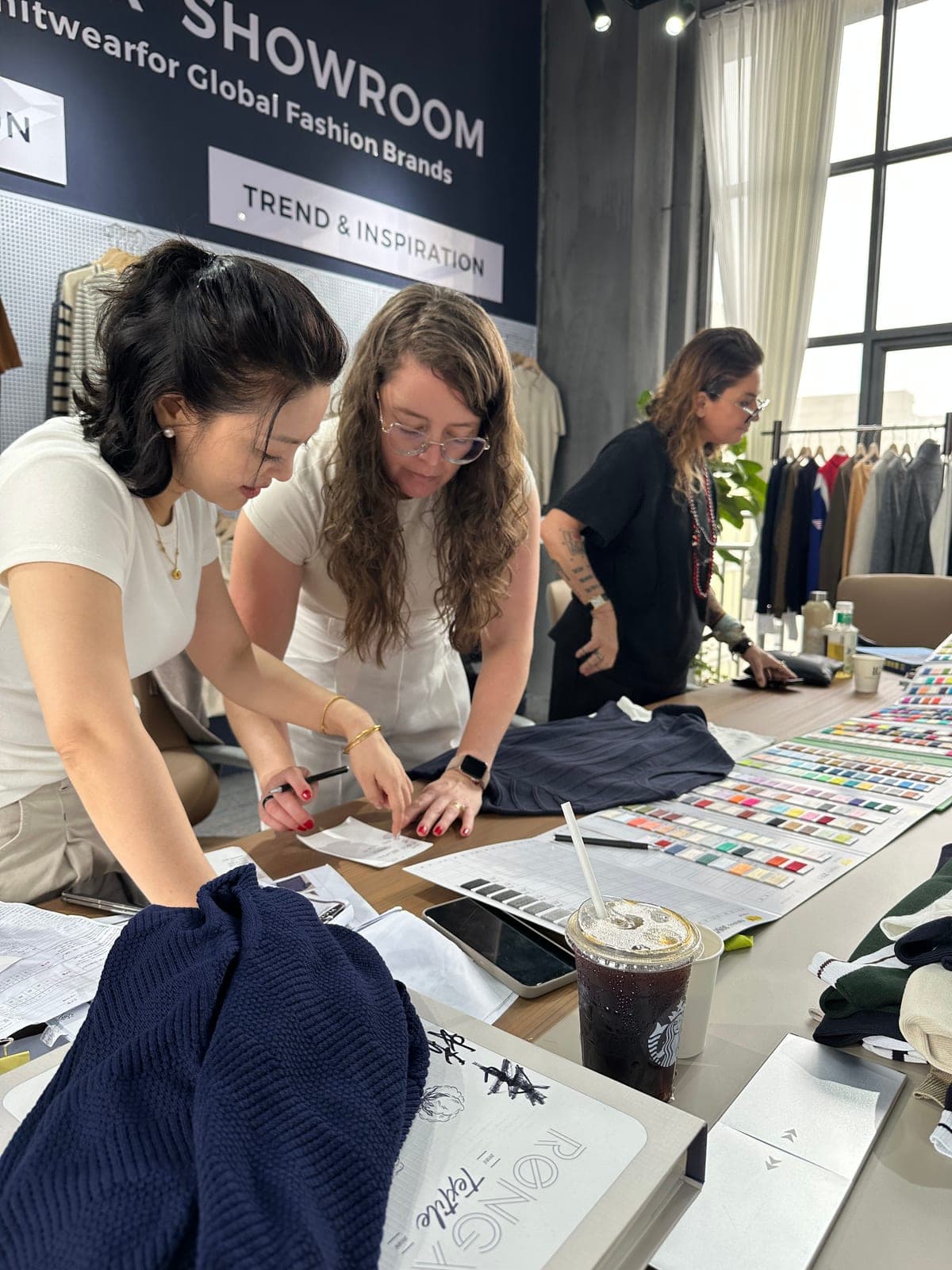
Fast, paid samples — typically 15–25 days.
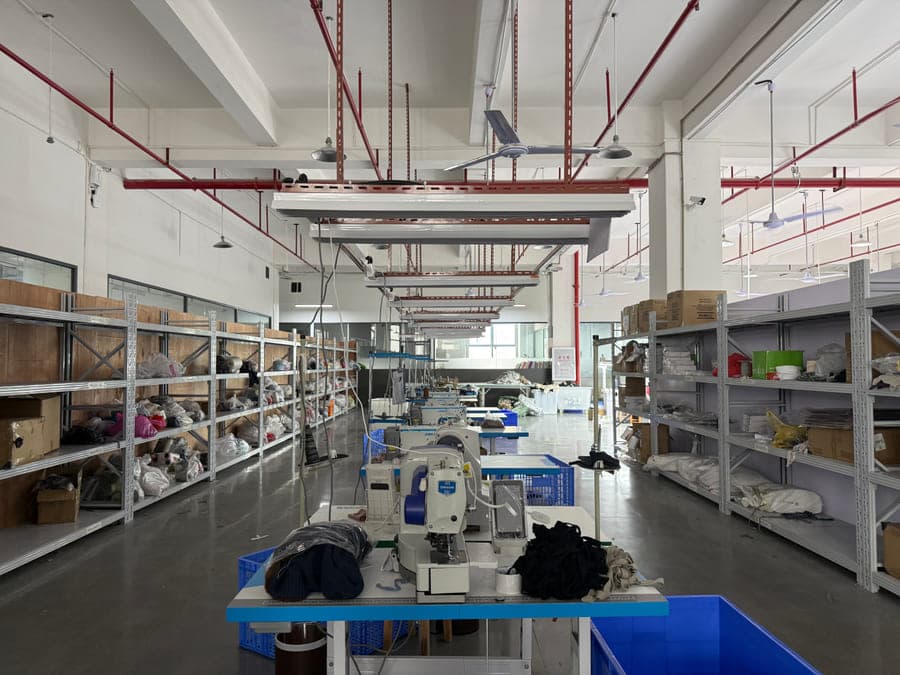
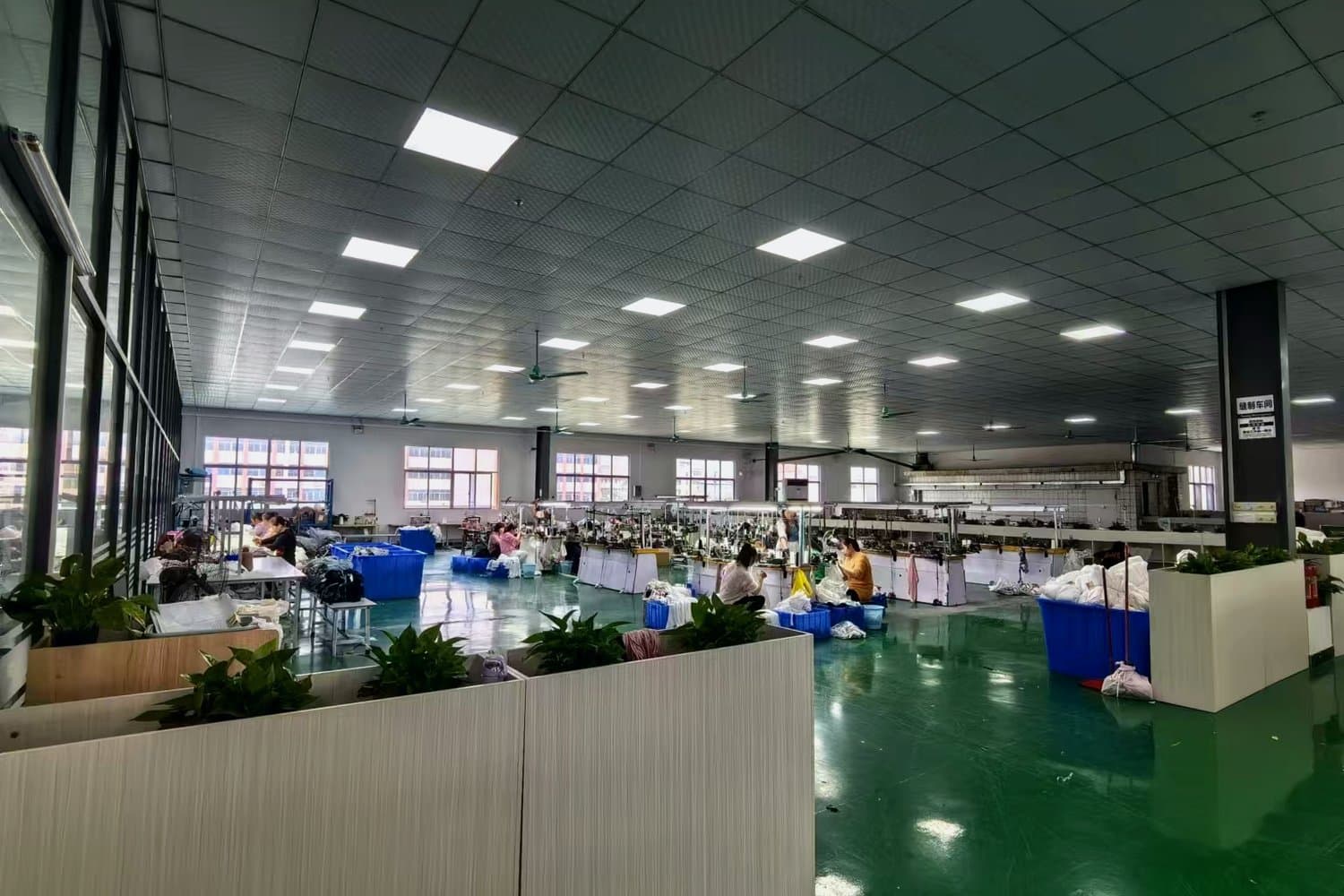
Verifiable credibility — certifications with scope (OEKO-TEX, ISO 9001, GRS), real production photos or video, and references.
Transparent, itemised quotes — yarn, knitting, linking, finishing, trims and packing as separate lines.
Always order a sample before bulk, and treat the first conversation as a test of responsiveness.
Step 4 — Develop and approve a sample
Send your spec, then review the proto for fit, hand-feel, colour and trims. Expect one or two revisions to get it right. For colour, request Pantone lab dips for sign-off before bulk dyeing (or design around stock colours to skip this). Approve the sample in writing before production.
Step 5 — Place a small, validated first run
Resist the urge to over-order. A first run of 30–100 pieces per colour lets you test demand with real customers before committing capital. Budget for the full cost: FOB unit price plus freight, duty and inland delivery (the landed cost), not just the factory price. A low-MOQ first order carries a modest per-unit premium — that's the cost of learning your sell-through rate.
Step 6 — Reorder and scale what sells
Once you know which styles and colours move, reorder them — usually faster than the first order (around 30 days) when the yarn and colour are already approved. Keep your best yarns in the factory's stock programme so reorders skip dyeing. Add new styles around proven winners rather than launching a huge range at once.
Realistic budget, MOQ and timeline
MOQ: from ~30 pieces per colour using in-stock yarns; custom dyeing or nominated hardware raises it.
Indicative cost: for custom sweaters, roughly US$10–45 FOB per piece depending on yarn (acrylic/cotton lower, cashmere blend higher) — plus freight and duty to reach landed cost.
Timeline: samples 15–25 days, bulk 30–45 days, sea freight 25–35 days. Plan 3–4 months from first sample to in-store.
Don't forget compliance and labels
If you sell into the EU or North America, build compliance in from the start: fibre-composition and care labelling (the EU is strict on this), child-safety rules for kids' lines, and packaging/chemical rules (GPSR, packaging EPR, REACH for the EU). A good factory applies compliant labels and uses tested materials.
Where Licheng Knitwear fits
We're set up for exactly this journey: custom OEM/ODM and private-label knitwear from 30 pieces per colour, stock-yarn programmes to keep MOQs low, samples in 15–25 days, and full North America / EU compliance. Bring a sketch or a reference and we'll develop your first styles. Request a quote to get started, or browse what you can customise.
Frequently asked questions
How do I start a knitwear brand with a small budget?
Launch with two or three hero styles, design around in-stock yarn colours to keep MOQ low (from ~30 pieces per colour), order a sample before bulk, and place a small first run to validate demand before scaling. This keeps upfront cash low.
What is the minimum order to start a knitwear line?
Specialist factories accept from around 30 pieces per colour using in-stock yarns. Most large factories want 300–1,000+, which is why choosing a small-brand-focused manufacturer matters.
Do I need a tech pack to start a knitwear brand?
No. A reference photo and basic specs (yarn, colour, gauge, fit) are enough to begin; a tech pack improves accuracy and is worth building as you grow.
How long does it take to launch a knitwear collection?
Plan about 3–4 months from first sample to in-store: 15–25 days for samples, 30–45 days for bulk, and 25–35 days sea freight to North America or Europe.
How much does it cost to produce custom sweaters for a new brand?
Indicatively US$10–45 FOB per piece depending on yarn — acrylic/cotton blends at the lower end, cashmere blends higher — plus freight and duty for the landed cost. A small first run costs a little more per piece but lowers your inventory risk.
Launch with two or three hero styles, design around in-stock yarn colours to keep MOQ low (from ~30 pieces per colour), order a sample before bulk, and place a small first run to validate demand before scaling.
Specialist factories accept from around 30 pieces per colour using in-stock yarns. Most large factories want 300-1,000+, which is why choosing a small-brand-focused manufacturer matters.
No. A reference photo and basic specs (yarn, colour, gauge, fit) are enough to begin; a tech pack improves accuracy and is worth building as you grow.
Plan about 3-4 months from first sample to in-store: 15-25 days for samples, 30-45 days for bulk, and 25-35 days sea freight to North America or Europe.
Nos especializamos en suéteres de hombre, cárdigans, chaquetas de punto, prendas de punto jacquard y prendas de punto de marca privada. Apoyamos a compradores B2B con desarrollo OEM/ODM, desarrollo de muestras y planificación de producción en serie.
Los modelos de muestra disponibles y determinados programas personalizados permiten realizar pedidos de prueba de menor riesgo antes de los pedidos estacionales de mayor volumen.
Ready to Start Your Project?
Get a free catalog or submit an RFQ today. Our team will respond within 24 hours.
Gratis: Informe comparativo de sourcing de punto 2026
MOQ, plazos, rangos de coste, elección de galga y puntos de control de calidad en los programas OEM/ODM habituales para Norteamérica y Europa. Deje su correo y le enviamos el enlace en 30 segundos.
Sin spam. Cancele la suscripción con una sola respuesta. Usamos su correo únicamente para enviarle el informe y, si lo desea, continuar la conversación de sourcing.
Las marcas mostradas son socios OEM/ODM a los que hemos prestado servicio anteriormente. Los logotipos son decorativos y no implican ningún respaldo actual.